

Emergency & Help
24/7 Emergency & General Advisory
🚨 24/7 Medical Emergency
Non-Emergency Advisory
10:00 AM – 6:00 PM, Mon–Sat
For appointments & general queries.
24/7 Emergency & General Advisory
🚨 24/7 Medical Emergency
Non-Emergency Advisory
10:00 AM – 6:00 PM, Mon–Sat
For appointments & general queries.
Stay updated with our latest healthcare news and your appointments.
Find top Howrah hospitals for C-section delivery. Expert care, modern facilities, and compassionate support for expecting mothers.
Deciding where to have your baby is a vital decision for any expectant parent. When a caesarean section (C-section) becomes necessary or is planned, selecting the right hospital in Howrah is crucial.
You'll want a facility that offers advanced medical care, experienced specialists, and a supportive environment for both mother and child. This guide aims to help you navigate your choices.
A caesarean delivery, commonly known as a C-section, is a surgical procedure used to deliver a baby through incisions in the mother's abdomen and uterus. It's often performed when a vaginal birth is not possible or poses risks to the mother or baby.
Indications can range from breech presentation (baby is bottom-first) to placental issues or fetal distress. While vaginal birth is generally preferred, a C-section is a safe and proven approach when medically indicated, as supported by global health organisations like the World Health Organization (WHO).
The expertise of the surgical team, the availability of advanced technology, and the quality of post-operative care are paramount. A reliable hospital ensures that the procedure is conducted with the utmost safety and precision. In Howrah, several institutions stand out for their obstetric and gynaecological services.
When evaluating hospitals for a C-section in Howrah, several factors are vital. We've outlined the most important ones:
Based on patient feedback, physician recommendations, and available facilities, certain hospitals in Howrah are frequently recommended for C-section deliveries. These institutions are known for their commitment to maternal and child health.
That's the part worth remembering.
While technically just across the Hooghly River, Amri Hospitals is a prominent choice for many in the greater Howrah region. It boasts state-of-the-art delivery suites and operation theatres. Their team of specialists provides comprehensive care, from prenatal to postnatal stages. You'll find that their focus is on patient safety and comfort.
This well-established hospital offers advanced obstetric care. It is equipped with modern facilities to handle various types of deliveries, including C-sections. The hospital’s commitment to providing quality healthcare makes it a reliable option. They have a dedicated team ready to assist during critical moments.
Howrah hosts numerous reputable private nursing homes and clinics that specialise in women's health and childbirth. Many of these smaller yet highly effective facilities offer personalised care.
What most people miss is that these places often provide a more intimate setting for delivery. It's advisable to research specific clinics based on doctor recommendations and patient reviews.
Many general hospitals in Howrah also provide excellent obstetric services. These facilities are often equipped to handle many kinds of medical situations. Their infrastructure typically includes well-equipped labour rooms and surgical theatres necessary for C-sections.
Undergoing a C-section can feel daunting, but understanding the process can ease anxiety. Typically, you'll be admitted to the hospital a day before the scheduled surgery or on the day itself. After preparation, including an IV line and anaesthesia (usually spinal or epidural), the surgical team will perform the procedure. The operation usually takes about 45-60 minutes.
That's the part worth remembering.
Honestly, the recovery period is the most critical phase. You'll spend a few days in the hospital, during which nurses will assist with pain management and mobility. What should you actually do? Follow their guidance diligently for a smoother recovery.
proven pain management is vital for recovery. Hospitals will administer pain relief medication as prescribed by your physician.
Early mobilisation, even short walks with assistance, is encouraged by specialists to prevent complications like blood clots and to aid in regaining strength. Living with this is genuinely hard, but the support systems in place are designed to aid you through it.
The well-being of your newborn is a top priority. Hospitals equipped for C-sections have specialised neonatal care units (NICUs) ready to provide immediate attention if the baby needs it.
This includes monitoring vital signs and providing respiratory support if necessary. This ensures that even premature or at-risk infants receive the best possible start.
Preparation begins during pregnancy. Regular check-ups with your obstetrician are key. Discuss your birth plan and any concerns you have about the C-section.
Your doctor will provide specific instructions regarding diet, medications, and pre-operative care. In real-world terms, this preparation is like getting your vehicle serviced before a long journey – it ensures everything runs smoothly.
While not always planned, C-sections are performed for crucial medical reasons. Sometimes, the baby's position, such as a breech or transverse lie, makes vaginal delivery unsafe. Other times, issues with the placenta, like placenta previa (placenta covering the cervix) or placental abruption (placenta detaching early), necessitate surgical intervention.
Most people overlook this completely.
Fetal distress, where the baby isn't getting enough oxygen, is another critical indicator. What most people miss: sometimes, a previous C-section might influence the decision for subsequent deliveries. The WHO and ICMR (Indian Council of Medical Research) provide guidelines on when such interventions are most beneficial.
A successful C-section relies heavily on a multidisciplinary team. Your primary care provider, the obstetrician, guides the pregnancy and performs the surgery. The anaesthesiologist ensures pain control and monitors vital signs during the procedure. Neonatologists are crucial for assessing and managing the newborn's health immediately after birth.
Experienced nurses provide invaluable support throughout the process. Is there a better way? This collaborative approach ensures the highest standard of care.
Recovery from a C-section takes time. While the surgical wound heals, you may experience some pain and discomfort. Gentle movement, proper hydration, and a nutritious diet are essential to boost healing.
Your doctor will advise on lifting restrictions and resuming normal activities. We often see patients eager to return to their routine, but patience is key. The focus should be on gradual strengthening.
Recovery is rarely linear.
Beyond the hospital, the relationship with your obstetrician is paramount. A good doctor will listen to your concerns, explain all options clearly, and build trust. Many physicians in Howrah have extensive experience in performing C-sections and managing obstetric emergencies.
Ask for recommendations from friends, family, or your general physician. Your comfort and confidence in your doctor significantly impact your birthing experience.
Selecting a caesarean delivery hospital in Howrah involves careful consideration of medical expertise, facility infrastructure, and supportive care. By evaluating these factors and consulting with trusted medical professionals, you can find a hospital that ensures a safe and positive experience for you and your baby.
Remember, your health and your baby's well-being are the ultimate priorities.
Always consult a qualified physician before making medical decisions.
Yes, it is often possible to have a vaginal birth after a previous C-section, a process known as Vaginal Birth After Cesarean (VBAC). However, this depends on various factors, including the type of C-section incision and your current pregnancy. Your doctor will assess your suitability.
Most women require about 6 weeks for initial recovery, but full recovery can take longer. During this period, you will experience pain and limitations in physical activity. Adhering to your doctor's advice is crucial for a safe and proven healing process.
Here's where it gets interesting.
Like any major surgery, a C-section carries risks such as infection, bleeding, blood clots, and potential injury to nearby organs. There are also risks for the baby, including temporary breathing problems. However, these risks are managed diligently by experienced medical teams.
While elective C-sections are sometimes performed, medical guidelines from organisations like the WHO generally recommend them only when medically necessary. The decision should always be made in consultation with your doctor, weighing the benefits against potential risks for both mother and child.
Visit Hospital
Near You
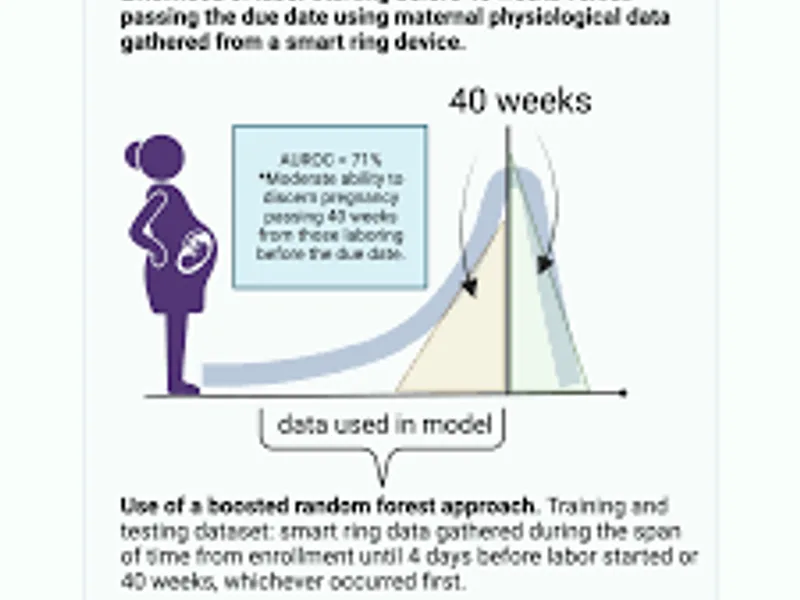
Going past your due date can feel like being stuck in a waiting room with no clock. This guide walks you through what actually happens during monitoring after due date pregnancy — the tests, the decisions, and the emotions nobody really prepares you for.
May 20, 2026
Going past your due date can feel like being stuck in a waiting room with no clock. This guide walks you through what actually happens during monitoring after due date pregnancy — the tests, the decisions, and the emotions nobody really prepares you for.
May 20, 2026
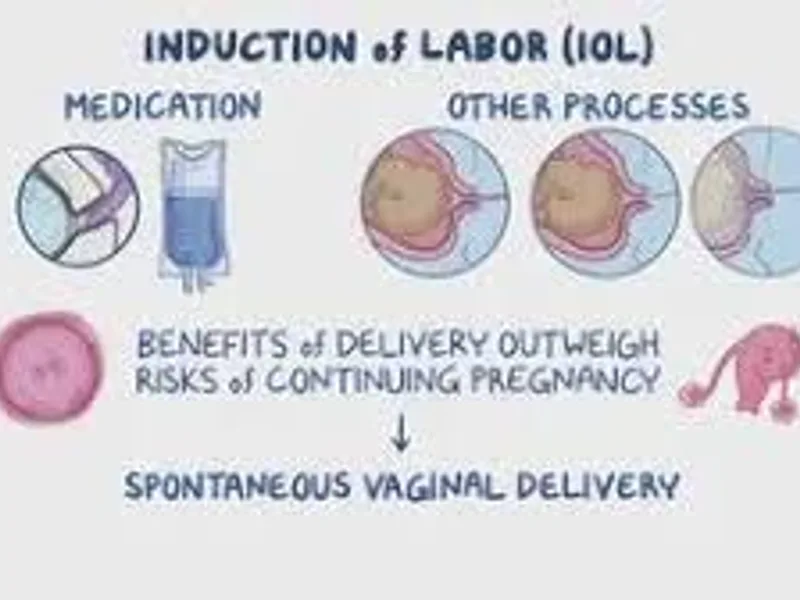
If you’re close to your due date and feeling stuck in waiting mode, this breaks down induction of labor methods in a way that actually makes sense. No jargon, no fluff—just what works, what doesn’t, and what it really feels like from a human perspective.
May 20, 2026