

Emergency & Help
24/7 Emergency & General Advisory
🚨 24/7 Medical Emergency
Non-Emergency Advisory
10:00 AM – 6:00 PM, Mon–Sat
For appointments & general queries.
24/7 Emergency & General Advisory
🚨 24/7 Medical Emergency
Non-Emergency Advisory
10:00 AM – 6:00 PM, Mon–Sat
For appointments & general queries.
Find top-rated C-section delivery hospitals in Saraikela Kharsawan. Compare facilities, expertise, and patient reviews for safe childbirth.
The choice of where to deliver a baby represents a significant decision. For many expectant mothers in Saraikela Kharsawan, this involves planning for a caesarean delivery, commonly known as a C-section.
Expectant parents require a facility that offers not just surgical expertise but also compassionate care throughout pregnancy and the postpartum journey. Understanding the anxieties and questions that arise when considering such a major procedure, this guide aims to equip individuals with the knowledge to select the most suitable facility for their caesarean delivery requirements in the region.
A caesarean section involves a surgical procedure to deliver a baby through incisions in the mother's abdomen and uterus. While a vaginal birth is frequently preferred, a caesarean becomes essential when it presents the safest alternative for the mother or the baby.
Such reasons may include fetal distress, breech presentation, placental issues, or previous caesarean deliveries. 5% (National Family Health Survey-5, 2019-21), highlighting its rising prevalence.
Several critical reasons prompt physicians to recommend a caesarean delivery. Such scenarios encompass instances where the infant is not positioned head-down (breech or transverse lie), or if labor is not progressing adequately. Crucial indicators also include placenta praevia (where the placenta covers the cervix) and placental abruption (where the placenta separates from the uterine wall prematurely).
That alone changes everything.
Additionally, if the infant displays signs of distress (like a slowed heart rate), an urgent caesarean might be performed. Occasionally, a maternal health condition, such as severe hypertension (high blood pressure), necessitates this approach. Worth keeping in mind: these decisions consistently prioritize the well-being of both mother and child.
before the surgical procedure, an anaesthetic is administered, usually an epidural or spinal block, which numbs the lower half of the body. Typically, a urinary catheter is inserted. The surgeon then creates a horizontal incision—known as a 'bikini cut'—above the pubic bone, although a vertical incision may be needed in emergencies. After delivery of the infant, the umbilical cord is severed.
then, the uterus and abdominal incisions are closed with dissolvable stitches or staples. This entire operation generally spans approximately 45 to 60 minutes. The clinical team operates with efficiency to ensure patient safety.
Choosing the appropriate healthcare facility requires evaluating several vital aspects. Individuals seek a location that combines advanced clinical infrastructure with a supportive environment. Often overlooked is the significance of the entire care team – not just the surgeon, but the anaesthetists, paediatricians, and nursing staff.
This is where most patients struggle.
It is important to ensure the chosen facility employs experienced obstetricians and gynaecologists who regularly perform caesarean deliveries. Verification of board-certified anaesthetists and neonatologists (paediatricians specializing in newborns) is also advised.
On top of that,, a well-staffed neonatal intensive care unit (NICU) holds meaningful importance, especially if there's a risk of premature birth or complications. Guidelines from the World Health Organization (WHO) stress the necessity of skilled birth attendants and suitable provisions for managing obstetric emergencies.
The chosen facility should feature modern operation theatres, advanced monitoring systems, and readily available blood transfusion services. Stringent sterilization protocols are essential to prevent infections.
For immediate newborn care, a well-equipped NICU with incubators and ventilators is vital. Facilities accredited by national bodies typically uphold elevated standards of safety and equipment.
Consideration of this aspect is crucial. Should an infant require special attention post-birth, a dedicated NICU can provide substantial support.
The presence of a Level II or Level III NICU on-site ensures immediate care for the baby without the need for transfer, which is vital in critical situations. 5 million premature births annually in India (WHO estimates), robust neonatal care is indispensable.
That alone changes everything.
Post-caesarean healing demands attentive care. The facility should offer comfortable post-operative rooms, pain management support, and assistance with breastfeeding.
Nurses require training to assist with mobility and wound care. Individuals should inquire about postpartum support services, including lactation consultants and follow-up appointments.
Seek facilities with positive patient testimonials, particularly regarding their maternity and surgical services. Insights into patient satisfaction and care quality can be gained from online reviews, word-of-mouth referrals, and facility accreditation.
A facility's standing within the community frequently serves as a reliable indicator of its dependability.
While specific facility rankings can fluctuate, several institutions in and around Saraikela Kharsawan are recognized for their obstetrics and gynaecology departments. It is always advisable to visit potential facilities, speak with the staff, and tour the maternity wards. Here are some types of institutions one might consider:
Larger multi-specialty facilities frequently possess comprehensive amenities, including dedicated maternity wings, advanced surgical suites, and robust neonatal care units. These institutions are generally well-equipped to manage a broad spectrum of obstetric emergencies.
Collaboration with various specialists is common in these institutions, ensuring holistic care.
Certain smaller facilities focus exclusively on women's health and childbirth. Though they might provide a more personalized experience, verifying their capacity to manage complex caesarean cases and potential complications is crucial. Their strength often lies in focused, specialized attention.
Recovery is rarely linear.
Public facilities, such as those operated by the Jharkhand government, can offer essential caesarean delivery services, often at a lower cost. While resources might be more constrained compared to private institutions, many public facilities employ skilled healthcare professionals and adhere to national healthcare standards.
They play a crucial role in ensuring accessible healthcare for all.
After selecting a healthcare facility, thorough preparation becomes paramount. Individuals should discuss their birth plan with their doctor, even when a caesarean delivery is anticipated.
Understanding the facility's policies concerning caesarean deliveries, including pre-operative instructions and visiting hours for a support person, is key. While anticipating childbirth, particularly a surgical delivery, can be challenging, meticulous preparation can alleviate anxieties.
people will likely be instructed to fast for several hours before the surgery to reduce the chance of aspiration. The physician will provide guidance on medications to stop or continue. Strict adherence to these instructions is vital for patient safety.
Individuals should pack comfortable, loose-fitting clothing, maternity sanitary pads, nursing bras, and toiletries. Include items for the baby, such as diapers and newborn clothes.
A phone charger and entertainment (like books) can also be helpful during the stay. Essential documents, such as patient records and identification, should not be forgotten.
The presence of a trusted support person—a partner, family member, or friend—can offer immense reassurance. This individual can provide assistance during the patient's stay and offer emotional support. Their presence significantly aids the post-operative period.
Here's where it gets interesting.
Healing after a caesarean delivery generally extends beyond that of a vaginal birth. Some pain and discomfort at the incision site are to be expected. The facility staff will assist with pain management and monitor healing. Early mobilization, as advised by the doctor, is crucial for preventing blood clots and facilitating healing.
Effective pain relief is essential for comfort and the ability to care for a newborn. This may include oral pain medications and, in some cases, continued epidural or spinal anaesthesia for a short period. A frequent oversight is that consistent pain management enables improved mobility and bonding.
Maintaining a clean and dry incision site is vital to prevent infection. The physician will offer specific instructions on showering and dressing changes. Watch for signs of infection, such as increased redness, swelling, or discharge, and report them immediately.
While some discomfort is anticipated during healing, certain signs necessitate immediate clinical attention. These include heavy vaginal bleeding, severe abdominal pain, fever, or signs of infection at the incision site. Individuals should contact their physician or return to the facility if any of these concerning indicators are experienced.
This is where most those affected struggle.
Selecting a facility for caesarean delivery in Saraikela Kharsawan is a decision that deserves careful consideration. By prioritizing clinical expertise, facility infrastructure, neonatal care, and postoperative support, individuals can find a reliable healthcare provider. those affected frequently report increased confidence when they are well-informed and have actively participated in selecting their care setting.
The health and well-being of both parent and infant remain paramount. This journey is a testament to life's miracles, and support is available every step of the way.
Always consult a qualified physician before making medical decisions.
While a preference for a caesarean delivery can be expressed, the decision ultimately rests on clinical necessity and the doctor's recommendation. Elective caesareans are considered when risks of vaginal birth outweigh those of surgery for both mother and baby, following established clinical guidelines.
While most individuals can resume light activities within 1-2 weeks, complete healing may require 6-8 weeks. Pain management and adherence to physician's instructions for wound care and activity levels are crucial for a smooth healing process.
Similar to any surgical procedure, caesarean deliveries entail risks such as infection, blood loss, blood clots, and potential injury to nearby organs. There are also risks for the baby, including temporary breathing problems. The doctor will discuss these potential risks thoroughly with the patient.
That alone changes everything.
Breastfeeding can typically begin within a few hours following a caesarean delivery, often in the post-operative room. Early skin-to-skin contact and initiation of breastfeeding are encouraged to enable establish milk supply and bond with the baby.
Visit Hospital
Near You
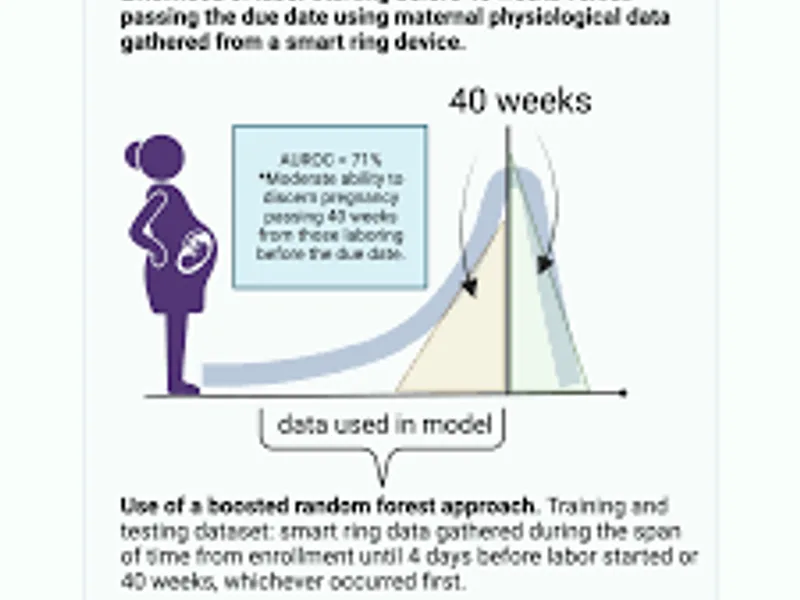
Going past your due date can feel like being stuck in a waiting room with no clock. This guide walks you through what actually happens during monitoring after due date pregnancy — the tests, the decisions, and the emotions nobody really prepares you for.
May 20, 2026
Going past your due date can feel like being stuck in a waiting room with no clock. This guide walks you through what actually happens during monitoring after due date pregnancy — the tests, the decisions, and the emotions nobody really prepares you for.
May 20, 2026
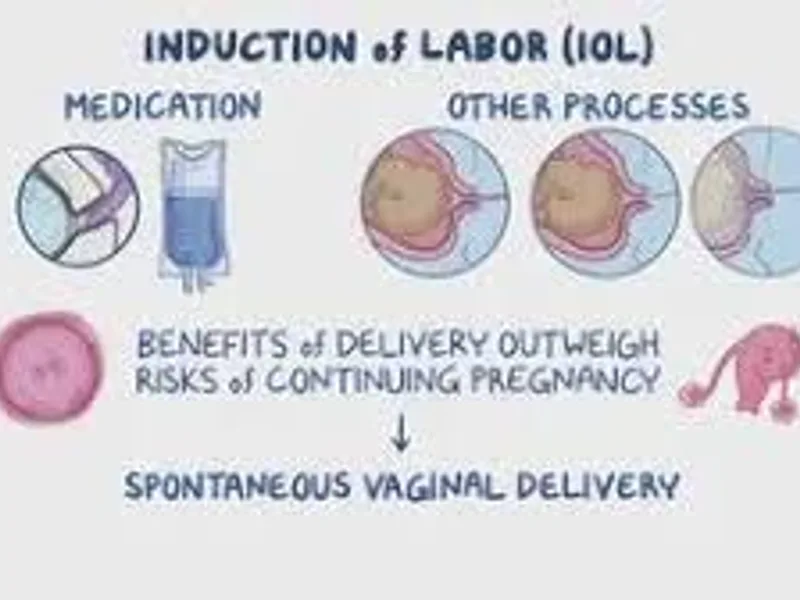
If you’re close to your due date and feeling stuck in waiting mode, this breaks down induction of labor methods in a way that actually makes sense. No jargon, no fluff—just what works, what doesn’t, and what it really feels like from a human perspective.
May 20, 2026