

Emergency & Help
24/7 Emergency & General Advisory
🚨 24/7 Medical Emergency
Non-Emergency Advisory
10:00 AM – 6:00 PM, Mon–Sat
For appointments & general queries.
24/7 Emergency & General Advisory
🚨 24/7 Medical Emergency
Non-Emergency Advisory
10:00 AM – 6:00 PM, Mon–Sat
For appointments & general queries.
Learn about extending your maternity leave beyond the standard 26 weeks in India. Explore company policies, unpaid leave, and flexible work arrangements for new mothers.

Becoming a parent is a joyous occasion, a time filled with love, wonder, and a whole lot of adjustment. In India, the arrival of a new baby is a significant event, celebrated by families and communities. However, for many new mothers, the joy can be overshadowed by the looming return to work. While the thought of spending those precious early weeks and months with your child is a beautiful one, the reality of job security and financial stability often brings anxiety. This is where understanding your rights and exploring options for extending postpartum leave becomes incredibly important.
India has made significant strides in supporting new mothers with the Maternity Benefit (Amendment) Act, 2017. This act is a cornerstone of maternal support, providing working women with crucial time off to care for their newborns. Let's break down what it offers:
While these provisions are excellent, many new mothers find that 26 weeks, though substantial, might not feel like enough. The early days with a newborn are a period of intense bonding, recovery, and learning. Factors like a complicated birth, a premature baby, or simply the desire to be more involved in your child's foundational development can make you wish for more time.
It's common to hear about the Family and Medical Leave Act (FMLA) in Western contexts. However, FMLA is a U.S. law and does not apply in India. It's important to understand that our Indian maternity benefit laws are designed to address the needs of Indian working women. The core principle remains the same: providing essential support during a critical life event. The challenge, as many new mothers discover, is that even the generous provisions might not perfectly align with every individual's circumstances or desires for extended leave.
Consider the situation of Priya, a software engineer in Bangalore. She welcomed her first child, a healthy baby boy, but experienced a difficult delivery requiring a longer recovery period. Her company offered the standard 26 weeks, but Priya felt she needed at least another month to regain her strength and establish a consistent breastfeeding routine before returning to her demanding job. She worried about her job security if she asked for more time.
Priya's situation is not uncommon. Fortunately, there are several avenues you can explore to potentially extend your postpartum leave beyond the statutory period. It often requires proactive communication and understanding your employer's policies.
The first and most critical step is to have an honest conversation with your HR department and your manager. Many employers in India are increasingly understanding of the challenges new parents face. They may have internal policies that allow for more flexibility than the minimum legal requirements.
Beyond maternity leave, other types of leave might be available:
In certain circumstances, particularly if you experience complications during pregnancy or childbirth that require a longer recovery, you might qualify for short-term disability benefits. This is less common for standard postpartum recovery in India compared to some other countries, but it's worth inquiring about with your employer and potentially a medical professional if your recovery is significantly prolonged or complicated.
A full-time return might feel overwhelming. Discussing a gradual return can ease the transition:
Your health and recovery are paramount. If you feel you need more time due to physical or mental health reasons, it's essential to consult your doctor. They can provide medical documentation to support your need for extended leave, which can be invaluable when discussing options with your employer.
Whether you take the standard leave or an extended period, preparing for your return can make the transition smoother:
Navigating the return to work after having a baby can be challenging, but with careful planning, open communication, and an understanding of the available options, you can find a path that supports both your career and your growing family. Remember, prioritizing your well-being and your baby's needs is key during this transformative time.
The Maternity Benefit (Amendment) Act, 2017 mandates 26 weeks. However, many companies offer additional unpaid leave or allow you to combine it with accrued PTO. Open communication with your employer is key to exploring these possibilities.
The 2017 amendment applies to establishments with 10 or more employees. If your company is smaller, the provisions might differ. It's best to check your employment contract and company HR policies, as some smaller businesses may still offer similar benefits voluntarily.
Taking approved extended leave, especially if it's part of company policy or an agreed-upon arrangement, should not typically affect your job security. However, it's crucial to clarify this with your HR department beforehand, particularly if you are taking unpaid leave or leave beyond standard company offerings.
Visit Hospital
Near You
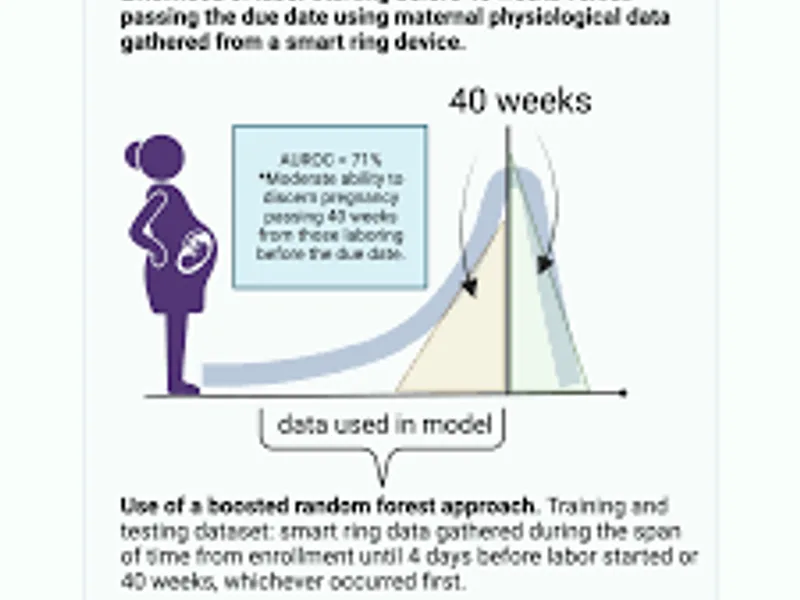
Going past your due date can feel like being stuck in a waiting room with no clock. This guide walks you through what actually happens during monitoring after due date pregnancy — the tests, the decisions, and the emotions nobody really prepares you for.
May 20, 2026
Going past your due date can feel like being stuck in a waiting room with no clock. This guide walks you through what actually happens during monitoring after due date pregnancy — the tests, the decisions, and the emotions nobody really prepares you for.
May 20, 2026
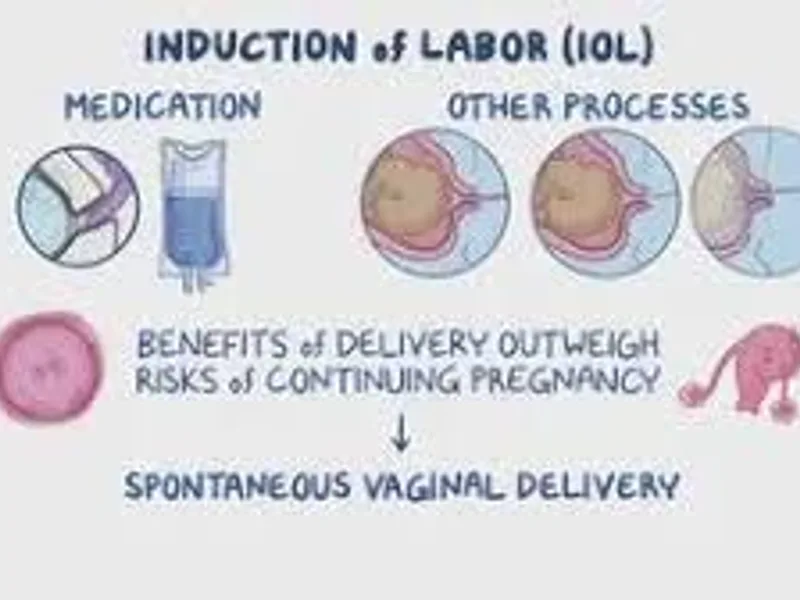
If you’re close to your due date and feeling stuck in waiting mode, this breaks down induction of labor methods in a way that actually makes sense. No jargon, no fluff—just what works, what doesn’t, and what it really feels like from a human perspective.
May 20, 2026