

Emergency & Help
24/7 Emergency & General Advisory
🚨 24/7 Medical Emergency
Non-Emergency Advisory
10:00 AM – 6:00 PM, Mon–Sat
For appointments & general queries.
24/7 Emergency & General Advisory
🚨 24/7 Medical Emergency
Non-Emergency Advisory
10:00 AM – 6:00 PM, Mon–Sat
For appointments & general queries.
Discover the common, yet often unexpected, side effects after a C-section, including swelling and urinary issues, and learn how to manage them.

A C-section, or Cesarean delivery, is a major surgical procedure. While the surgery itself might feel like the main event, the recovery period can bring its own set of challenges and unexpected side effects. Many mothers prepare for the surgical pain and the initial recovery, but are often caught off guard by the less commonly discussed aftermath. This blog post aims to shed light on these often-overlooked aspects of C-section recovery, offering practical advice and reassurance to new mothers in India and worldwide.
It's a common misconception that the surgical part of a C-section is the most difficult. For some, like the author of our source material, the surgery itself was straightforward and relatively quick. The focus often shifts to the baby and the joy of meeting your little one. However, the body undergoes significant changes during pregnancy and surgery, and the return to normalcy can be a gradual process with its own set of surprises.
One of the most startling side effects many women experience is significant swelling, often referred to as postpartum edema. You might feel larger than you did during your entire pregnancy, making it difficult to fit into pre-pregnancy clothes or even find comfortable shoes. This swelling is a direct result of the body's hormonal changes during pregnancy. By the third trimester, your body increases its plasma volume without a corresponding increase in red blood cells. This fluid retention, coupled with the IV fluids administered during surgery, can lead to considerable swelling.
What to Expect:
When It Resolves:
Fortunately, this type of swelling is usually temporary. For many, it begins to resolve within 7 to 10 days postpartum. As the excess fluid leaves your body, you'll feel a literal weight lifted, and your body will gradually return to its pre-pregnancy size.
Another common, yet often unexpected, issue is difficulty urinating after a C-section. This can happen even with a Foley catheter in place during and immediately after surgery to help with bladder drainage. The catheter is typically removed within 12 to 24 hours, but your bladder might take some time to
Most people do not notice early warning signs right away. That is common. A simple symptom diary, basic routine checks, and timely follow-up visits can prevent small problems from becoming serious.
If you are already on treatment, stay consistent with medicines and lifestyle advice. If your symptoms change, do not guess. Check with a qualified doctor and update your plan early.
Write down symptoms, triggers, and timing for a few days.
Carry old prescriptions and test reports to your consultation.
Ask clearly about side effects, red-flag signs, and follow-up dates.
Seek urgent care for severe pain, breathing trouble, bleeding, fainting, or sudden worsening.
Visit Hospital
Near You
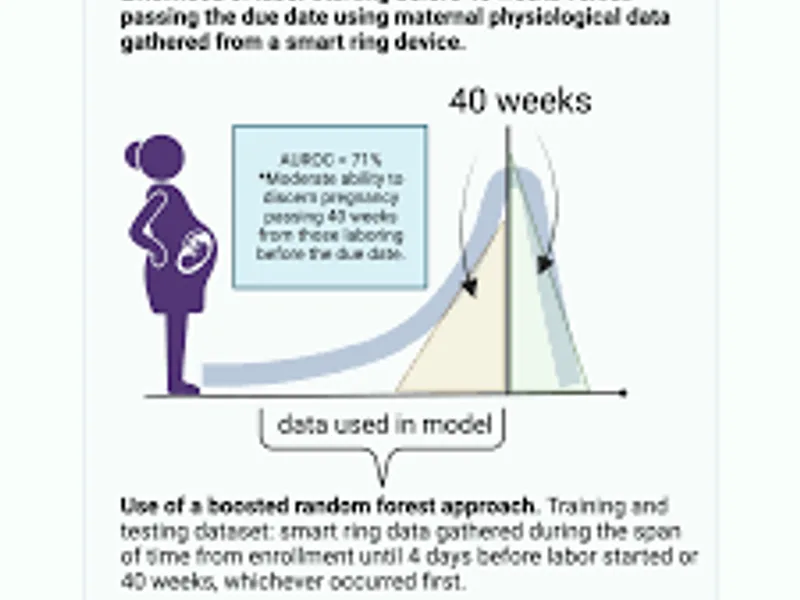
Going past your due date can feel like being stuck in a waiting room with no clock. This guide walks you through what actually happens during monitoring after due date pregnancy — the tests, the decisions, and the emotions nobody really prepares you for.
May 20, 2026
Going past your due date can feel like being stuck in a waiting room with no clock. This guide walks you through what actually happens during monitoring after due date pregnancy — the tests, the decisions, and the emotions nobody really prepares you for.
May 20, 2026
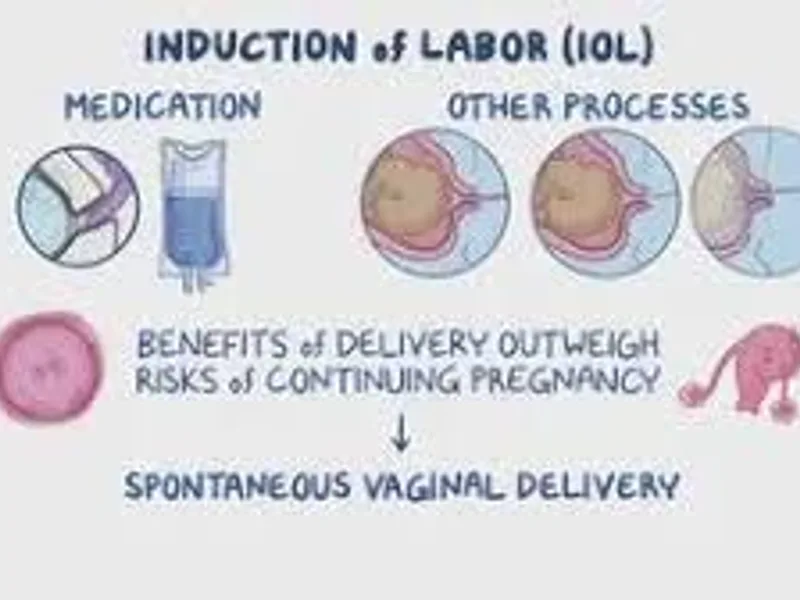
If you’re close to your due date and feeling stuck in waiting mode, this breaks down induction of labor methods in a way that actually makes sense. No jargon, no fluff—just what works, what doesn’t, and what it really feels like from a human perspective.
May 20, 2026