

Emergency & Help
24/7 Emergency & General Advisory
🚨 24/7 Medical Emergency
Non-Emergency Advisory
10:00 AM – 6:00 PM, Mon–Sat
For appointments & general queries.
24/7 Emergency & General Advisory
🚨 24/7 Medical Emergency
Non-Emergency Advisory
10:00 AM – 6:00 PM, Mon–Sat
For appointments & general queries.
Discover the unexpected side effects of C-sections, including swelling, bladder issues, rashes, and delayed milk production. Learn how to manage these common postpartum challenges and when to seek medical advice.

A Cesarean section, or C-section, is a major surgical procedure that delivers your baby through incisions in your abdomen and uterus. While the surgery itself might feel like the main event, many new mothers are surprised by the lingering, and sometimes uncomfortable, side effects that can follow. You might have prepared for the recovery from the incision, but what about the unexpected challenges that can arise? This guide explores some of these less-discussed aftermaths of a C-section, helping you to be better informed and prepared for your postpartum journey.
One of the most common, yet often unmentioned, side effects is significant swelling, medically known as postpartum edema. You might feel like you're still pregnant, or even larger, in the days and weeks after delivery. This isn't just water retention; it's a natural physiological response.
During pregnancy, your body increases its plasma volume to support your growing baby. This means you have more fluid circulating in your system. After delivery, especially with a C-section, your body is still adjusting. Dr. Anita Saha, an obstetrician/gynecologist, explains that the extra IV fluids administered during surgery can also contribute to this initial, pronounced swelling. For C-section patients, this can sometimes lead to more immediate and noticeable swelling compared to vaginal deliveries.
Scenario: Priya, a new mother, was shocked when, a day after her C-section, her feet and ankles looked like they belonged to someone else. She couldn't even fit into her pre-pregnancy shoes, let alone the comfortable slip-ons she brought to the hospital. She felt disheartened, as she expected to feel lighter after the baby's arrival, not more swollen.
Saha notes that this type of swelling typically resolves within 7 to 10 days postpartum. The relief when it finally subsides is often described as immense, like a literal weight being lifted.
Another surprising issue some women face is difficulty urinating after a C-section. Even with a Foley catheter in place during and immediately after surgery to help drain the bladder, you might find it challenging to empty your bladder on your own once it's removed. This can be due to the effects of anesthesia, pain medication, and the general trauma to the abdominal area.
The bladder needs time to recover its function after surgery. The pressure and manipulation during the C-section can affect the nerves and muscles involved in urination. Hospitals have protocols for catheter removal, usually between 12 to 24 hours post-operation, but your body's response can vary.
If you experience persistent difficulty urinating, pain, or a feeling of incomplete bladder emptying after the catheter is removed, it's important to inform your healthcare provider. They can assess the situation and offer solutions, which might include further interventions or medication to help stimulate bladder function.
For some, the recovery involves more than just incision pain. A rather uncomfortable side effect can be the development of a rash, often itchy and painful, across the midsection or surgical site. This can occur days after the surgery, sometimes when you're already home.
Rashes can stem from various factors, including reactions to surgical adhesives, disinfectants used during the procedure, or even the body's inflammatory response to the surgery. The pressure from abdominal binders or the friction from clothing can also exacerbate the irritation.
While not exclusive to C-sections, delayed milk production can be a significant concern for breastfeeding mothers. Many expect milk to come in quickly, but it can take a few days for your mature milk to arrive.
In the first few days after delivery, your breasts produce colostrum, a nutrient-rich liquid. Your transitional milk, which appears whiter and is produced in larger volumes, typically comes in around day 3 to 5 postpartum. This timeline can sometimes be extended after a C-section due to hormonal shifts, stress, or pain medication.
Scenario: Meera was worried because her baby seemed fussy and unsatisfied on the second day after her C-section. She felt anxious about her milk supply, especially after the surgery. Her pediatrician reassured her that this was normal and advised her to keep her baby close for skin-to-skin contact and to start pumping to encourage milk production.
It's natural to experience some discomfort and changes after a C-section. However, certain symptoms warrant a call to your doctor or midwife. Don't hesitate to reach out if you experience:
Remember, your postpartum recovery is unique. Being informed about potential side effects empowers you to navigate this period with greater confidence and seek the support you need. Your well-being and recovery are paramount as you bond with your new baby.
Postpartum edema, or swelling, typically improves significantly within 7 to 10 days after a C-section. However, it can take longer for all swelling to completely disappear, especially in the legs and feet.
Yes, it is quite common to experience difficulty urinating after a C-section. This can be due to the effects of anesthesia, pain medications, and the surgical trauma. Your bladder needs time to regain full function. If the problem persists or is painful, consult your doctor.
A rash can occur after a C-section due to reactions to surgical materials, skin irritation, or the body's healing process. Keeping the area clean, dry, and avoiding irritants can help. If the rash is severe or concerning, seek medical advice.
Frequent nursing or pumping, skin-to-skin contact with your baby, staying hydrated, eating nutritious food, and seeking support from lactation consultants are effective ways to encourage milk production after a C-section.
You should contact your doctor if you notice increased redness, swelling, warmth, pus drainage, or separation of the incision edges. A fever or worsening pain are also signs that require medical attention.
Visit Hospital
Near You
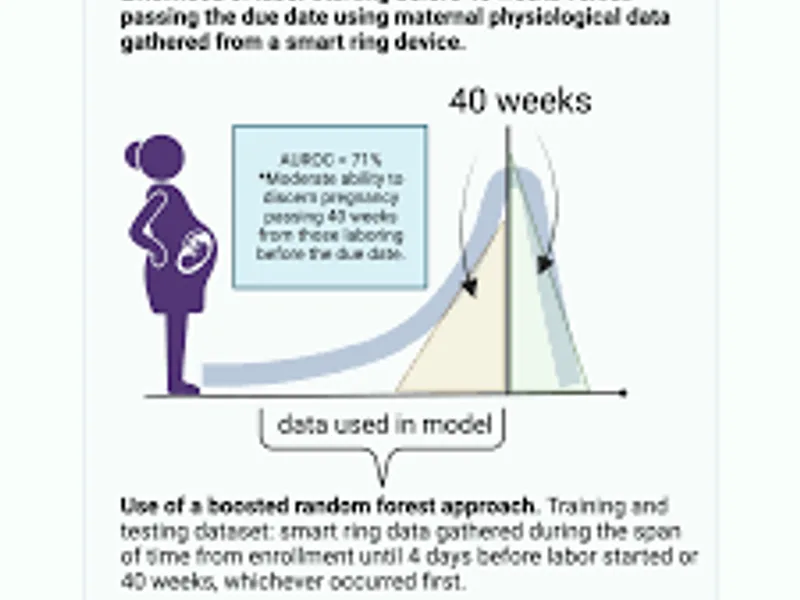
Going past your due date can feel like being stuck in a waiting room with no clock. This guide walks you through what actually happens during monitoring after due date pregnancy — the tests, the decisions, and the emotions nobody really prepares you for.
May 20, 2026
Going past your due date can feel like being stuck in a waiting room with no clock. This guide walks you through what actually happens during monitoring after due date pregnancy — the tests, the decisions, and the emotions nobody really prepares you for.
May 20, 2026
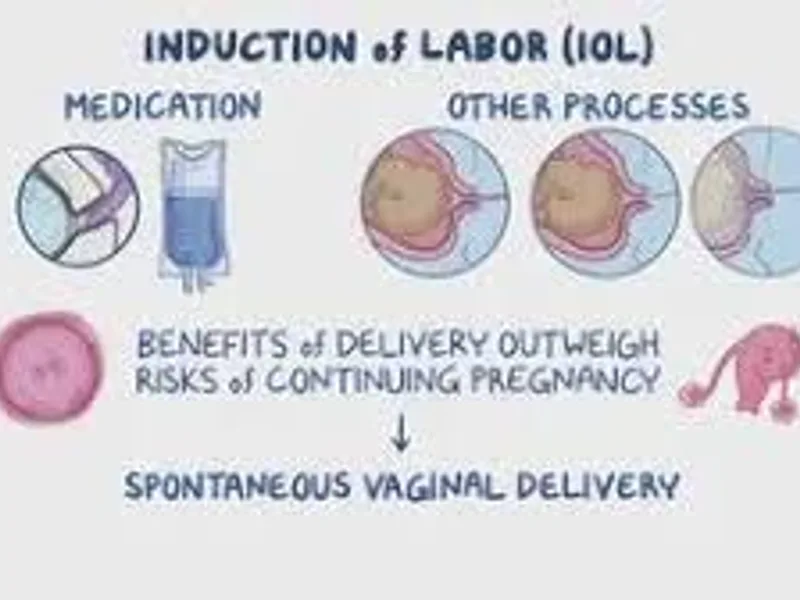
If you’re close to your due date and feeling stuck in waiting mode, this breaks down induction of labor methods in a way that actually makes sense. No jargon, no fluff—just what works, what doesn’t, and what it really feels like from a human perspective.
May 20, 2026