

Emergency & Help
24/7 Emergency & General Advisory
🚨 24/7 Medical Emergency
Non-Emergency Advisory
10:00 AM – 6:00 PM, Mon–Sat
For appointments & general queries.
24/7 Emergency & General Advisory
🚨 24/7 Medical Emergency
Non-Emergency Advisory
10:00 AM – 6:00 PM, Mon–Sat
For appointments & general queries.
Learn practical and empathetic tips to boost your breast milk supply. Understand signs of adequate intake, effective strategies like frequent nursing and power pumping, and when to seek professional help.

Becoming a new mother is a journey filled with immense joy and, often, a fair share of anxieties. One of the most common concerns that surfaces for breastfeeding mothers is whether they are producing enough milk for their precious little one. You’re not alone if you find yourself worrying about your breast milk supply, especially in those early days. It’s natural to want the best for your baby, and that includes ensuring they are well-nourished. This guide is designed to offer practical, empathetic, and medically sound advice to help you understand and potentially increase your breast milk production. We’ll walk you through the signs of adequate milk supply, effective strategies to boost production, and when it might be time to seek professional help. Understanding Your Milk Supply: Are You Making Enough? Before diving into strategies to increase your milk supply, it’s essential to determine if an increase is actually necessary. Overproducing milk can also lead to challenges, so let’s first look at the indicators that suggest your baby is getting enough nourishment. Signs of Adequate Breast Milk Intake: Baby’s Weight Gain: A healthy newborn should regain their birth weight within the first 10-14 days. After that, expect them to gain about 0.75 to 1 ounce (approximately 20-30 grams) daily for the first three months. Diaper Output: By the fifth day of life, aim for around 6-8 wet diapers per day and 3-4 stools per day for breastfed babies. The colour and consistency of stools will change over the first few weeks. Baby’s Demeanour: A well-fed baby typically seems content and satisfied after feeds. They should also have periods of alertness and sleep. Comfortable Nursing: Your baby should latch on effectively and nurse without excessive fussing or discomfort for prolonged periods. If your baby is meeting these milestones, congratulations! You are likely doing a wonderful job, and your milk supply is probably sufficient. However, if you have concerns about your baby’s weight gain or diaper output, or if you simply wish to build a stash of expressed milk for when you return to work or need to be away, there are effective ways to enhance your production. The Principle of Supply and Demand in Breastfeeding Your body’s milk production works on a simple yet powerful principle: supply and demand. The more milk that is removed from your breasts, the more milk your body will signal to produce. Think of it like this: your breasts are a factory, and your baby (or breast pump) is the customer placing orders. More orders mean the factory ramps up production. This means that frequent and effective milk removal is the cornerstone of a robust milk supply. The key is to ensure your breasts are emptied as thoroughly and as often as possible. Effective Strategies to Increase Breast Milk Production When you’re worried about your milk supply, you want solutions that work, and ideally, they work fast. While a significant increase might take a few days, you can often see an immediate difference in the amount of milk you can express through certain techniques. 1. Frequent Nursing and Feeding on Demand The most natural way to increase milk supply is to nurse your baby more often. Don’t wait for your baby to show strong hunger cues; offer the breast whenever they seem interested, even if it’s just for a short time. This frequent stimulation signals your body to produce more milk. A Real-Life Scenario: Imagine Priya, a new mom, who notices her baby is fussy and seems to want to nurse constantly. Instead of worrying, she decides to embrace this “cluster feeding” as a sign from her baby that he needs more. She spends the day skin-to-skin, offering her breast at every cue. By the next day, she feels her breasts are fuller, and her baby seems more settled after feeds. 2. Power Pumping Power pumping is a technique that mimics the cluster feeding pattern of babies, stimulating your breasts to produce more milk. It involves a specific schedule of pumping over a short period. How to Power Pump: Pump for 20 minutes. Rest for 10 minutes. Pump for 10 minutes. Rest for 10 minutes. Pump for 10 minutes. This entire cycle takes one hour and can be done once a day, ideally in the morning when milk supply is often highest. Some mothers find alternating 5 minutes of pumping with 5 minutes of rest for 30 minutes, repeating 5-6 times a day, more effective. 3. Ensure Complete Breast Drainage It’s not just about how often milk is removed, but also how effectively. Always aim to fully empty your breasts during nursing or pumping sessions. Hand Expression: After a baby finishes nursing or after a pumping session, try hand expressing any remaining milk. This can significantly boost your supply over time. Massage: Gently massaging your breasts before and during nursing or pumping can help ensure all milk ducts are stimulated and milk flows more freely. Warm compresses can also be helpful. 4. Skin-to-Skin Contact This is more than just cuddles! Spending time with your baby in skin-to-skin contact can have a profound effect on your milk supply. It helps regulate your baby’s temperature and heart rate, and it releases oxytocin in you – the hormone that plays a key role in milk let-down and production. Try to incorporate more skin-to-skin time throughout your day. 5. Stay Hydrated and Nourished While thirst is a good indicator, ensure you’re drinking plenty of fluids throughout the day. Water is best, but other healthy fluids like milk, herbal teas (check for safe lactation teas), and soups also count. Eating a balanced diet rich in protein, healthy fats, and essential vitamins and minerals supports your overall health and milk production. 6. Get Adequate Rest This might sound impossible with a newborn, but rest is a vital component of milk production. Sleep deprivation and stress can negatively impact your hormones and, consequently, your milk supply. Try to sleep when the baby sleeps, and don’t hesitate to ask for help from your partner, family, or friends to manage household chores and allow you to rest. 7. Manage Stress and Emotions The emotional toll of new motherhood, coupled with worries about milk supply, can create a cycle of stress that hinders milk production. Try relaxation techniques such as deep breathing, meditation, or listening to calming music. Remember to be kind to yourself during this demanding period. Galactagogues: Foods and Herbs That May Help Some foods and herbs are traditionally believed to help increase milk supply. These are known as galactagogues. While scientific evidence varies, many mothers find them helpful as part of a broader strategy. Oats: Oatmeal is a popular choice, often consumed as porridge. Fenugreek: Available as a supplement or tea. (Note: Some people may experience digestive upset or a maple syrup odour in sweat/urine.) Fennel Seeds: Can be added to cooking or consumed as a tea. Brewer’s Yeast: Rich in B vitamins and iron, often added to smoothies. Almonds: A good source of essential fatty acids. Important Note: Always consult with your doctor or a lactation consultant before starting any new supplements, especially if you have underlying health conditions or are taking medications. When to Consult a Healthcare Professional While home strategies can be very effective, there are times when professional help is essential. Don’t hesitate to reach out to your doctor, a pediatrician, or an International Board Certified Lactation Consultant (IBCLC) if: Your baby is not gaining weight adequately. Your baby is consistently having fewer wet or dirty diapers than expected. You experience pain during breastfeeding. You suspect a tongue-tie or other oral issue in your baby that affects latching. You are feeling overwhelmed or experiencing significant anxiety about your milk supply. A lactation consultant can assess your baby’s latch, feeding technique, and overall supply, providing personalized guidance and support. Addressing Common Myths Myth: You need to drink a lot of cow’s milk to make more breast milk. Fact: While dairy can be part of a healthy diet, there’s no specific evidence that drinking cow’s milk increases breast milk production. Focus on overall hydration and a balanced diet. Myth: If your breasts don’t feel full, you’re not making enough milk. Fact: As your body adjusts, your breasts may no longer feel engorged or overly full. This doesn’t necessarily mean your supply has dropped. Continue to monitor your baby’s output and weight gain. Conclusion: Trust Your Instincts and Seek Support Breastfeeding is a learning process for both you and your baby. There will be days when it feels effortless and days when it feels challenging. By understanding the principles of supply and demand, implementing effective strategies, and knowing when to seek professional help, you can navigate concerns about your milk supply with confidence. Remember to be patient with yourself and your baby, and celebrate the incredible bond you are building. Frequently Asked Questions (FAQ) Q1: Can I really increase my breast milk supply in just one day? A: While you might be able to express more milk immediately through techniques like power
In summary, timely diagnosis, evidence-based treatment, and prevention-focused care improve long-term health outcomes.
Visit Hospital
Near You

Going past your due date can feel like being stuck in a waiting room with no clock. This guide walks you through what actually happens during monitoring after due date pregnancy — the tests, the decisions, and the emotions nobody really prepares you for.
May 20, 2026
Going past your due date can feel like being stuck in a waiting room with no clock. This guide walks you through what actually happens during monitoring after due date pregnancy — the tests, the decisions, and the emotions nobody really prepares you for.
May 20, 2026
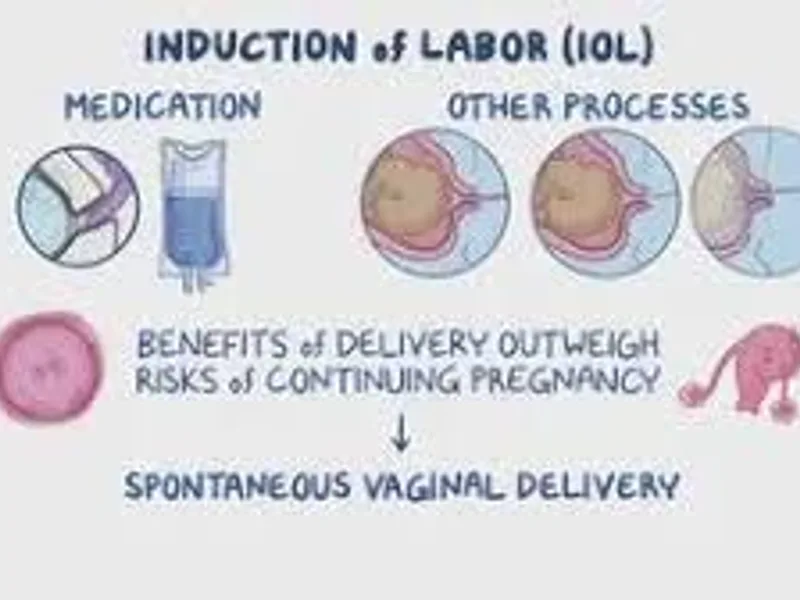
If you’re close to your due date and feeling stuck in waiting mode, this breaks down induction of labor methods in a way that actually makes sense. No jargon, no fluff—just what works, what doesn’t, and what it really feels like from a human perspective.
May 20, 2026