

Emergency & Help
24/7 Emergency & General Advisory
🚨 24/7 Medical Emergency
Non-Emergency Advisory
10:00 AM – 6:00 PM, Mon–Sat
For appointments & general queries.
24/7 Emergency & General Advisory
🚨 24/7 Medical Emergency
Non-Emergency Advisory
10:00 AM – 6:00 PM, Mon–Sat
For appointments & general queries.
Explore the safety of Botox during pregnancy and breastfeeding. Understand the risks, current research, and what medical professionals advise for expectant and nursing mothers in India.

Botox, the brand name for botulinum toxin type A, is a neurotoxic protein produced by the bacterium Clostridium botulinum. While widely recognized for its cosmetic applications in smoothing facial wrinkles, particularly frown lines between the eyebrows (glabellar lines) and crow's feet, its medical uses are also significant. Botox can effectively treat conditions such as excessive sweating (hyperhidrosis), chronic migraines, muscle spasms, and certain neurological disorders. Other similar products containing botulinum toxin include Dysport, Xeomin, and Myobloc, though their applications may vary.
This is the million-dollar question for many women who regularly use Botox for either cosmetic or medical reasons and then discover they are pregnant. The honest, albeit potentially unsatisfying, answer is that we don't have enough robust research to definitively say Botox is completely safe during pregnancy. The U.S. Food and Drug Administration (FDA) currently states that the effects of Botox on unborn babies are unknown. This lack of conclusive data means caution is the prevailing recommendation.
The available research, though limited, offers some insights. Animal studies have provided a glimmer of optimism. When botulinum toxin A was injected into pregnant animals, researchers did not observe evidence of the toxin crossing the placental barrier. This suggests that it might be unlikely to do so in humans as well. Furthermore, the large molecular size of the botulinum toxin molecule is thought to be a factor that could prevent it from easily crossing the placenta.
However, it is critical to remember that animal studies do not perfectly replicate human physiology. What holds true for animals may not necessarily apply to humans. Therefore, while these findings are reassuring to some extent, they are not a green light for using Botox during pregnancy.
When Botox is administered, there is a small risk that the toxin could spread beyond the intended injection site. If this happens, it can lead to a serious condition called botulism. Symptoms of botulism can appear within hours to days or even weeks after injection and may include:
While these are potential risks associated with Botox in general, the specific risk of these complications occurring during pregnancy and their impact on the fetus is not well-documented. Some limited studies have not found a strong link between Botox use and adverse pregnancy outcomes, but this does not negate the need for caution due to the data gaps.
Similar to pregnancy, the safety of Botox injections while breastfeeding is also not clearly established. The key concern is whether the botulinum toxin can pass into breast milk and subsequently affect the nursing infant. Currently, there is insufficient research to determine if this occurs or what the potential consequences might be.
One 2017 study suggested that botulinum toxin A might be safe during breastfeeding, as it indicated only negligible systemic absorption and placental transfer. However, this is just one study, and more comprehensive research is needed before any definitive conclusions can be drawn. Given the uncertainty, many healthcare providers advise a conservative approach.
Imagine Priya, who has been using Botox every six months for the past five years to manage frown lines. She recently found out she is pregnant and is thrilled but also worried about her upcoming appointment. She loves how Botox makes her feel more confident, but the thought of any potential risk to her baby causes immense anxiety. She's unsure if she should skip her next treatment or if it's safe to proceed.
Navigating health decisions during pregnancy requires careful consideration and open communication with your healthcare provider. Here’s how you can approach the Botox question:
Your primary doctor for pregnancy is your obstetrician or gynecologist. Discuss your regular Botox use, whether for cosmetic or medical reasons, with them as early as possible. They can provide guidance based on your individual health status and the latest medical recommendations. Be open about your concerns and any information you've gathered.
If you regularly see a dermatologist or aesthetician for Botox, have a frank conversation with them as well. While they are experts in administering Botox, they should also be aware of its implications during pregnancy and breastfeeding. They can explain the procedure and potential risks from their perspective.
If you decide to pause Botox during pregnancy, discuss alternative ways to manage your concerns. This might involve focusing on skincare, embracing the changes in your body, or exploring other non-invasive treatments that are considered safe during pregnancy (always under medical supervision). For those using Botox for medical reasons, your doctor will work with you to find safe alternatives.
Many women find that their concerns about appearance naturally lessen as they focus on the pregnancy and the arrival of their baby. You might find that resuming Botox after childbirth and once you've finished breastfeeding is a perfectly viable and safe option.
It’s a personal decision, but one that should be informed. If you are using Botox for a medical condition, the benefits of treatment might outweigh the minimal known risks, especially if safer alternatives are not available. For cosmetic reasons, the decision often involves weighing the desire for aesthetic improvement against the unknown risks to the baby.
If you have received Botox injections during pregnancy and experience any of the symptoms of botulism mentioned earlier (muscle weakness, difficulty swallowing or speaking, breathing problems, etc.), seek medical attention immediately. Report the injection and your symptoms to your doctor without delay.
The safest approach, given the current lack of definitive safety data, is to avoid Botox injections during pregnancy and breastfeeding unless medically necessary and recommended by your doctor. While animal studies and molecular size suggest a potentially low risk, the absence of human trial data means caution is paramount. Focus on a healthy pregnancy, and know that you can revisit your cosmetic or medical Botox treatments once your baby is safely here and you have consulted with your healthcare provider.
A1: This is a decision you must make in consultation with your doctor. If the benefits of Botox for your medical condition significantly outweigh the potential unknown risks to your baby, your doctor might recommend it. However, they will explore all safe alternatives first.
A2: While it's natural to worry, try to remain calm. The available data, though limited, suggests a low risk of the toxin crossing the placenta. Inform your obstetrician about when you received the treatment so they can monitor your pregnancy appropriately.
A3: Yes, it's generally recommended to avoid skincare products containing high concentrations of retinoids (like tretinoin), salicylic acid, and benzoyl peroxide during pregnancy. Always check product labels and consult your doctor or a dermatologist if you're unsure.
A4: Many standard beauty treatments are considered safe, including haircuts, manicures, pedicures, and facials. However, always ensure your salon follows good hygiene practices. For specific treatments, especially those involving chemicals or heat, consult your doctor.
Visit Hospital
Near You
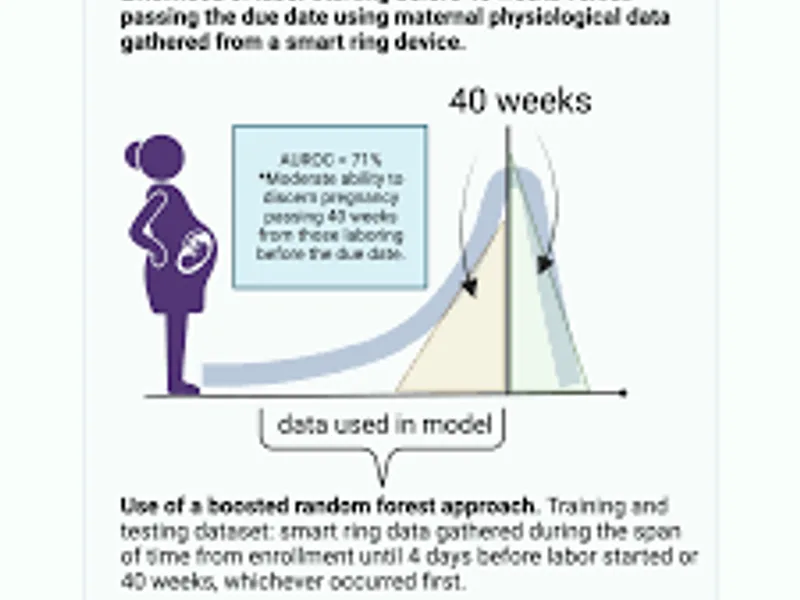
Going past your due date can feel like being stuck in a waiting room with no clock. This guide walks you through what actually happens during monitoring after due date pregnancy — the tests, the decisions, and the emotions nobody really prepares you for.
May 20, 2026
Going past your due date can feel like being stuck in a waiting room with no clock. This guide walks you through what actually happens during monitoring after due date pregnancy — the tests, the decisions, and the emotions nobody really prepares you for.
May 20, 2026
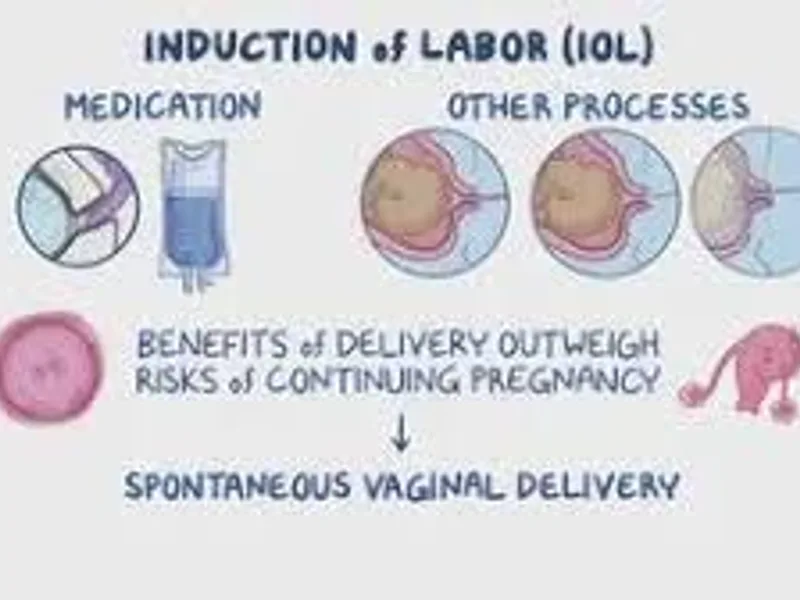
If you’re close to your due date and feeling stuck in waiting mode, this breaks down induction of labor methods in a way that actually makes sense. No jargon, no fluff—just what works, what doesn’t, and what it really feels like from a human perspective.
May 20, 2026