

Emergency & Help
24/7 Emergency & General Advisory
🚨 24/7 Medical Emergency
Non-Emergency Advisory
10:00 AM – 6:00 PM, Mon–Sat
For appointments & general queries.
24/7 Emergency & General Advisory
🚨 24/7 Medical Emergency
Non-Emergency Advisory
10:00 AM – 6:00 PM, Mon–Sat
For appointments & general queries.
Learn about Braxton Hicks contractions: what they feel like, why they occur, and when to consult your doctor. Understand the difference between practice contractions and true labor.

Pregnancy is a time of incredible change, and your body is constantly preparing for the amazing journey ahead. One common experience many expectant mothers encounter are Braxton Hicks contractions. You might have heard them called "practice contractions" or "false labor." But what exactly are they, and when should you pay attention to their frequency? This guide aims to demystify Braxton Hicks contractions, helping you understand what they feel like, what might make them more frequent, and most importantly, when to reach out to your doctor. Remember, knowing the difference between these practice contractions and true labor can bring you peace of mind during these special months.
Braxton Hicks contractions are irregular, typically painless tightenings of your uterus that occur throughout pregnancy. They don't cause your cervix to dilate, which is the key difference between them and the contractions that signal the start of labor. Think of them as your uterus's way of warming up, toning its muscles in preparation for the hard work of childbirth. They usually begin in the second trimester and become more noticeable as your due date approaches. While they can sometimes feel alarming, especially if they happen frequently, they are a normal and expected part of pregnancy for most women.
The sensation of Braxton Hicks contractions can vary from woman to woman and even from one pregnancy to the next. Generally, they are:
Imagine you're at home, perhaps doing some light chores, and you feel your belly tighten up for a moment. It feels strange, maybe a little uncomfortable, but it passes quickly. You shift your position, and it doesn't return for a while. This is a classic Braxton Hicks experience.
Several factors can influence the frequency of Braxton Hicks contractions. Your body's response to these triggers is usually harmless, but understanding them can help you manage your comfort.
If you notice an increase in Braxton Hicks, consider what you've been doing. Have you been particularly active today? Have you been diligent about drinking water? Sometimes, simple adjustments can make a difference.
This is perhaps the most important distinction for expectant mothers. While both involve uterine contractions, their characteristics and implications are vastly different.
Consider this scenario: You've been having contractions for an hour. They started about 15 minutes apart and now they're coming every 5 minutes, feeling much stronger and making it hard to talk through them. You also notice some back pain that seems to be intensifying with each one. This sounds like true labor. On the other hand, if you had a few tightenings that stopped when you drank a glass of water and lay down, those were likely Braxton Hicks.
While frequent Braxton Hicks are usually not a cause for alarm, there are specific situations where you should contact your doctor or midwife immediately. It's always better to err on the side of caution.
If you're unsure, call your healthcare provider. They can help you assess your situation over the phone or may ask you to come in for an examination to check for cervical changes.
If your Braxton Hicks contractions are becoming bothersome, there are several practical steps you can take at home to ease them. These strategies focus on addressing the common triggers.
These simple measures often help calm an overactive uterus and reduce the frequency of Braxton Hicks.
Sometimes, frequent contractions might be related to something called "uterine irritability." This isn't a formal diagnosis but rather a description of disorganized uterine activity. While it can cause contractions that feel similar to Braxton Hicks, they often don't respond to rest or hydration and may feel more like cramps. If you suspect uterine irritability, it's important to discuss it with your doctor, as in rare cases, it might be linked to underlying issues that need attention.
Generally, no. They are usually described as tightenings or hardening of the abdomen, which can be uncomfortable but not truly painful. If you experience significant pain, especially with regular, strong contractions, it's important to consult your doctor.
While there's no strict number, if you're having more than 4-6 contractions in an hour, or if they are becoming regular and increasing in intensity, it's a good idea to check in with your healthcare provider.
No, Braxton Hicks contractions do not cause cervical dilation and therefore do not start labor. They are a preparation for labor, not labor itself.
First, try the home management strategies: change position, drink water, empty your bladder, and try to relax. If these don't help or if you're concerned, contact your doctor or midwife. Keeping a log of your contractions (timing, duration, intensity) can be very helpful when you speak with them.
Braxton Hicks contractions are a normal part of pregnancy. By understanding their characteristics and knowing when to seek professional advice, you can navigate this phase with greater confidence and peace of mind. Always trust your instincts and communicate any concerns with your healthcare provider.
Visit Hospital
Near You
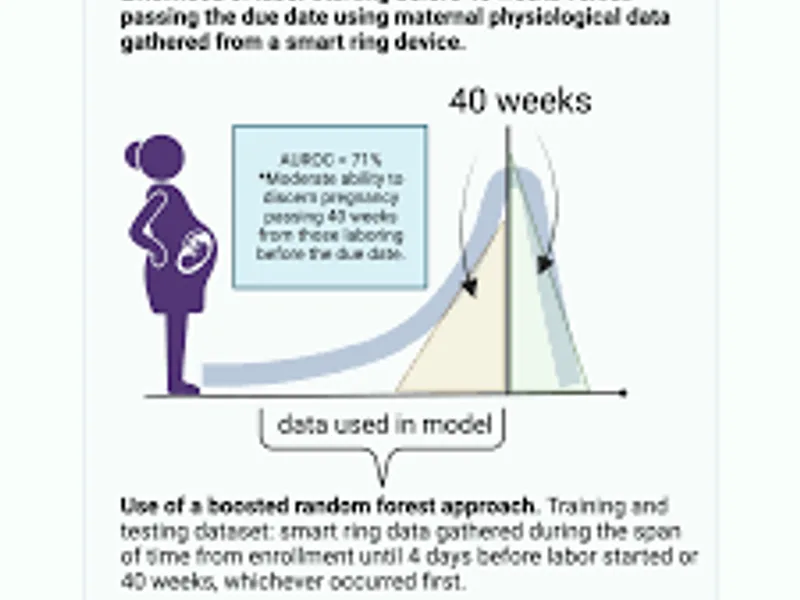
Going past your due date can feel like being stuck in a waiting room with no clock. This guide walks you through what actually happens during monitoring after due date pregnancy — the tests, the decisions, and the emotions nobody really prepares you for.
May 20, 2026
Going past your due date can feel like being stuck in a waiting room with no clock. This guide walks you through what actually happens during monitoring after due date pregnancy — the tests, the decisions, and the emotions nobody really prepares you for.
May 20, 2026
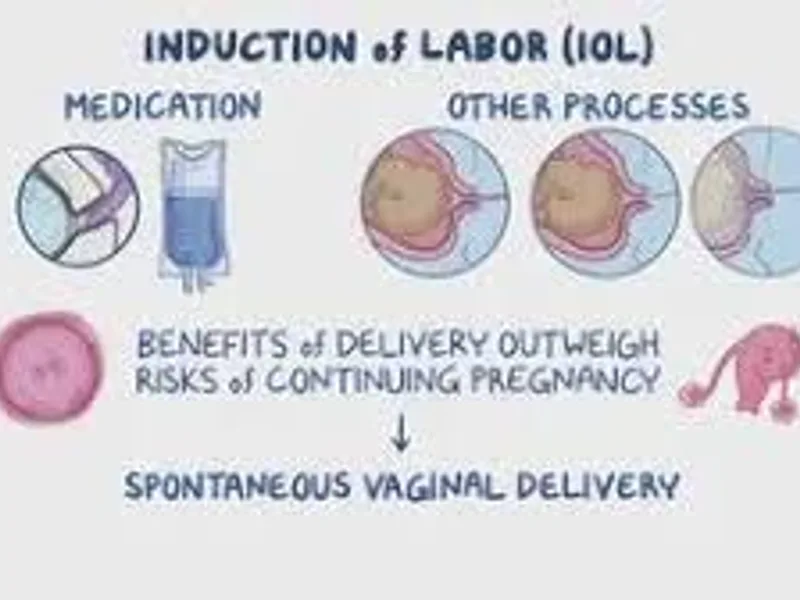
If you’re close to your due date and feeling stuck in waiting mode, this breaks down induction of labor methods in a way that actually makes sense. No jargon, no fluff—just what works, what doesn’t, and what it really feels like from a human perspective.
May 20, 2026