

Emergency & Help
24/7 Emergency & General Advisory
🚨 24/7 Medical Emergency
Non-Emergency Advisory
10:00 AM – 6:00 PM, Mon–Sat
For appointments & general queries.
24/7 Emergency & General Advisory
🚨 24/7 Medical Emergency
Non-Emergency Advisory
10:00 AM – 6:00 PM, Mon–Sat
For appointments & general queries.
Navigating pregnancy with breast implants? Understand how pregnancy affects your implants, breastfeeding possibilities, postpartum changes, and when to consult a doctor. Get clear answers for Indian women.

So, you’ve got breast implants and you’re thinking about starting a family, or maybe you just found out you’re pregnant. Suddenly, a whole host of questions might be swirling in your mind, right? It’s completely normal to wonder how those implants will fare through pregnancy and breastfeeding, and what it all means for your body and your baby. Let’s clear the air and address those concerns with clear, practical information tailored for you. Many women in India choose breast augmentation for various personal reasons, and embracing motherhood is a beautiful journey that shouldn't be overshadowed by anxiety about implants. The good news? For most women, having breast implants doesn't mean complications during pregnancy. Medical experts assure us that implants are designed to be resilient. They’re built tough, meant to resist ruptures and leaks, even as your body undergoes the incredible changes of pregnancy. Think of them as sturdy companions on your pregnancy journey. How Pregnancy Affects Your Breasts (and Implants) Pregnancy is a time of immense transformation. Your body is preparing to nourish a new life, and your breasts are at the forefront of this change. Estrogen and progesterone levels surge, signalling your milk glands to grow and prepare for lactation. This natural expansion of breast tissue can put some pressure on your implants. But here’s the reassuring part: the implants themselves are generally fine. Dr. Samuel Lin, a respected plastic surgeon, explains that the pressure from growing breast tissue is very unlikely to cause implants to rupture or change shape. They are designed to be resilient. However, the changes aren't just about the implants. Your natural breast tissue will also change. As your breasts grow larger and fuller, the skin and tissue can stretch. After childbirth and once breastfeeding concludes, your breasts might contract. This expansion and contraction cycle can sometimes lead to changes in the shape or firmness of your breast tissue. For some women, this means a noticeable change in how their breasts look, even with implants. It’s not the implant itself changing, but the surrounding tissue. Think of it like a balloon inside a stretchy sock – the sock might change shape more than the balloon inside. It’s also worth noting that weight gain during pregnancy can contribute to overall body changes, including in the breast area. While implants maintain their volume, the natural tissues surrounding them can alter. When Should You Get Pregnant After Implant Surgery? While it’s generally safe to get pregnant after breast augmentation, timing can play a role in optimizing outcomes and minimizing potential concerns. Medical professionals often recommend waiting a specific period after your surgery before conceiving. Why? This waiting period, typically around 3 to 6 months, allows your breasts to settle. Your breast tissue needs time to heal properly and adapt to its new state. This recovery phase helps your breasts better withstand the significant changes they’ll undergo during pregnancy and breastfeeding. Waiting ensures that your breast tissue is in a more stable condition, potentially reducing the likelihood of excessive sagging or changes in appearance postpartum. If, however, you find yourself pregnant soon after surgery, don’t panic. The most important step is open communication. Inform your plastic surgeon and your obstetrician immediately. They can work together to monitor your health and your pregnancy closely, ensuring any potential risks are managed proactively. Regular check-ups become even more vital in such situations. Breastfeeding with Implants: Can You Do It? This is a big question for many expectant mothers. The straightforward answer is: yes, most women with breast implants can breastfeed. The ability to produce milk and breastfeed successfully depends more on the integrity of your milk ducts and glandular tissue than on the presence of an implant itself. Here’s a breakdown of factors that might influence breastfeeding: Surgical Incision Placement: If your surgeon made incisions around the areola (the darker skin around the nipple) or directly through the nipple, some milk ducts might have been affected or cut. This could potentially impact milk flow. Implant Placement: Implants placed *over* the chest muscle (subglandular) might have less impact on milk production compared to implants placed *under* the chest muscle (submuscular), though this isn't a universal rule. Some studies suggest minimal difference, while others indicate potential minor impacts depending on the individual. Glandular Tissue: The key to milk production is healthy glandular tissue. If a woman had limited glandular tissue *before* augmentation, or if the surgery somehow compromised this tissue, milk production might be affected, implant or no implant. Sensation: Some women experience a temporary or permanent loss of sensation in their nipples or breasts after surgery. Reduced sensation can sometimes make latching or understanding milk flow cues more challenging for some mothers. Despite these possibilities, many women breastfeed without any issues. The majority of breast augmentation surgeries aim to preserve ductal and nerve function. If you encounter difficulties, your doctor or a lactation consultant can offer support and strategies to help you and your baby navigate breastfeeding. Can Implants Affect Milk Supply? Generally, breast implants themselves do not directly reduce your milk supply. The hormone production necessary for milk generation occurs within the glandular tissue, which is usually preserved. However, as mentioned, surgical techniques that inadvertently damage milk ducts or glandular tissue can potentially affect supply. If you’re concerned, discuss your specific surgery details with your doctor. What About the Baby’s Health? This is paramount. Rest assured, extensive research and health organizations like the CDC and FDA have found no evidence linking breast implants (silicone or saline) to adverse health effects in breastfed babies. There are no reports of health concerns in infants born to mothers with breast implants. The milk produced is safe and nutritious for your baby. The implants are a foreign body within the breast tissue, separate from the milk-producing glands. Postpartum Changes: Sagging and Your Implants Pregnancy and breastfeeding naturally cause your breasts to change. They grow fuller during pregnancy and then often decrease in size and firmness after you stop breastfeeding. This natural process can lead to sagging or a change in breast shape. It’s important to understand that this is a consequence of hormonal changes and tissue elasticity, not the implants themselves. Your breast implants will likely remain largely unchanged. They don't sag on their own. The changes you observe are in your natural breast tissue surrounding the implants. Factors influencing postpartum breast appearance include: The amount of weight gained during pregnancy. The duration of breastfeeding. Your age and natural skin elasticity. The size and weight of your breasts pre-pregnancy. The size and type of your implants. So, if you notice a change in your breasts’ appearance after pregnancy, it’s the natural outcome of childbirth and breastfeeding affecting your own tissues, not a failure of the implants. Restoring Your Breasts' Appearance Post-Pregnancy If you’re unhappy with changes in your breasts after pregnancy and breastfeeding, there are options available. These procedures are designed to restore a more youthful or desired appearance. Breast Lift (Mastopexy): This surgery reshapes and lifts the breasts by removing excess skin and tightening the remaining tissue. It can address sagging and improve the overall contour. Implant Revision/Replacement: In some cases, replacing your existing implants with new ones (of the same or different size/shape) can help restore the look you desire. This might be combined with a breast lift for optimal results. Fat Grafting: In certain situations, fat can be transferred from other parts of your body to enhance the volume or shape of the breasts, potentially improving the appearance after significant tissue changes. These are surgical procedures, and like any surgery, they carry risks and require a recovery period. It’s essential to consult with a qualified plastic surgeon to discuss your specific concerns, understand the available options, and determine the best course of action for you. They can assess your individual situation and recommend the most suitable procedure. When Should You Consult a Doctor? While pregnancy with breast implants is usually straightforward, there are times when seeking medical advice is essential: Before Conceiving: If you have implants and are planning a pregnancy, discuss it with your plastic surgeon and obstetrician. During Pregnancy: If you experience any sudden pain, changes in breast shape, signs of infection, or unusual symptoms around your implants, contact your doctor immediately. Postpartum Concerns: If you have significant concerns about your breast appearance, breastfeeding challenges, or implant-related issues after delivery, schedule a consultation. Routine Check-ups: Keep up with your regular check-ups with both your plastic surgeon (as recommended) and your obstetrician/gynecologist throughout your pregnancy and postpartum period. Your health and the well-being of your baby are the top priorities. Open communication with your healthcare team ensures you receive the best possible care and peace of mind throughout this special time. Faqs About Breast Implants and Pregnancy Q1: Will my breast implants rupture during pregnancy? A: It’s highly unlikely. Implants are designed to be durable and can withstand the pressure from growing breast tissue. Rupture is rare and usually related to factors other than pregnancy itself. Q2: Can I breastfeed if I
In summary, timely diagnosis, evidence-based treatment, and prevention-focused care improve long-term health outcomes.
Visit Hospital
Near You
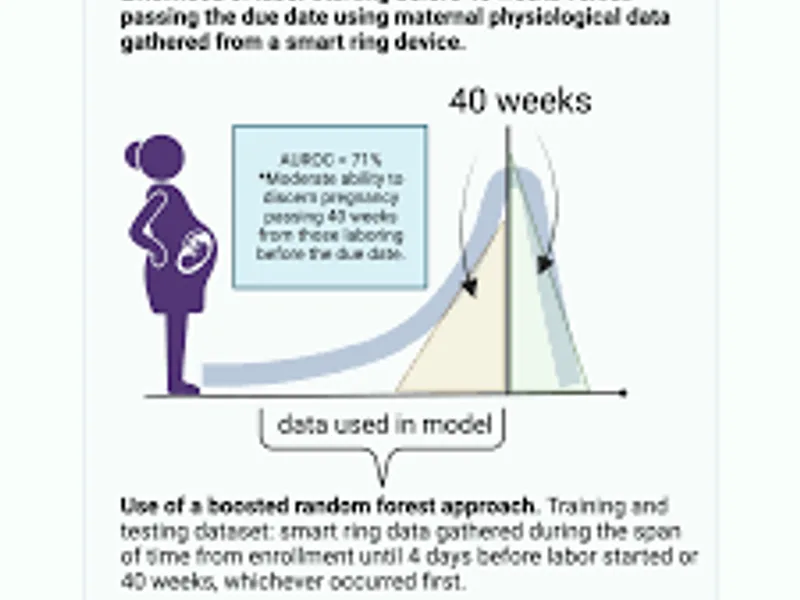
Going past your due date can feel like being stuck in a waiting room with no clock. This guide walks you through what actually happens during monitoring after due date pregnancy — the tests, the decisions, and the emotions nobody really prepares you for.
May 20, 2026
Going past your due date can feel like being stuck in a waiting room with no clock. This guide walks you through what actually happens during monitoring after due date pregnancy — the tests, the decisions, and the emotions nobody really prepares you for.
May 20, 2026
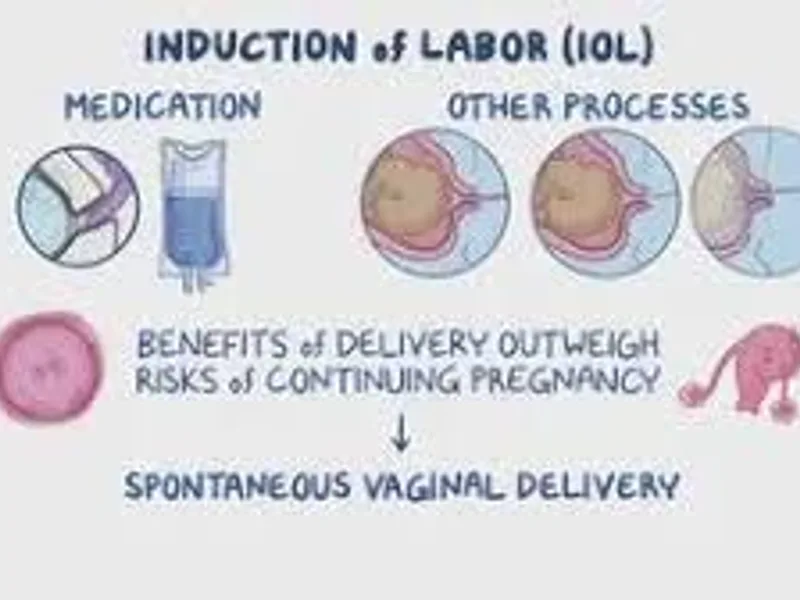
If you’re close to your due date and feeling stuck in waiting mode, this breaks down induction of labor methods in a way that actually makes sense. No jargon, no fluff—just what works, what doesn’t, and what it really feels like from a human perspective.
May 20, 2026