

Emergency & Help
24/7 Emergency & General Advisory
🚨 24/7 Medical Emergency
Non-Emergency Advisory
10:00 AM – 6:00 PM, Mon–Sat
For appointments & general queries.
24/7 Emergency & General Advisory
🚨 24/7 Medical Emergency
Non-Emergency Advisory
10:00 AM – 6:00 PM, Mon–Sat
For appointments & general queries.
Discover the best time to start pumping breast milk and learn effective techniques for storing and cleaning your equipment. Get expert tips for new mothers in India.

Becoming a new mother is a beautiful, yet demanding, journey. Amidst sleepless nights and countless cuddles, a common question arises: when should I start pumping breast milk? Whether you plan to return to work, want to build a milk stash, or simply need to supplement your baby’s intake, understanding the right time and technique for pumping is essential. This guide, drawing insights from experienced lactation consultants, aims to demystify the process for Indian mothers, ensuring you can confidently navigate this aspect of breastfeeding.
Pumping breast milk offers numerous advantages for both mother and baby. It allows your partner or other caregivers to feed the baby, giving you a much-needed break. For working mothers, it ensures your baby continues to receive breast milk even when you’re away. A stored supply can also be a lifesaver if your baby has specific medical needs, like low birth weight or jaundice, requiring supplemental feeding. Furthermore, pumping can help maintain your milk supply if you experience engorgement or need to create a reserve for future use.
The question of when to introduce a breast pump is nuanced and depends on your individual circumstances and your baby’s health. For healthy, full-term babies who are gaining weight well, and when there’s no anticipated separation, experts often recommend waiting until around 6 weeks postpartum. This allows you to establish a strong breastfeeding relationship and ensure your baby is adept at latching and feeding directly from the breast. Before this, if you experience excess milk build-up, hand expression is a gentler, more effective method for initial relief.
There are specific situations where starting to pump earlier might be necessary or recommended by healthcare professionals:
Important Note: Pumping during pregnancy is generally not advised. Stimulating the breasts can trigger uterine contractions, potentially leading to preterm labor. Always consult your doctor or a lactation consultant before pumping during pregnancy.
Once you've determined the right time to start, the 'how' is equally important. The goal is to efficiently express milk while signaling your body to produce more.
Electric breast pumps, especially double electric pumps that allow you to pump both breasts simultaneously, are often the most efficient. For occasional use, a manual pump can be a good option. Consider your needs: Are you pumping occasionally, part-time, or full-time? This will influence the type of pump that best suits you.
Pro Tip: The best time to pump is when you feel most relaxed and have the most milk. For many, this is first thing in the morning, as prolactin levels (which stimulate milk production) are highest overnight.
To build a reserve of expressed milk, try pumping for 10-15 minutes after a feeding session, either daily or every few days. Ensure you label each container with the date and time of expression before storing it in the refrigerator or freezer. This stash can be a great comfort, knowing you have milk available for your baby.
Proper storage is crucial to maintain the nutritional quality and safety of your expressed milk:
Maintaining hygiene is paramount to prevent contamination. After each use:
For initial setup and periodic deep cleaning, sterilize pump parts by boiling them in water for 5 minutes or using a steam sterilizer.
Meena, a new mother in Mumbai, was anxious about returning to her office job in six weeks. Her baby, Rohan, was exclusively breastfeeding and gaining weight beautifully. Worried about how Rohan would manage without her, Meena decided to start pumping three weeks before her return. She began by pumping for 10 minutes after Rohan’s morning feed. Initially, she only got a few milliliters, but she persisted. By the time she returned to work, she had a small but sufficient stash in her freezer, giving her peace of mind.
While pumping is a common practice, don't hesitate to reach out for support. Consult a doctor or a certified lactation consultant (IBCLC) if you experience:
Remember: Every mother and baby is unique. What works for one may not work for another. Trust your instincts, seek reliable information, and don't be afraid to ask for help. Your breastfeeding journey is your own, and pumping can be a valuable tool to support it.
Q1: Can I pump and breastfeed my baby on the same day?
Absolutely! Many mothers do this. You can breastfeed your baby first and then pump afterwards to encourage more milk production or to store milk for later. Alternatively, you can pump at one time and breastfeed at another, especially if you are separated from your baby.
Q2: How much milk should I expect to pump?
This varies greatly among mothers and even from day to day. Factors like time of day, how long it’s been since the last feed or pump, and your stress levels can affect output. Don't compare your output to others. Focus on what works for you and your baby.
Q3: Is it normal for my milk to stop dripping during a pumping session?
Yes, it's quite normal. Once the initial flow slows down or stops, it doesn't necessarily mean your breast is empty. Continue pumping for a few more minutes (around 10-15 minutes total) to encourage any remaining milk to release. If you are pumping to replace a feed, aim for a consistent duration even if the flow seems to stop.
Q4: Can I mix fresh and frozen breast milk?
It is generally recommended not to mix fresh and frozen milk in the same container. You can add freshly expressed milk to a container of previously chilled milk, but do not add fresh milk to already frozen milk. It's best to store them separately or add fresh milk to a container that is already refrigerated.
Visit Hospital
Near You
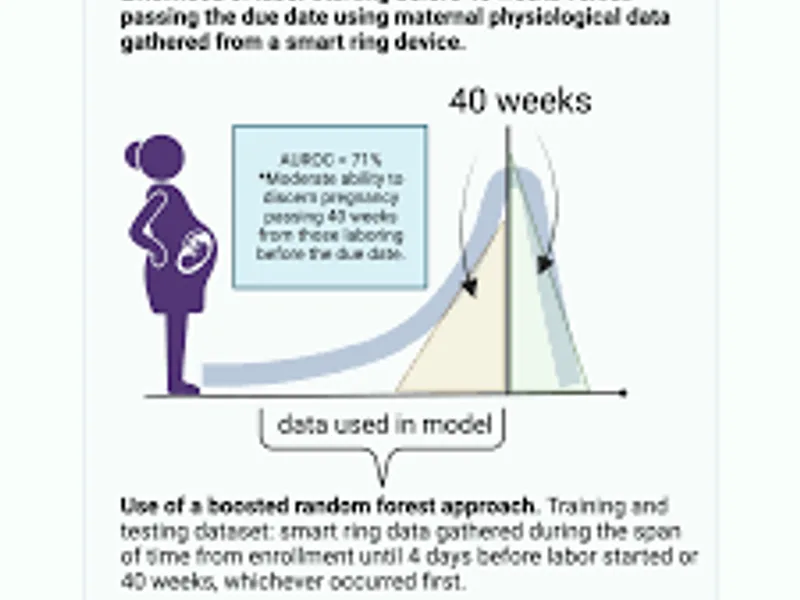
Going past your due date can feel like being stuck in a waiting room with no clock. This guide walks you through what actually happens during monitoring after due date pregnancy — the tests, the decisions, and the emotions nobody really prepares you for.
May 20, 2026
Going past your due date can feel like being stuck in a waiting room with no clock. This guide walks you through what actually happens during monitoring after due date pregnancy — the tests, the decisions, and the emotions nobody really prepares you for.
May 20, 2026
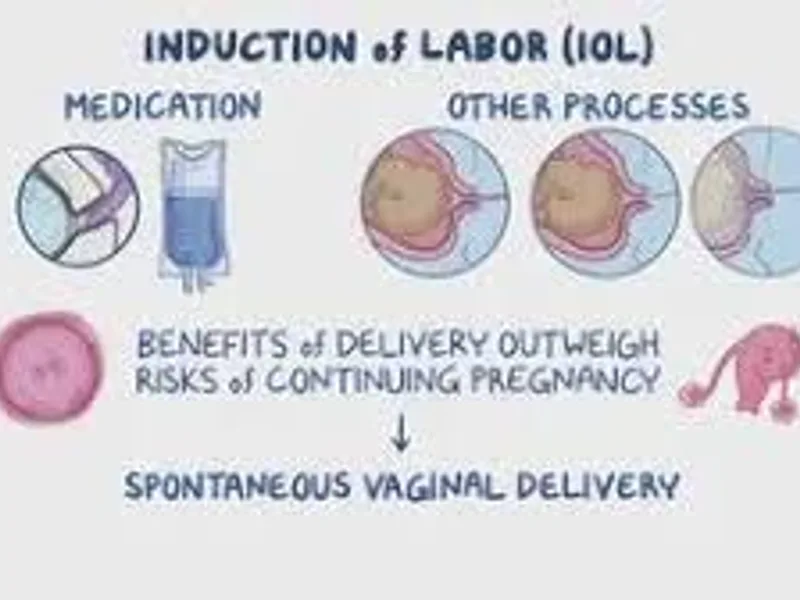
If you’re close to your due date and feeling stuck in waiting mode, this breaks down induction of labor methods in a way that actually makes sense. No jargon, no fluff—just what works, what doesn’t, and what it really feels like from a human perspective.
May 20, 2026