

Emergency & Help
24/7 Emergency & General Advisory
🚨 24/7 Medical Emergency
Non-Emergency Advisory
10:00 AM – 6:00 PM, Mon–Sat
For appointments & general queries.
24/7 Emergency & General Advisory
🚨 24/7 Medical Emergency
Non-Emergency Advisory
10:00 AM – 6:00 PM, Mon–Sat
For appointments & general queries.
Explore the pros and cons of exclusive breastfeeding versus exclusively pumping. Learn how to choose the best feeding method for your baby and your family's lifestyle in India.

As a new parent in India, you're often showered with advice about feeding your precious little one. One of the most discussed topics is how to nourish your baby: should you exclusively breastfeed, or is pumping a better option? Both methods have their unique advantages and challenges, and the 'best' choice isn't a one-size-fits-all answer. It depends entirely on your circumstances, your baby's needs, and your own well-being. We understand that navigating these decisions can feel overwhelming, especially with the constant flow of information. This guide aims to break down the pros and cons of exclusive breastfeeding and exclusive pumping, helping you make an informed choice that feels right for your family.
Exclusive breastfeeding means your baby receives only breast milk, directly from the breast, for the first six months of life, with no added formula, water, or other liquids. It’s the method often recommended by health professionals due to the numerous benefits breast milk offers. However, it's a commitment that requires significant time and dedication.
Exclusive pumping involves feeding your baby only expressed breast milk, typically given via a bottle or sometimes a feeding tube. This method allows you to provide breast milk without direct breastfeeding. Many mothers choose this path for various personal reasons.
While establishing breastfeeding is often the first step, there are situations where introducing pumping earlier than 4-6 weeks might be advised:
Choosing between breastfeeding and pumping isn't about picking the 'right' or 'wrong' method. It's about finding what works best for your unique situation. Consider the following:
A Real-Life Scenario: Priya, a working mother from Mumbai, found exclusive breastfeeding exhausting due to her long commute and unpredictable work hours. After consulting with a lactation consultant, she decided to exclusively pump. This allowed her husband to feed their baby while she was at work, reducing her stress and ensuring the baby received breast milk. It wasn't easy, but it was the right balance for their family.
If you choose to pump:
If you choose to breastfeed:
Many mothers also find a combination of breastfeeding and pumping works well for them. The key is flexibility and understanding that your feeding journey may evolve over time.
Don't hesitate to seek professional help if you encounter any difficulties. You should consult a healthcare provider or a certified lactation consultant if:
Remember, providing your baby with breast milk, whether directly or pumped, is a wonderful gift. Your health and well-being are also paramount. Choose the path that allows you to nourish your baby while taking care of yourself.
Q1: Can I combine breastfeeding and pumping?
A1: Absolutely! Many mothers successfully combine both methods. For instance, you might breastfeed your baby in the morning and evening, and pump during the day if you need to be away or want to build a stash.
Q2: How much breast milk should my baby drink?
A2: This varies by age and individual baby. Generally, newborns might drink 1-3 ounces (30-90 ml) per feeding. Your doctor or lactation consultant can provide specific guidance based on your baby's weight and age.
Q3: How long can I store expressed breast milk?
A3: Freshly expressed milk can be stored at room temperature for up to 4 hours, in the refrigerator for up to 4 days, and in the freezer for 6 to 12 months. Always follow safe milk storage guidelines.
Q4: Is exclusively pumping as good for my baby as exclusive breastfeeding?
A4: Both methods provide the benefits of breast milk. Exclusive pumping ensures your baby receives breast milk, but it may miss out on some of the unique immunological benefits that come from direct skin-to-skin contact and saliva transfer during breastfeeding. However, providing breast milk via bottle is still highly beneficial.
Q5: What if my milk supply drops?
A5: Frequent milk removal (nursing or pumping), staying hydrated, eating a balanced diet, and managing stress can help. Sometimes, seeking advice from a lactation consultant is necessary.
Visit Hospital
Near You
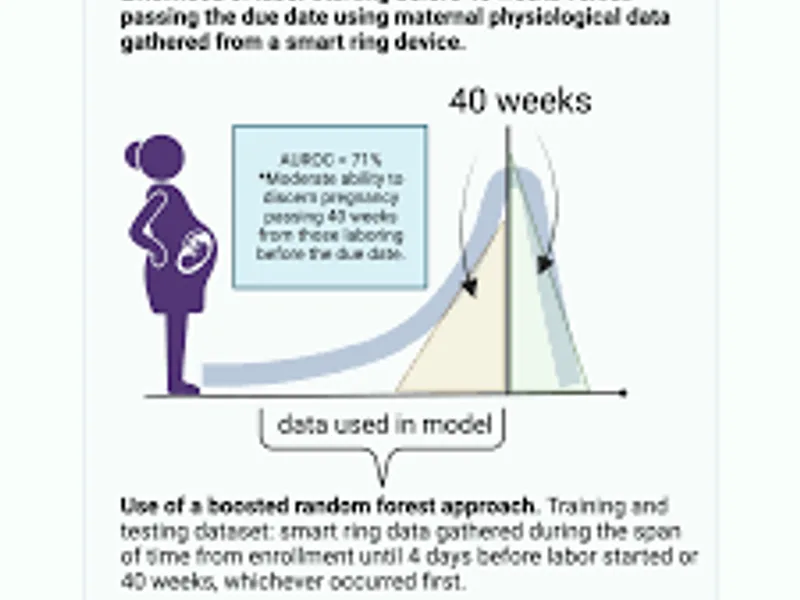
Going past your due date can feel like being stuck in a waiting room with no clock. This guide walks you through what actually happens during monitoring after due date pregnancy — the tests, the decisions, and the emotions nobody really prepares you for.
May 20, 2026
Going past your due date can feel like being stuck in a waiting room with no clock. This guide walks you through what actually happens during monitoring after due date pregnancy — the tests, the decisions, and the emotions nobody really prepares you for.
May 20, 2026
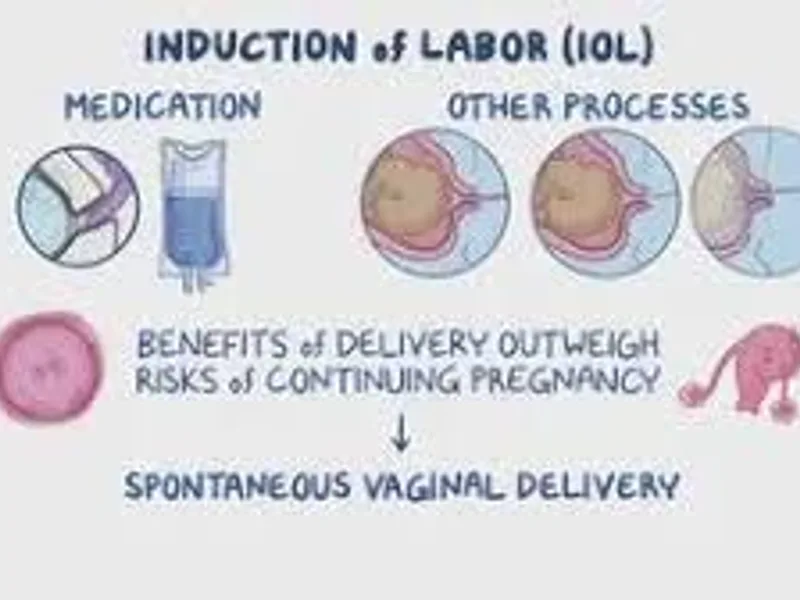
If you’re close to your due date and feeling stuck in waiting mode, this breaks down induction of labor methods in a way that actually makes sense. No jargon, no fluff—just what works, what doesn’t, and what it really feels like from a human perspective.
May 20, 2026