

Emergency & Help
24/7 Emergency & General Advisory
🚨 24/7 Medical Emergency
Non-Emergency Advisory
10:00 AM – 6:00 PM, Mon–Sat
For appointments & general queries.
24/7 Emergency & General Advisory
🚨 24/7 Medical Emergency
Non-Emergency Advisory
10:00 AM – 6:00 PM, Mon–Sat
For appointments & general queries.
Learn about the safety, benefits, and practical tips for Indian mothers breastfeeding while pregnant. Understand nutritional needs and when to consult a doctor.

Discovering you're pregnant while still breastfeeding your older child can bring a mix of emotions – excitement, surprise, and perhaps a little worry. It's a situation many Indian mothers find themselves in, and you're not alone! This guide is here to provide clear, practical information about continuing to breastfeed during pregnancy, addressing safety, benefits, and what to expect. We'll help you navigate this unique journey with confidence.
The short answer is yes, for most healthy pregnancies. The American Academy of Family Physicians confirms that breastfeeding during pregnancy is not unusual. If you have a healthy pregnancy, the decision to continue or to wean is ultimately yours. Many women successfully breastfeed their older child throughout their pregnancy. There are even benefits to breastfeeding toddlers, which can be a reason for mothers to choose to continue.
While safe, breastfeeding during pregnancy does come with its own set of challenges. Pregnancy itself can be physically and emotionally demanding. Continuing to breastfeed can amplify these demands. Here's what you might experience:
You might experience:
Despite the challenges, many mothers choose to continue breastfeeding for several good reasons:
Pregnancy and breastfeeding require significant extra calories. Your body needs fuel to support your growing baby, your own body's changes, and milk production. Here’s a general guideline:
Don't worry if this sounds like a lot of food. You'll likely find your appetite increases naturally to meet these demands. Focus on nutrient-dense foods like whole grains, lean proteins, fruits, vegetables, and healthy fats.
Real-life scenario: Priya, a 30-year-old mother in Delhi, discovered she was pregnant again just as her son, Rohan, turned 18 months and was still breastfeeding twice a day. She felt overwhelmed thinking about the extra energy demands and worried if it was safe for her unborn baby. After talking to her doctor, she understood her increased hunger was normal and focused on adding milk, fruits, and nuts to her diet to meet the caloric needs.
If you decide to continue breastfeeding, here are some practical tips:
While generally safe, you should always consult your doctor or a lactation consultant if you experience any of the following:
The hormone oxytocin released during breastfeeding can cause uterine contractions. However, in a healthy, low-risk pregnancy, these contractions are usually mild and unlikely to cause a miscarriage. If you have a history of preterm labor or miscarriage, discuss this concern with your doctor.
As your pregnancy progresses, your milk composition and quantity may change. Your body prioritizes the developing fetus. However, breast milk remains a valuable source of nutrition and comfort. Your doctor can help assess if your older child is meeting their nutritional needs through other foods.
This is quite common. If your child refuses the milk, don't force it. Continue to offer, but focus on ensuring they are getting adequate nutrition from solid foods. This might be your child's natural way of transitioning.
Navigating pregnancy while breastfeeding is a unique experience. By staying informed, listening to your body, and maintaining open communication with your healthcare provider, you can make the best choices for yourself and your children.
Visit Hospital
Near You
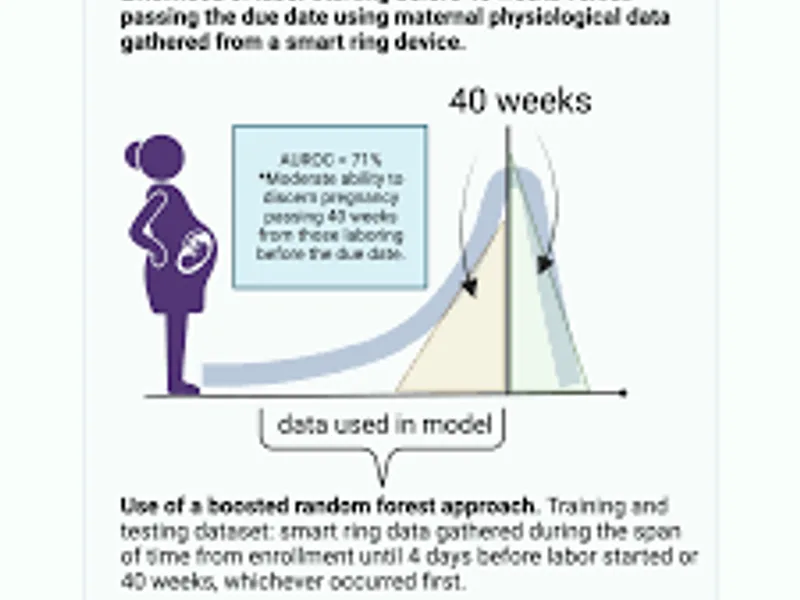
Going past your due date can feel like being stuck in a waiting room with no clock. This guide walks you through what actually happens during monitoring after due date pregnancy — the tests, the decisions, and the emotions nobody really prepares you for.
May 20, 2026
Going past your due date can feel like being stuck in a waiting room with no clock. This guide walks you through what actually happens during monitoring after due date pregnancy — the tests, the decisions, and the emotions nobody really prepares you for.
May 20, 2026
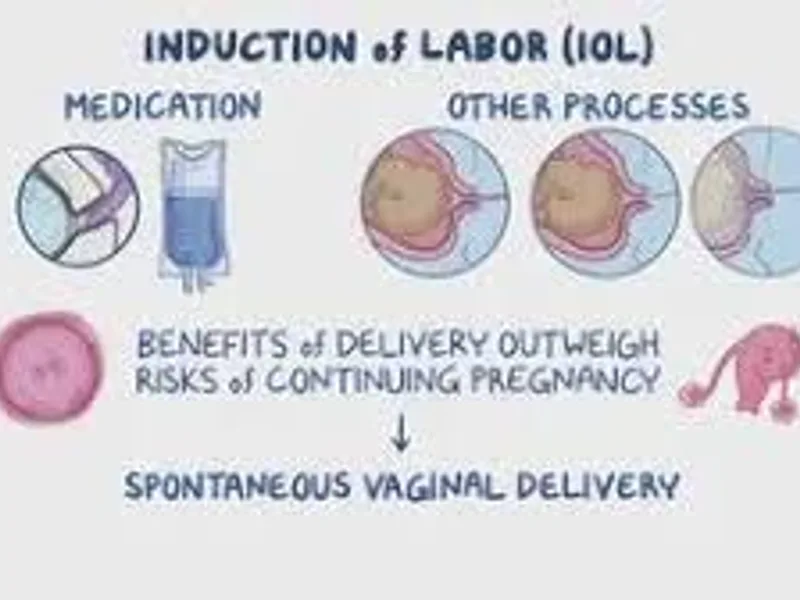
If you’re close to your due date and feeling stuck in waiting mode, this breaks down induction of labor methods in a way that actually makes sense. No jargon, no fluff—just what works, what doesn’t, and what it really feels like from a human perspective.
May 20, 2026