

Emergency & Help
24/7 Emergency & General Advisory
🚨 24/7 Medical Emergency
Non-Emergency Advisory
10:00 AM – 6:00 PM, Mon–Sat
For appointments & general queries.
24/7 Emergency & General Advisory
🚨 24/7 Medical Emergency
Non-Emergency Advisory
10:00 AM – 6:00 PM, Mon–Sat
For appointments & general queries.
Learn if it's safe to breastfeed your baby when you're feeling under the weather. Discover how your breast milk provides protection and what precautions to take.
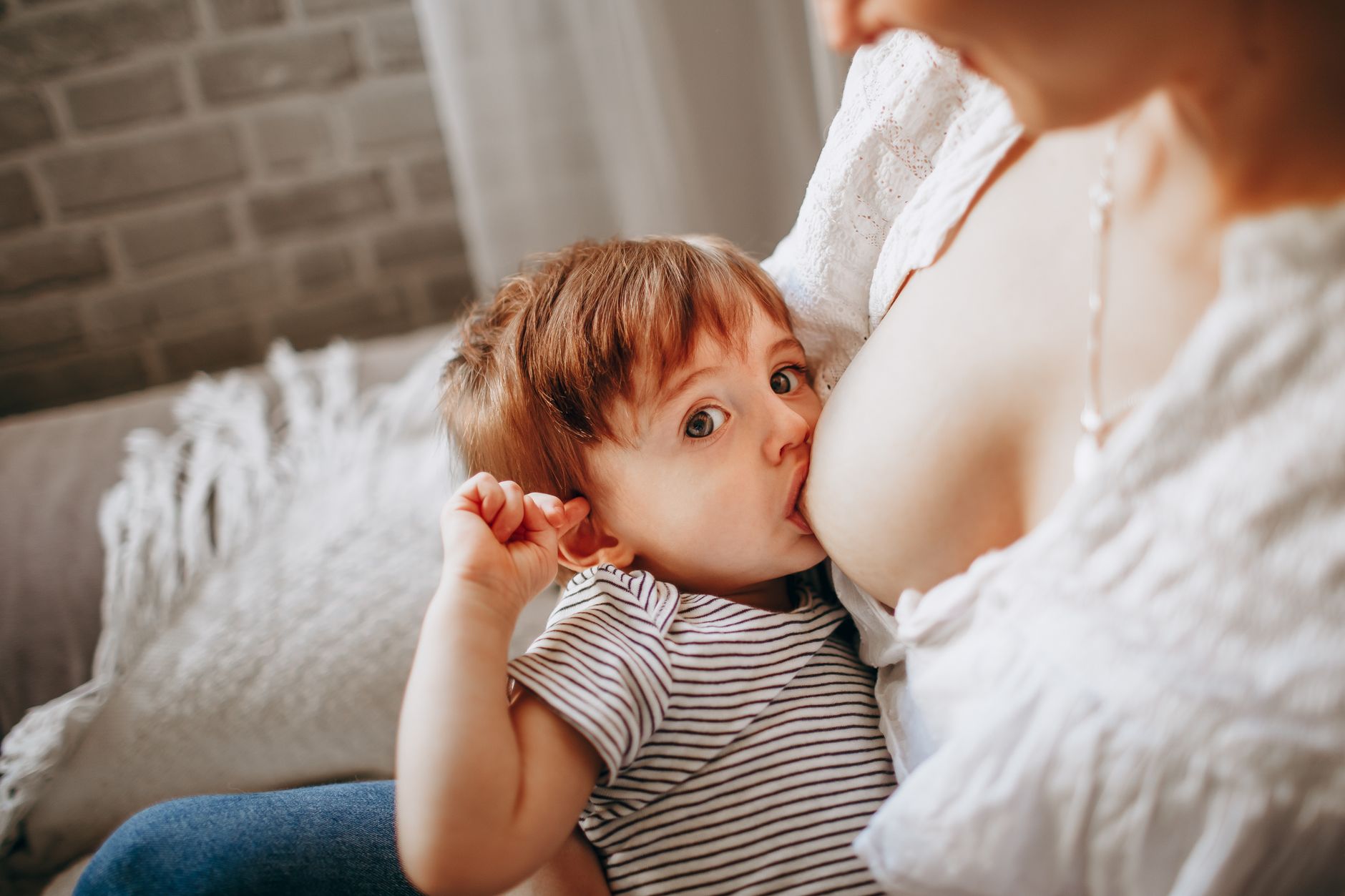
Being a nursing mother is a demanding job, and when you fall ill, it can feel overwhelming. You don't get a break to rest and recover, and your parental duties continue 24/7. It's natural to worry about your baby's health, especially when you're the one feeling unwell. A common question that arises is: "Can I safely breastfeed my baby if I'm sick?" The good news is that in most situations, the answer is a resounding yes, and it's often beneficial for your little one.
When you come into contact with a virus or bacteria, your body springs into action. It produces antibodies specifically designed to fight off that particular illness. These vital antibodies travel into your breast milk. When your baby nurses, they receive a dose of these protective antibodies. This can help your baby fight off the infection if they've already been exposed, or even prevent them from getting sick altogether.
Think of it like this: your body is your baby's first and most powerful shield against germs. Even if you haven't been diagnosed with a specific illness, exposure to common viruses like the flu or even different strains of coronaviruses can lead your body to create antibodies that might offer cross-protection to your baby.
If you're suffering from a common cold or the flu, you can continue breastfeeding as usual. Your baby is unlikely to catch these illnesses through your breast milk. In fact, by breastfeeding, you're providing them with antibodies that can help protect them from getting sick or reduce the severity of their symptoms if they do contract the virus. Your body has already started producing defenses against the cold or flu virus, and your milk is delivering those defenses directly to your baby.
Nausea, vomiting, and diarrhea are unpleasant for anyone, but these symptoms don't typically spread through breast milk. Just as with colds and the flu, your breast milk contains immune factors and antibodies that can help protect your infant from gastrointestinal infections. Studies have shown that babies who are breastfed often have a lower risk of developing these types of infections. However, if you are experiencing severe vomiting or diarrhea, it's crucial to stay hydrated and rest as much as possible. If you feel too unwell to breastfeed directly, pumping your milk and having someone else feed it to your baby can be a good alternative.
The situation with COVID-19 has been a significant concern for many new parents. Early research suggests that the SARS-CoV-2 virus, which causes COVID-19, is not transmitted through breast milk. While there is still much to learn, some studies have indicated that antibodies found in breast milk could potentially offer passive immunity to infants. These antibodies might even be effective against SARS-CoV-2 due to prior exposure to other coronaviruses. The Centers for Disease Control and Prevention (CDC) notes that while it's not definitively known if mothers with COVID-19 can spread the virus to their babies via breast milk, the available data suggests this is unlikely. If you have COVID-19 and a newborn, you might consider temporary separation, but if you choose to continue breastfeeding, rigorous handwashing before each feeding and pumping sessions is essential.
While breastfeeding is generally safe and recommended, there are a few specific situations where you might need to take extra precautions or consult a healthcare professional:
Taking care of a baby while you're sick is challenging. Here are some practical tips to help you manage:
While breastfeeding while sick is usually safe, it's always wise to consult a healthcare professional if you have any concerns. You should seek medical advice if:
Remember, you are doing a great job. Navigating illness as a nursing parent is tough, but by staying informed and taking care of yourself, you can continue to provide the best for your baby.
A: No, your baby cannot catch a cold through your breast milk. In fact, your breast milk contains antibodies that can help protect your baby from the cold virus.
A: Yes, it is safe to breastfeed if you have a stomach bug. Your breast milk provides protective antibodies that can help your baby fight off gastrointestinal infections.
A: Current evidence suggests that COVID-19 is not transmitted through breast milk. It is generally considered safe to continue breastfeeding, but practice excellent hygiene, including frequent handwashing and considering wearing a mask. Consult your doctor for personalized advice.
A: If you are too unwell to breastfeed directly, you can pump your breast milk. This allows your baby to receive the benefits of your milk, and another caregiver can feed it to your baby. Pumping also helps maintain your milk supply.
Visit Hospital
Near You

Going past your due date can feel like being stuck in a waiting room with no clock. This guide walks you through what actually happens during monitoring after due date pregnancy — the tests, the decisions, and the emotions nobody really prepares you for.
May 20, 2026
Going past your due date can feel like being stuck in a waiting room with no clock. This guide walks you through what actually happens during monitoring after due date pregnancy — the tests, the decisions, and the emotions nobody really prepares you for.
May 20, 2026

If you’re close to your due date and feeling stuck in waiting mode, this breaks down induction of labor methods in a way that actually makes sense. No jargon, no fluff—just what works, what doesn’t, and what it really feels like from a human perspective.
May 20, 2026