

Emergency & Help
24/7 Emergency & General Advisory
🚨 24/7 Medical Emergency
Non-Emergency Advisory
10:00 AM – 6:00 PM, Mon–Sat
For appointments & general queries.
24/7 Emergency & General Advisory
🚨 24/7 Medical Emergency
Non-Emergency Advisory
10:00 AM – 6:00 PM, Mon–Sat
For appointments & general queries.
Explore how diet might influence the sex of your baby, with a focus on conceiving a girl. Learn about key minerals, popular theories, and practical dietary tips for Indian readers.

Many couples dream of having a child and often wonder if there are ways to influence the sex of their baby. While the fundamental determination of a baby's sex lies with the chromosomes contributed by the sperm (X for a girl, Y for a boy), some research and theories suggest that maternal diet might play a role. This article explores the current scientific understanding, popular theories, and practical dietary considerations for couples hoping to conceive a girl. It's important to remember that while these approaches may offer insights, they are not guaranteed methods, and the most important aspect of trying to conceive is maintaining a healthy lifestyle for both partners. Understanding the Science of Sex Determination Before diving into dietary influences, let's briefly touch upon how a baby's sex is determined. Every human cell contains chromosomes, which are like tiny instruction manuals for our bodies. Females typically have two X chromosomes (XX), while males typically have one X and one Y chromosome (XY). During conception, the mother always contributes an X chromosome. The father's sperm, however, can contribute either an X or a Y chromosome. If the sperm contributes an X chromosome, the resulting combination is XX, leading to a girl. If the sperm contributes a Y chromosome, the combination is XY, resulting in a boy. This chromosomal contribution from the sperm is the primary factor in determining a baby's sex. Dietary Theories for Conceiving a Girl While chromosomes are the definitive factor, some studies and anecdotal evidence suggest that a mother's diet might subtly influence the environment in which sperm and egg meet, potentially favouring one type of sperm over another. The prevailing theories often revolve around mineral intake and overall calorie consumption. The Role of Minerals: Calcium and Magnesium One notable study from 2010 suggested a link between a diet rich in calcium and magnesium and an increased chance of conceiving a girl. This research indicated that women who adhered to a specific diet high in these minerals, combined with precise timing of intercourse around ovulation, reported a higher success rate in conceiving a girl. Foods rich in calcium and magnesium include: Dairy Products: Milk, yogurt, cheese are excellent sources of calcium. Leafy Green Vegetables: Spinach, kale, and other dark leafy greens provide both calcium and magnesium. Nuts and Seeds: Almonds, cashews, pumpkin seeds, and sunflower seeds are good sources of magnesium. Whole Grains: Brown rice, oats, and quinoa offer magnesium. Seafood: Sardines and canned salmon (especially with bones) are good for calcium, and many types of fish provide magnesium. The idea behind this mineral-rich diet is that it might alter the vaginal environment in a way that is more conducive to the survival and motility of 'girl' sperm (X-chromosome carrying sperm), which are thought to be slower but more resilient than 'boy' sperm (Y-chromosome carrying sperm). Calorie Intake and Sex Selection Conversely, some research has explored the link between higher calorie intake and the likelihood of conceiving a boy. A 2008 study observed that mothers who consumed higher-calorie diets tended to have sons. Researchers hypothesized that this could be related to blood glucose levels; higher glucose levels might create an environment more favourable to sperm carrying the Y chromosome. This suggests that if the goal is to conceive a girl, a more moderate calorie intake might be considered. However, it's crucial not to drastically reduce calorie intake, as adequate nutrition is vital for fertility and a healthy pregnancy. Popular Methods and Timing of Intercourse Beyond diet, several popular theories, like the Shettles Method and Whelan's Method, focus on the timing of intercourse relative to ovulation. These methods are based on the idea that male and female sperm have different lifespans and motility characteristics. The Shettles Method Developed in the 1950s, the Shettles Method suggests that to increase the chances of conceiving a girl, couples should have intercourse about 2 to 4 days before ovulation. The rationale is that the Y-sperm are faster but shorter-lived, while X-sperm are slower but can survive longer. By having intercourse several days before ovulation, the faster Y-sperm may die off before the egg is released, leaving the more resilient X-sperm to fertilize the egg. Dr. Shettles claimed a 75% success rate for this method, but it's important to note that there is currently no robust scientific research confirming its effectiveness in humans. Whelan's Method Whelan's Method offers a slightly different approach, suggesting intercourse 2 to 3 days before ovulation or on the day of ovulation to conceive a girl. This method also aims to leverage the different characteristics of X and Y sperm, with a claimed success rate of 57%. Again, scientific validation for this method is limited. The Babydust Method This method involves a more scientific approach to tracking ovulation. For three months prior to trying to conceive, women track their luteinizing hormone (LH) surge twice daily. An LH surge indicates that ovulation is imminent (within 12 to 48 hours), allowing for more precise prediction of the fertile window. The Babydust Method then recommends intercourse once, 2 to 3 days before ovulation, to give the X-sperm an advantage. Practical Dietary Advice for Indian Readers When considering dietary changes to influence the sex of your baby, it's essential to focus on overall health and well-being. For Indian readers, this means incorporating nutrient-dense foods that are readily available and align with traditional dietary patterns where possible, while ensuring adequate intake of key minerals. Foods to Emphasize for Conceiving a Girl: Dairy: Include regular servings of curd (dahi), paneer, milk, and buttermilk. These are staples in many Indian diets and are rich in calcium. Green Leafy Vegetables: Incorporate palak (spinach), methi (fenugreek leaves), drumstick leaves (moringa), and other seasonal greens into your meals like sabzis or dals. Whole Grains: Choose whole wheat atta for rotis, brown rice, oats, and millets like ragi and jowar. Legumes and Lentils: Dal, chana (chickpeas), rajma (kidney beans) are excellent sources of magnesium and fibre. Nuts and Seeds: A small handful of almonds, walnuts, and pumpkin seeds daily can provide magnesium. Seafood: If you consume seafood, include fish like sardines (locally known as pedvey or tarli) and mackerel (bangda) regularly. Foods to Moderate: While not strictly 'foods to avoid,' consider moderating intake of highly processed foods, sugary drinks, and excessive amounts of red meat, which are often associated with higher calorie diets and could, according to some theories, favour male conception. Focus on whole, unprocessed foods. A Real-Life Scenario Consider Priya and Rohan, a couple from Delhi who are trying to conceive their second child. They have a son and are hoping for a daughter this time. Priya, who loves sweets and often snacks on biscuits and chocolates, decides to make some changes. She starts her day with a bowl of yogurt and fruits, includes a variety of dals and leafy green sabzis in her lunch and dinner, and snacks on a small portion of almonds and walnuts. She also discusses ovulation tracking with her doctor to time intercourse appropriately. This conscious effort to adjust her diet and lifestyle is their way of trying to influence the outcome, alongside accepting whatever nature brings. Important Considerations and When to Consult a Doctor It is vital to approach these theories with a balanced perspective. The most important goal when trying to conceive is the health of both partners and the eventual baby. A healthy, balanced diet is paramount for fertility, regardless of the desired sex of the baby. Key Points to Remember: Focus on Overall Health: Ensure your diet is rich in fruits, vegetables, whole grains, lean proteins, and healthy fats. Stay Hydrated: Drink plenty of water throughout the day. Maintain a Healthy Weight: Being underweight or overweight can affect fertility. Limit Caffeine and Alcohol: Moderate intake is advised when trying to conceive. Consult Healthcare Professionals: Before making drastic dietary changes, especially if you have any underlying health conditions, it's essential to consult your doctor or a registered dietitian. They can provide personalized advice to ensure your nutritional needs are met and that your efforts are safe and healthy. When to Consult a Doctor: If you have been trying to conceive for over a year (or six months if you are over 35) without success. If you have any concerns about your fertility or overall reproductive health. If you have pre-existing medical conditions like PCOS, thyroid issues, or diabetes, as these can affect fertility and pregnancy. Before starting any new supplements or making significant dietary changes, especially if you are pregnant or trying to become pregnant. Frequently Asked Questions (FAQ) Q1: Is it possible to guarantee the sex of my baby through diet? A1: No, there is no scientifically proven method to guarantee the sex of your baby. While some studies and theories suggest dietary influences, they are not conclusive, and the chromosomal contribution from sperm remains the primary determinant. Q2: Should I drastically change my diet if I want to conceive a girl? A2: No, drastic changes are not recommended. Focus on a balanced, nutrient-rich diet that supports overall health
In summary, timely diagnosis, evidence-based treatment, and prevention-focused care improve long-term health outcomes.
Visit Hospital
Near You
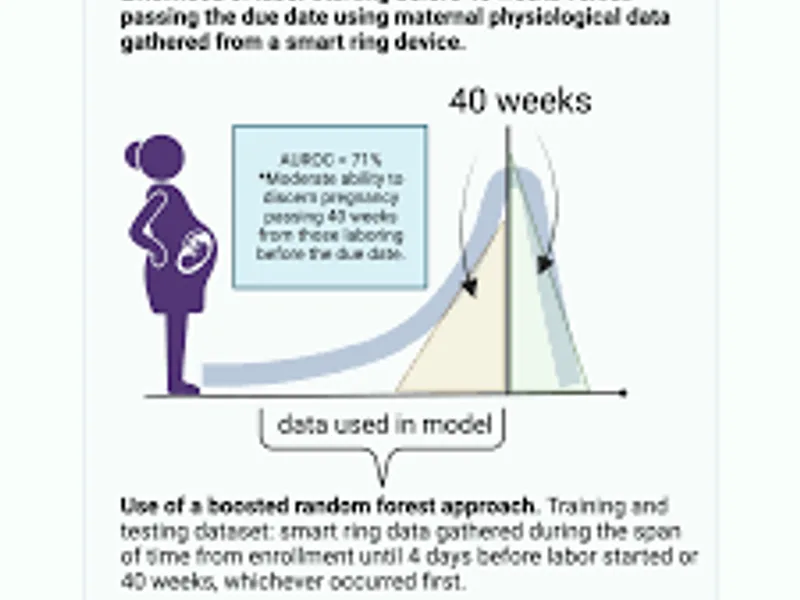
Going past your due date can feel like being stuck in a waiting room with no clock. This guide walks you through what actually happens during monitoring after due date pregnancy — the tests, the decisions, and the emotions nobody really prepares you for.
May 20, 2026
Going past your due date can feel like being stuck in a waiting room with no clock. This guide walks you through what actually happens during monitoring after due date pregnancy — the tests, the decisions, and the emotions nobody really prepares you for.
May 20, 2026
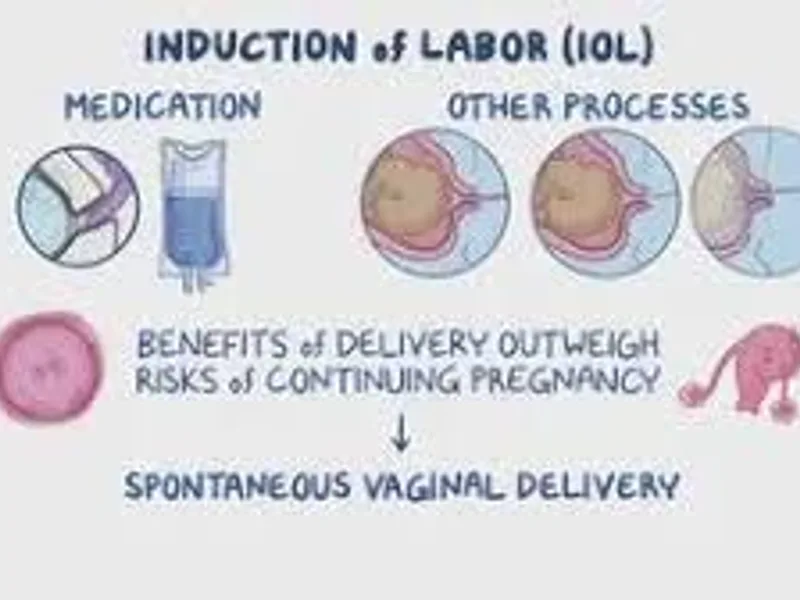
If you’re close to your due date and feeling stuck in waiting mode, this breaks down induction of labor methods in a way that actually makes sense. No jargon, no fluff—just what works, what doesn’t, and what it really feels like from a human perspective.
May 20, 2026