

Emergency & Help
24/7 Emergency & General Advisory
🚨 24/7 Medical Emergency
Non-Emergency Advisory
10:00 AM – 6:00 PM, Mon–Sat
For appointments & general queries.
24/7 Emergency & General Advisory
🚨 24/7 Medical Emergency
Non-Emergency Advisory
10:00 AM – 6:00 PM, Mon–Sat
For appointments & general queries.
Understand how much pressure your pregnant belly can safely handle. Learn about your body's natural protections and when to seek medical advice.

Carrying a baby is a miraculous journey, filled with wonder and, let's be honest, a fair bit of clumsiness! As your belly grows, you might find yourself wondering, "How much pressure can my pregnant belly actually take?" It's a common concern, especially if you have other children, pets, or just a knack for bumping into things. You might have heard stories or felt a pang of worry when your toddler excitedly jumps on your lap, or when you accidentally knock your bump against a doorframe. This isn't about being overly anxious; it's about understanding your body and protecting the precious life growing within. Let's navigate this together, shall we? We'll explore what your amazing body does to keep your baby safe, the real risks (and what's usually not a risk at all), and how to feel more confident during this special time.
Think of your pregnant belly as a beautifully engineered protective system. It’s not just a simple outward expansion; it’s a complex environment designed to nurture and shield your developing baby. For centuries, women have carried on with their daily lives – working fields, traveling, and caring for families – all while pregnant. This resilience isn't accidental. Your body is incredibly capable!
At the core of this protection is your uterus. This muscular organ is remarkably strong and elastic. It expands dramatically throughout pregnancy to accommodate your growing baby, but it also provides a robust, muscular wall that acts as a primary barrier against external forces.
Imagine your baby floating in a cozy, protective bubble. That's essentially what the amniotic fluid does. This fluid acts as a natural shock absorber, cushioning your baby from bumps and jolts. Like a miniature waterbed, it distributes pressure evenly, significantly reducing the direct impact on your little one.
As your pregnancy progresses, you gain weight. This isn't just about the baby; your body also develops a protective layer of fat. This extra tissue around your abdomen provides additional cushioning, offering another layer of defense against minor impacts.
It's easy to get worried about every little nudge, but it's important to distinguish between everyday occurrences and actual trauma. We're talking about two different scenarios here.
Bumping into a doorframe, a table corner, or even having your toddler accidentally lean on you – these are considered contact. Your body, with its built-in protective layers, is generally well-equipped to handle these everyday incidents without harming your baby. Think of it like this: your baby is snug inside a padded, fluid-filled sac, housed within a muscular organ. A light bump is unlikely to breach all those layers.
Trauma, on the other hand, refers to significant physical injury. This could include things like a car accident, a fall from a height, or a direct, forceful blow to the abdomen. These are the situations that pose a more serious risk and warrant immediate medical attention. While your body offers protection, it's not invincible.
Beyond direct impact, you might also question how much pressure your belly can withstand from lifting or external weight. This is where things can get a bit more nuanced.
If your toddler or a pet (especially one over 40 pounds) jumps on you, it's not just about the weight; it's about the sudden force. While your body has protective mechanisms, a significant, sudden impact from a heavier child or pet could potentially cause discomfort or, in rarer cases, concern. It's wise to gently redirect them if possible, especially as your pregnancy advances.
What constitutes
This section adds practical context and preventive advice to help readers make informed healthcare decisions. It is important to verify symptoms early, consult qualified doctors, and avoid self-medication for persistent health issues.
Maintaining healthy routines, following prescribed treatment plans, and attending regular checkups can improve outcomes. If symptoms worsen or red-flag signs appear, immediate medical evaluation is recommended.
Track symptoms and duration.
Follow diagnosis and treatment from a licensed practitioner.
Review medication side effects with your doctor.
Seek urgent care for severe warning signs.
Visit Hospital
Near You
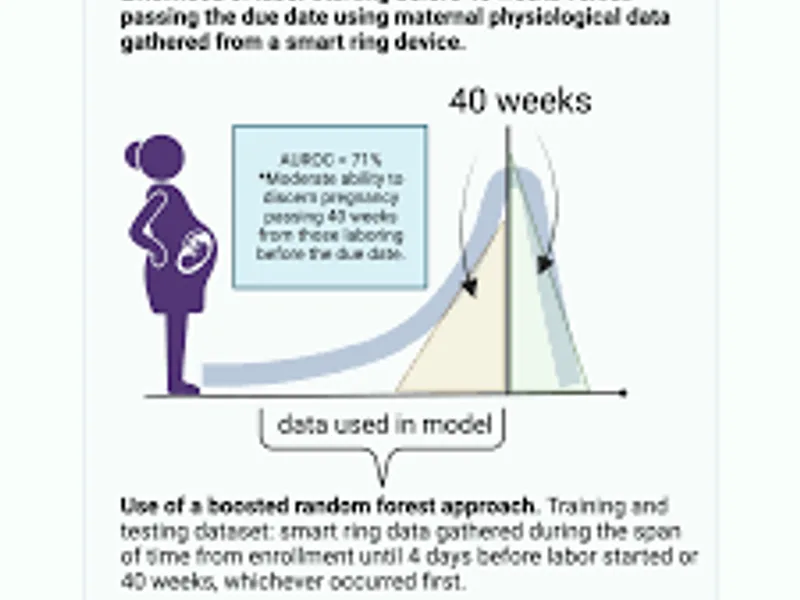
Going past your due date can feel like being stuck in a waiting room with no clock. This guide walks you through what actually happens during monitoring after due date pregnancy — the tests, the decisions, and the emotions nobody really prepares you for.
May 20, 2026
Going past your due date can feel like being stuck in a waiting room with no clock. This guide walks you through what actually happens during monitoring after due date pregnancy — the tests, the decisions, and the emotions nobody really prepares you for.
May 20, 2026
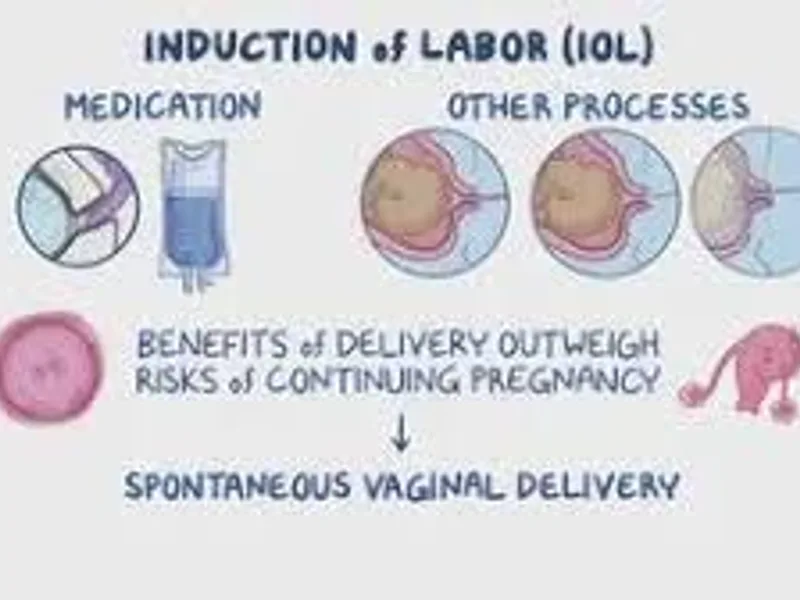
If you’re close to your due date and feeling stuck in waiting mode, this breaks down induction of labor methods in a way that actually makes sense. No jargon, no fluff—just what works, what doesn’t, and what it really feels like from a human perspective.
May 20, 2026