

Emergency & Help
24/7 Emergency & General Advisory
🚨 24/7 Medical Emergency
Non-Emergency Advisory
10:00 AM – 6:00 PM, Mon–Sat
For appointments & general queries.
24/7 Emergency & General Advisory
🚨 24/7 Medical Emergency
Non-Emergency Advisory
10:00 AM – 6:00 PM, Mon–Sat
For appointments & general queries.
Discover if eggnog is safe during pregnancy. Learn about the risks of alcohol and raw eggs, and how to enjoy this festive drink safely with pasteurized ingredients and alcohol-free options.

The holiday season often brings beloved traditions, and for many, that includes a creamy, spiced cup of eggnog. But if you're expecting, you might pause and wonder, "Is eggnog safe for me and my baby?" It's a valid question, as pregnancy brings a new awareness to everything you consume. The good news is that enjoying eggnog during pregnancy is often possible, but it requires being mindful of a few key ingredients and preparation methods. This guide will walk you through the safety considerations so you can make informed choices and perhaps even savor a festive drink.
Eggnog's appeal lies in its rich, smooth texture and warm spices. However, its traditional preparation can present potential risks for pregnant individuals. Two primary concerns stand out: the presence of alcohol and the use of raw or unpasteurized eggs.
This is perhaps the most critical point. The Centers for Disease Control and Prevention (CDC) and numerous health organizations unequivocally state that no amount of alcohol is considered safe during pregnancy. Alcohol consumed by the mother passes directly to the developing baby through the umbilical cord. This can lead to a range of serious and lifelong developmental issues collectively known as Fetal Alcohol Spectrum Disorders (FASD). FASD can manifest in various ways, including physical abnormalities, learning disabilities, behavioral problems, and developmental delays. Therefore, any eggnog containing alcohol is off-limits. If you're at a party or a gathering, it's perfectly acceptable and wise to ask about the ingredients before taking a sip. When in doubt, it's always best to skip it.
Many classic eggnog recipes call for raw or unpasteurized eggs. While these contribute to the desirable texture and richness, they also pose a risk of carrying harmful bacteria, most notably Salmonella. Pregnant women have a slightly altered immune system, making them more susceptible to foodborne illnesses. A Salmonella infection during pregnancy can be particularly dangerous, increasing the risk of complications such as preterm labor, miscarriage, or even stillbirth. This is a serious concern that cannot be overlooked.
The key to enjoying eggnog while pregnant lies in ensuring it meets specific safety standards. Fortunately, commercial eggnog producers and mindful home cooks often adhere to these guidelines.
The safest eggnog for pregnant women is made with pasteurized eggs or eggs that have been thoroughly cooked. Pasteurization is a process that heats eggs to a specific temperature to kill harmful bacteria without actually cooking them. If you are buying eggnog from a store, look for labels that clearly state "pasteurized eggs." If you're making your own, you have a couple of options:
This might seem obvious, but it's worth reiterating. Always choose eggnog that is explicitly labeled as "non-alcoholic" or "virgin." If you are unsure about the preparation of homemade eggnog at a social event, it is best to avoid it. A simple, polite question about the ingredients is always appropriate.
Imagine you're at your office holiday party, and a festive pitcher of eggnog is being passed around. You know your colleagues made it themselves. While you'd love a taste, you remember your doctor's advice about raw eggs. Instead of just taking a glass, you politely ask the host, "This looks delicious! Did you use pasteurized eggs or cook the mixture?" The host might not know, so in this situation, it's safest to decline and perhaps bring your own safe, pre-packaged, non-alcoholic, pasteurized eggnog next time.
While not a primary ingredient in traditional eggnog, some modern recipes or commercially prepared versions might include a small amount of coffee or other caffeinated ingredients. The American College of Obstetricians and Gynecologists (ACOG) recommends limiting caffeine intake to no more than 200 milligrams per day during pregnancy. If you're consuming other caffeinated beverages like tea or coffee, be mindful of your total intake, including any potential caffeine in your eggnog.
Eggnog is typically high in calories, sugar, and fat due to its ingredients like cream, milk, sugar, and eggs. While it does provide some calcium and protein, it's not a primary source of essential nutrients during pregnancy. Pregnant women need a balanced diet rich in fruits, vegetables, lean proteins, and whole grains. Enjoying eggnog should be in moderation as a festive treat, rather than a staple beverage.
While this guide provides general information, every pregnancy is unique. If you have specific concerns about consuming eggnog or any other food or beverage during your pregnancy, always consult your healthcare provider. They can offer personalized advice based on your health history and current condition.
Yes, generally you can, provided it is explicitly labeled as non-alcoholic and made with pasteurized eggs. Always check the ingredients list.
If you accidentally consumed a small amount of eggnog containing alcohol, try not to panic. Inform your healthcare provider about the situation. They can assess any potential risks and provide guidance.
Use pasteurized eggs or cook your egg mixture thoroughly to an internal temperature of 160°F (71°C). Ensure the recipe is strictly alcohol-free. Many recipes online specifically cater to pregnant women.
Yes, any amount of alcohol, including rum, in eggnog is harmful during pregnancy and should be avoided. Stick to alcohol-free versions.
Most people do not notice early warning signs right away. That is common. A simple symptom diary, basic routine checks, and timely follow-up visits can prevent small problems from becoming serious.
If you are already on treatment, stay consistent with medicines and lifestyle advice. If your symptoms change, do not guess. Check with a qualified doctor and update your plan early.
Write down symptoms, triggers, and timing for a few days.
Carry old prescriptions and test reports to your consultation.
Ask clearly about side effects, red-flag signs, and follow-up dates.
Seek urgent care for severe pain, breathing trouble, bleeding, fainting, or sudden worsening.
Visit Hospital
Near You
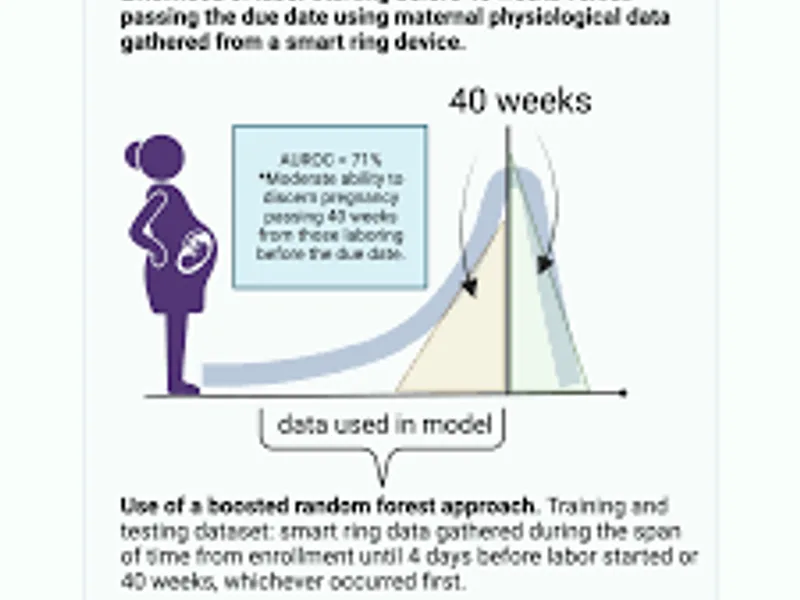
Going past your due date can feel like being stuck in a waiting room with no clock. This guide walks you through what actually happens during monitoring after due date pregnancy — the tests, the decisions, and the emotions nobody really prepares you for.
May 20, 2026
Going past your due date can feel like being stuck in a waiting room with no clock. This guide walks you through what actually happens during monitoring after due date pregnancy — the tests, the decisions, and the emotions nobody really prepares you for.
May 20, 2026
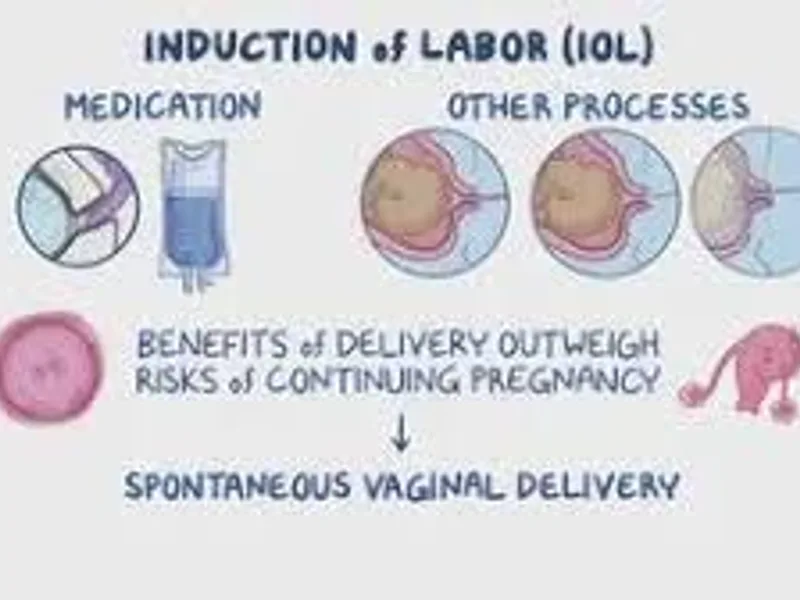
If you’re close to your due date and feeling stuck in waiting mode, this breaks down induction of labor methods in a way that actually makes sense. No jargon, no fluff—just what works, what doesn’t, and what it really feels like from a human perspective.
May 20, 2026