

Emergency & Help
24/7 Emergency & General Advisory
🚨 24/7 Medical Emergency
Non-Emergency Advisory
10:00 AM – 6:00 PM, Mon–Sat
For appointments & general queries.
24/7 Emergency & General Advisory
🚨 24/7 Medical Emergency
Non-Emergency Advisory
10:00 AM – 6:00 PM, Mon–Sat
For appointments & general queries.
Pregnant and craving mozzarella? Learn if this popular cheese is safe for you and your baby in India, focusing on pasteurization and nutritional benefits.

Pregnancy is a time of immense joy, but it also brings a whirlwind of questions, especially concerning your diet. As a mother-to-be in India, you're likely navigating a landscape of traditional advice mixed with modern recommendations. One question that often pops up, particularly for cheese lovers, is: "Can I eat mozzarella during pregnancy?" The thought of giving up your favorite pizza topping or the creamy delight in a Caprese salad can be disheartening. But fear not! The good news is that for the most part, you can indeed enjoy mozzarella while pregnant, with a few important caveats.
Before we dive into the delicious details of mozzarella, let's address the primary concern that surrounds soft cheeses during pregnancy: listeriosis. This is a foodborne illness caused by a bacteria called Listeria monocytogenes. Pregnant women are significantly more susceptible to listeriosis – about 10 times more likely than other healthy adults. Why is this so serious? Because listeria infection during pregnancy can lead to devastating complications. These can include miscarriage, stillbirth, premature labor, and even severe health problems or death for the newborn. The bacteria can cross the placenta and infect the baby. This is why health authorities worldwide, including those guiding us in India, emphasize caution with certain types of cheeses.
So, how do we keep this nasty bacteria at bay? The key lies in a process called pasteurization. Remember those science classes? Pasteurization involves heating milk or dairy products to a specific temperature for a set amount of time to kill harmful bacteria, including listeria. Most commercially produced cheeses, including mozzarella sold in reputable stores across India, are made using pasteurized milk. This process makes them safe to consume, even in their fresh, uncooked form.
Why is this critical for mozzarella? Because mozzarella, especially fresh mozzarella, is often classified as a soft cheese. Historically, unpasteurized soft cheeses have been flagged as potential sources of listeria. However, when mozzarella is made from pasteurized milk, the risk is dramatically reduced, making it a safe choice for pregnant women.
The golden rule for enjoying mozzarella during pregnancy is simple: Always choose mozzarella made from pasteurized milk.
Beyond safety, mozzarella offers several nutritional benefits that are particularly valuable during pregnancy. It's not just about satisfying cravings; it's about nourishing yourself and your growing baby!
While mozzarella is a good choice, like all foods, moderation is key. One aspect to be mindful of is its saturated fat content. A 1-ounce serving of whole milk mozzarella contains about 4 grams of saturated fat (around 20% of the daily value), and even part-skim versions contain about 3 grams (16%). While some fat is necessary, it's wise to balance your intake and opt for part-skim varieties if you're concerned about fat consumption.
Remember, portion control is essential. Enjoying a reasonable amount of pasteurized mozzarella is perfectly fine, but excessive consumption of any single food isn't ideal.
This is where the strict "no" comes in. If you encounter mozzarella that is explicitly labeled as being made from raw or unpasteurized milk, or if you're unsure about its source (perhaps from a local artisanal producer where pasteurization isn't guaranteed), it is best to avoid it entirely during pregnancy. The risk of listeria contamination is simply too high.
Furthermore, always use your common sense. If a block of mozzarella looks or smells off, or if it's been sitting in your refrigerator for an unusually long time, it's better to discard it than to risk your health.
While enjoying pasteurized mozzarella is generally safe, pregnancy is a time to be extra vigilant about your health. Always discuss your diet with your doctor or a registered dietitian, especially if you have any pre-existing health conditions or concerns.
Navigating dietary choices can be complex, especially when trying to balance traditional Indian cuisine with pregnancy guidelines. Here are a few tips:
So, can you eat mozzarella during pregnancy? Yes, absolutely! Just remember the golden rule: ensure it's made from pasteurized milk. Enjoy that cheesy goodness as part of a balanced and healthy diet, and have a wonderful, worry-free pregnancy journey!
A: Not all mozzarella is safe. Only mozzarella made from pasteurized milk is considered safe. Mozzarella made from raw or unpasteurized milk carries a risk of listeria contamination and should be avoided.
A: Yes, you can eat fresh mozzarella balls (like bocconcini or ciliegine) as long as they are made from pasteurized milk. Always check the label or inquire at the restaurant.
A: The primary risk is contracting listeriosis, a serious infection caused by Listeria bacteria. This infection can lead to miscarriage, stillbirth, premature birth, and severe health issues for the newborn.
A: Yes! Mozzarella is a good source of both calcium and protein, which are vital nutrients during pregnancy for both mother and baby's development.
A: If you suspect you have consumed unpasteurized cheese and are concerned, contact your doctor immediately. They can advise you on the next steps and monitor for any potential symptoms.
Visit Hospital
Near You
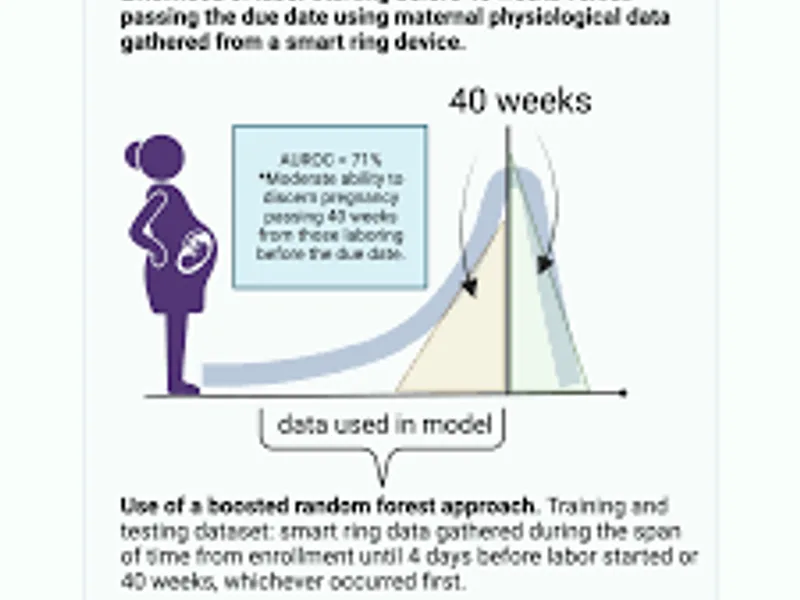
Going past your due date can feel like being stuck in a waiting room with no clock. This guide walks you through what actually happens during monitoring after due date pregnancy — the tests, the decisions, and the emotions nobody really prepares you for.
May 20, 2026
Going past your due date can feel like being stuck in a waiting room with no clock. This guide walks you through what actually happens during monitoring after due date pregnancy — the tests, the decisions, and the emotions nobody really prepares you for.
May 20, 2026
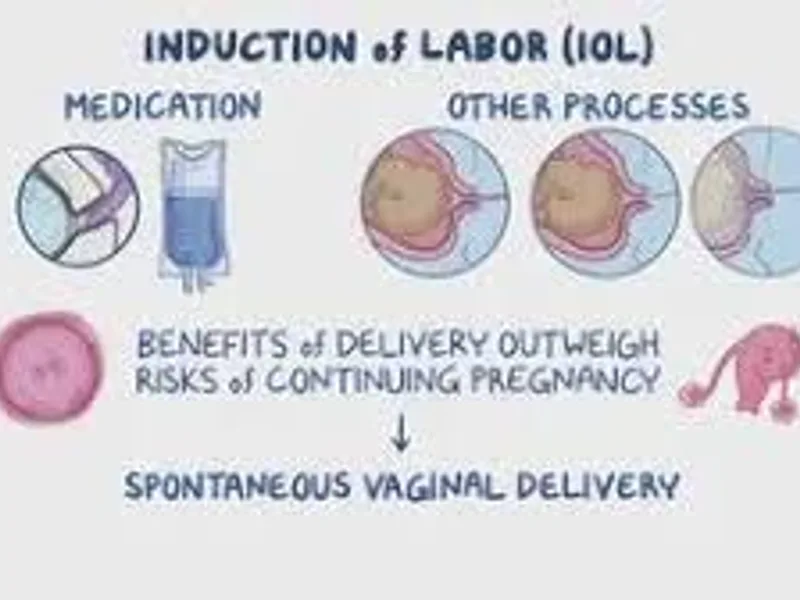
If you’re close to your due date and feeling stuck in waiting mode, this breaks down induction of labor methods in a way that actually makes sense. No jargon, no fluff—just what works, what doesn’t, and what it really feels like from a human perspective.
May 20, 2026