

Emergency & Help
24/7 Emergency & General Advisory
🚨 24/7 Medical Emergency
Non-Emergency Advisory
10:00 AM – 6:00 PM, Mon–Sat
For appointments & general queries.
24/7 Emergency & General Advisory
🚨 24/7 Medical Emergency
Non-Emergency Advisory
10:00 AM – 6:00 PM, Mon–Sat
For appointments & general queries.
Wondering if you can take a pregnancy test at night? Learn about the accuracy of nighttime tests, why morning is often preferred, and what to do with your results.

It’s a moment filled with anticipation and a whirlwind of emotions. You suspect you might be pregnant, and the urge to know the answer *right now* can be overwhelming. You’ve got a home pregnancy test handy, or perhaps you can grab one late in the evening. But then the question pops up: Can I take a pregnancy test at night and get an accurate result? It’s a common query, and we’re here to shed light on it.
Home pregnancy tests work by detecting a hormone called human chorionic gonadotropin (hCG) in your urine. This hormone is produced by the placenta shortly after conception, and its levels rise rapidly in the early weeks of pregnancy. By about 10 days after ovulation – which is typically around the time of your missed period – your hCG levels should be high enough for most tests to detect. While some tests claim to detect pregnancy even earlier, it's wise to be cautious about these claims, as accuracy can vary.
The general advice to take a pregnancy test in the morning isn’t without good reason. Here’s why it often leads to more reliable results:
Concentrated Urine: Overnight, while you’re sleeping, you typically don’t drink as much fluid or urinate as frequently. This means your urine is more concentrated in the morning. For early pregnancy detection, this concentrated urine is more likely to contain a detectable amount of hCG, especially when hCG levels are still low.
Higher hCG Levels: In the very early stages of pregnancy, hCG levels are still building up. Using your first morning urine maximizes the chances of having enough of this hormone present for the test to pick up a positive result. Think of it like trying to see a faint signal – a stronger signal makes it easier to detect.
The short answer is yes, you can take a pregnancy test at night. If you have a test and the urge to know is strong, taking it isn't going to harm anything. However, understanding the potential impact on accuracy is important.
If you choose to test at night, especially if you've been drinking a lot of fluids throughout the day, your urine might be more diluted. This dilution can potentially lower the hCG concentration to a level that the test can't detect, even if you are pregnant. This could lead to a false-negative result – meaning the test says you’re not pregnant, but you actually are.
A negative result at night, particularly if your urine is diluted, doesn't necessarily mean you aren't pregnant. Here’s what you should consider:
Real-life scenario: Priya felt a wave of nausea and fatigue, classic signs she’d read about. It was 9 PM, and she had a pregnancy test kit. She took it, and the single line appeared, indicating negative. Disappointed but still hopeful, she decided to wait and test again the next morning. The next day, her first morning test showed two distinct lines – she was pregnant!
If you take a pregnancy test at night and it shows a positive result, it is highly likely that you are pregnant. Most modern pregnancy tests are quite sensitive and accurate.
While false positives are rare, they can occur in certain situations:
If you get a positive result at any time of day, the best next step is to schedule an appointment with your doctor. They can confirm the pregnancy with a blood test or an ultrasound and discuss your next steps for prenatal care.
Regardless of when you take a pregnancy test, a positive result should always be followed up with a visit to your healthcare provider. They can:
If you’ve had a negative test but your period is still delayed, or if you have concerns about your symptoms or a potential pregnancy, don’t hesitate to reach out to your doctor. They are your best resource for accurate information and personalized advice.
It’s generally advised not to drink excessive amounts of water right before taking a nighttime pregnancy test. Drinking too much fluid can dilute your urine, potentially leading to a less accurate result. If you've been drinking a lot, try to wait a couple of hours or use your second-morning urine if possible.
Nighttime pregnancy tests can be accurate, but their accuracy might be slightly reduced compared to morning tests, especially in the very early stages of pregnancy. This is primarily due to potentially more diluted urine. If you get a negative result at night and suspect you are pregnant, retesting in the morning or a few days later is recommended.
If you suspect you’re pregnant and don’t have a test available at night, the best course of action is to wait until the next morning. Purchase a test and use your first morning urine for the most concentrated sample and potentially the most accurate result.
Visit Hospital
Near You
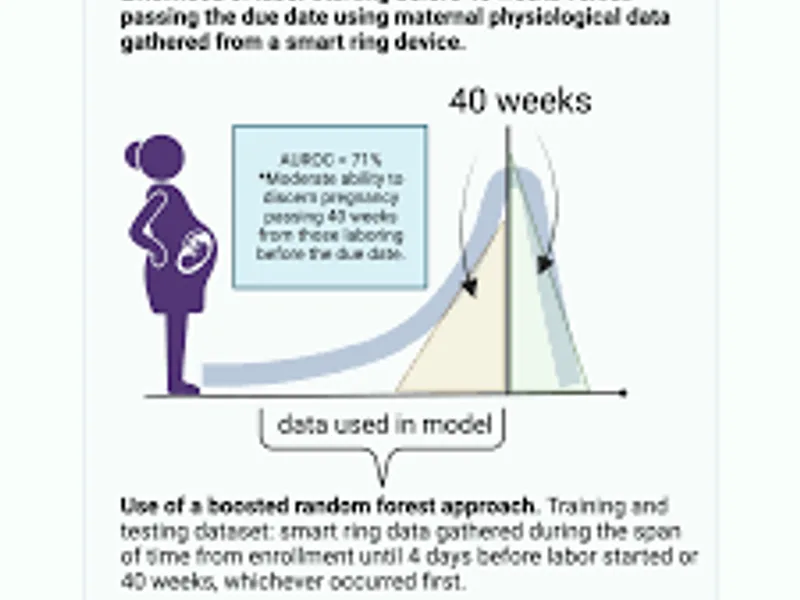
Going past your due date can feel like being stuck in a waiting room with no clock. This guide walks you through what actually happens during monitoring after due date pregnancy — the tests, the decisions, and the emotions nobody really prepares you for.
May 20, 2026
Going past your due date can feel like being stuck in a waiting room with no clock. This guide walks you through what actually happens during monitoring after due date pregnancy — the tests, the decisions, and the emotions nobody really prepares you for.
May 20, 2026

If you’re close to your due date and feeling stuck in waiting mode, this breaks down induction of labor methods in a way that actually makes sense. No jargon, no fluff—just what works, what doesn’t, and what it really feels like from a human perspective.
May 20, 2026