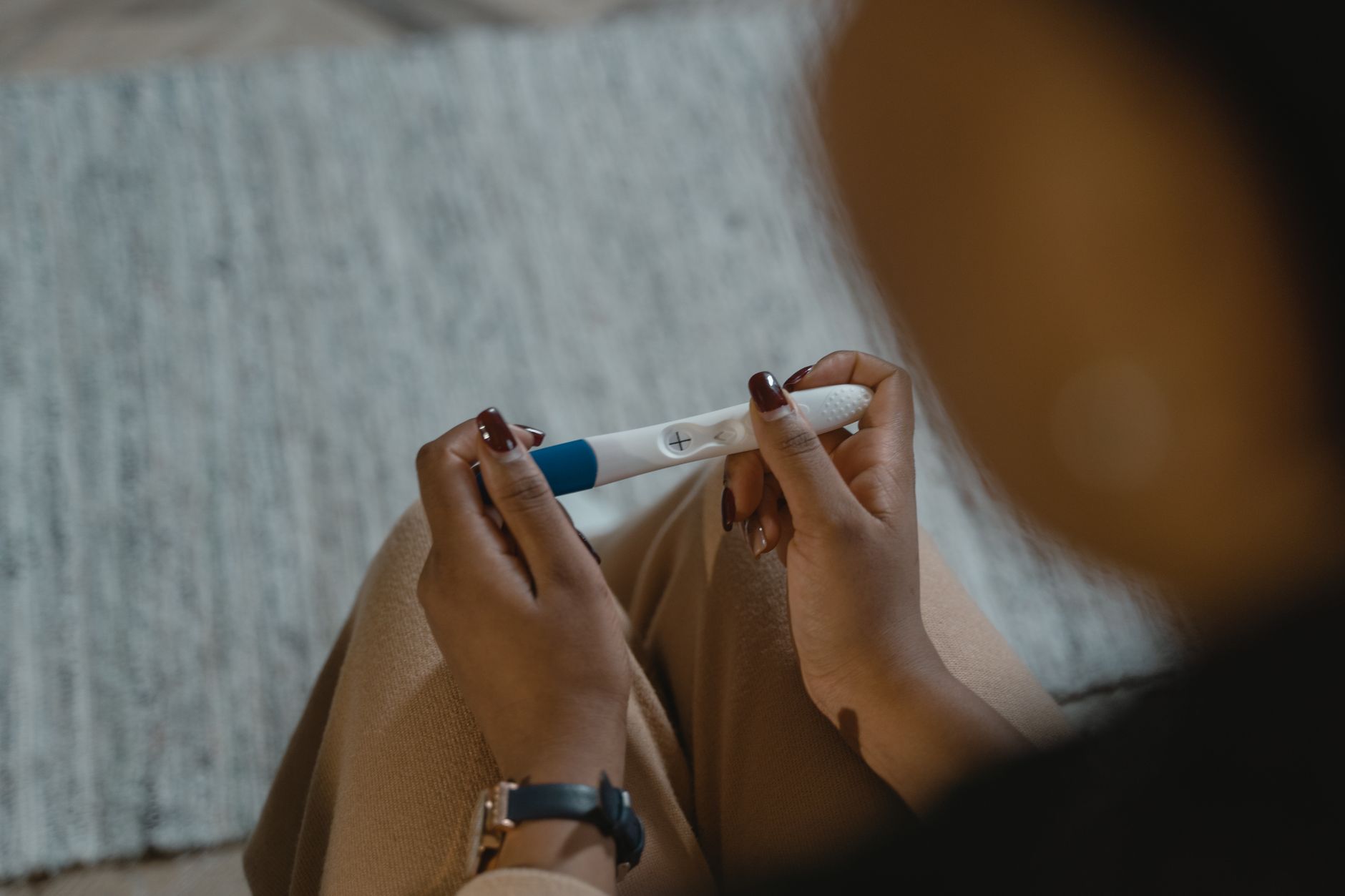
It's a moment filled with anticipation and a desire for immediate answers. You suspect you might be pregnant, and the question pops into your mind: Can I take a pregnancy test at night? The short answer is yes, you can. However, understanding the nuances of accuracy and timing is key to getting reliable results. This guide will walk you through everything you need to know about using at-home pregnancy tests, especially when you can't wait until morning.
Understanding How Pregnancy Tests Work
At-home pregnancy tests detect a hormone called human chorionic gonadotropin (hCG). Your body starts producing hCG shortly after a fertilized egg implants in your uterus. The placenta, which nourishes the developing baby, is the source of this hormone. During the early weeks of pregnancy, hCG levels rise very quickly, often doubling every 48 to 72 hours. Most urine-based pregnancy tests are designed to detect a certain threshold of hCG. By about 10 days after ovulation, which is typically around the time of your missed period, hCG levels are usually high enough for a standard test to pick up.
Some tests on the market claim to detect pregnancy even earlier. While this might sound appealing, it's important to know that these claims aren't always backed by solid evidence. Early detection tests might sometimes lead to false negatives, especially if your hCG levels are still quite low.
The Morning Advantage: Why First Morning Urine is Often Recommended
You've probably heard that taking a pregnancy test first thing in the morning is best. There's a good reason for this. After a night's sleep, your urine is typically more concentrated. This is because you haven't been drinking fluids or urinating for several hours. In the early stages of pregnancy, when hCG levels are still building up, this concentrated urine provides the highest concentration of hCG, increasing the chances of a positive test if you are indeed pregnant.
Think about it this way: Imagine trying to taste a tiny amount of sugar dissolved in a large glass of water versus a small cup of water. The sugar will be much more noticeable in the smaller, more concentrated amount. Similarly, the hCG hormone will be more concentrated and easier for the test to detect in your first morning urine.
Can You Take a Pregnancy Test at Night?
Yes, you absolutely can take a pregnancy test at night. If you have a test on hand and the urge to know is strong, there's no harm in using it. However, it's important to be aware that the accuracy might be slightly lower compared to using first morning urine, especially if you've been drinking a lot of fluids throughout the day.
If you decide to test at night, here are a few things to keep in mind:
- Limit fluid intake: Try to drink less water for a couple of hours before your nighttime test. This helps to concentrate your urine.
- Avoid excessive hydration: Don't chug water right before testing. This can dilute your urine and potentially lead to a false negative.
- Follow instructions carefully: Always read and follow the specific instructions that come with your pregnancy test. The timing and method of testing are important for accuracy.
What to Do if Your Nighttime Test is Negative
A negative result at night doesn't necessarily mean you're not pregnant. False negatives are more common than false positives. Several factors can contribute to a false negative:
- Diluted urine: As mentioned, drinking a lot of fluids can dilute hCG levels.
- Testing too early: You might have tested before your hCG levels were high enough to be detected.
- Not following instructions: Incorrectly performing the test or not waiting the recommended time can affect results.
- Medications: Certain medications, though rare, can interfere with test accuracy.
What to do next: If you get a negative result at night and still suspect you might be pregnant, it's best to retest in a few days, ideally with your first morning urine. If your period is still delayed or you have other concerns, consult your doctor.
Real-life scenario: Priya felt a wave of nausea one evening and a familiar flutter of hope. She had a pregnancy test at home and couldn't bear the thought of waiting until morning. She took the test, and it came back negative. Disappointed but not entirely convinced, she decided to wait two days and test again with her morning urine, which then showed a positive result.
What to Do if Your Nighttime Test is Positive
A positive result at night is usually a strong indicator that you are pregnant. While false positives are rare, they can occur in certain situations:
- Certain medical conditions: Some rare ovarian conditions or recent use of fertility treatments that contain hCG can cause a false positive.
- Evaporation lines: Sometimes, a faint line can appear as the urine evaporates from the test stick, which might be mistaken for a positive result. This is why reading the test within the specified timeframe is vital.
What to do next: If you get a positive result, congratulations! The next step is to schedule an appointment with your doctor or a healthcare provider. They can confirm the pregnancy with a blood test or an ultrasound and discuss your prenatal care plan.
When to Consult a Doctor
Regardless of when you take a pregnancy test, it's always a good idea to consult a doctor after receiving a positive result. They can provide professional guidance, confirm the pregnancy, and monitor your health and the baby's development. You should also contact your doctor if:
- You have a positive test and experience severe abdominal pain or unusual vaginal bleeding.
- Your period is significantly late, and you are getting consistently negative results.
- You have any concerns about your health or the possibility of pregnancy.
FAQ Section
Can I take a pregnancy test right after drinking water?
It's not advisable. Drinking a lot of water before a pregnancy test can dilute your urine, potentially leading to a false negative result. It's better to wait for your urine to concentrate, ideally using your first morning urine or limiting fluid intake for a couple of hours before a nighttime test.
How soon can I get an accurate result?
Most home pregnancy tests can detect hCG about 10 days after ovulation, which is typically around the time of your missed period. Some sensitive tests claim earlier detection, but accuracy can vary. For the most reliable results, wait until you've missed your period.
What if I get a very faint positive line?
A faint positive line usually still indicates a positive result. It means hCG is present, though perhaps at a lower concentration. It's still recommended to confirm with your doctor. If the line appeared after the time limit specified in the test instructions, it might be an evaporation line and not a true positive.
Are nighttime pregnancy tests less accurate than morning tests?
They can be less accurate if your urine is very diluted. However, if you limit fluid intake for a couple of hours beforehand, a nighttime test can still provide accurate results, especially if hCG levels are high. Morning tests are generally preferred due to the higher concentration of hCG in first morning urine.