

Emergency & Help
24/7 Emergency & General Advisory
🚨 24/7 Medical Emergency
Non-Emergency Advisory
10:00 AM – 6:00 PM, Mon–Sat
For appointments & general queries.
24/7 Emergency & General Advisory
🚨 24/7 Medical Emergency
Non-Emergency Advisory
10:00 AM – 6:00 PM, Mon–Sat
For appointments & general queries.
Wondering if you can take a pregnancy test during your period? Learn why bleeding won't affect your test results and understand potential causes of bleeding during early pregnancy.

Facing the possibility of pregnancy can bring a whirlwind of emotions, whether you've been trying for a baby or not. The wait for an answer can feel endless. Thankfully, home pregnancy tests are readily available at most pharmacies and grocery stores, offering a quick way to find out. A trip to the bathroom, a few minutes of patience, and you have your result. But how reliable are these tests, especially if you're experiencing bleeding or think you might be on your period? Let's clear up the confusion.
The short answer is: Yes, you can take a pregnancy test while you are bleeding or experiencing what seems like a period. The presence of blood from your period in your urine sample will not affect the accuracy of a home pregnancy test. These tests detect a hormone called human chorionic gonadotropin (hCG), which your body produces after a fertilized egg implants in the uterus. By about 10 days after ovulation, which usually aligns with the first day of a missed period, hCG levels are typically high enough for over-the-counter tests to detect.
However, it's important to remember that a true menstrual period, characterized by the shedding of the uterine lining when pregnancy doesn't occur, is generally a reliable indicator that you are not pregnant. If your pregnancy test comes back positive, and you are experiencing bleeding, it warrants further investigation to understand the cause.
While a period usually signifies the absence of pregnancy, bleeding can occur for various reasons during the early stages of pregnancy. Up to 25 percent of women report experiencing some bleeding in the first trimester. Here are some common causes:
This type of bleeding occurs when a fertilized egg attaches to the uterine lining. It often happens around the time you would expect your period. Implantation bleeding is typically lighter than a regular period, appearing as spotting or a lighter shade of red. It usually lasts for a shorter duration and doesn't involve heavy bleeding or blood clots.
Scenario: Priya notices a few spots of pinkish-red blood on her underwear a few days before her period is due. She's been trying to conceive and wonders if this could be it, or just her period starting early.
The cervix can sometimes bleed due to irritation. This can happen after a pelvic exam, sexual intercourse, or due to cervical polyps (small growths on the cervix) that may become inflamed or irritated. Bleeding from cervical irritation is often bright red and typically light.
Bleeding might not be related to pregnancy at all. Infections in the pelvic area, bladder, or urinary tract, including yeast infections, can sometimes cause spotting or light bleeding. This type of bleeding is often described as pink to light red and may appear spotty.
A molar pregnancy is a rare complication that occurs due to an imbalance in genetic material during fertilization. Instead of a developing fetus, abnormal tissue grows inside the uterus. This is not a viable pregnancy. Symptoms can include bright red or dark brown bleeding, severe nausea, vomiting, and lower back pain. Molar pregnancies require medical attention and have the potential to develop into cancer.
This occurs when bleeding happens between the chorion (the outer membrane surrounding the embryo) and the uterine wall. It can cause bleeding and cramping, sometimes mistaken for a period. While many women go on to have healthy pregnancies after a subchorionic hemorrhage, it can increase the risk of miscarriage in the early stages of pregnancy. Prompt medical evaluation is important.
The most accurate time to take a home pregnancy test is after you've missed your period. Testing too early can lead to a false negative result because hCG levels might not be high enough to detect. If you're experiencing unusual bleeding and suspect you might be pregnant, consider these points:
Positive Result: If your test shows a positive result, it means hCG has been detected, and you are likely pregnant. If you are also bleeding, you should consult your doctor immediately to discuss the bleeding and confirm the pregnancy.
Negative Result: A negative result means no hCG was detected. If you continue to experience irregular bleeding or missed periods, it's advisable to see a doctor to rule out other potential causes.
It's always best to consult a healthcare professional if you have any concerns about your health, especially during potential pregnancy. You should contact your doctor if you:
Your doctor can perform further tests, such as a blood test for hCG or an ultrasound, to accurately diagnose your situation and provide appropriate care.
A true menstrual period is the shedding of the uterine lining when pregnancy has not occurred. Therefore, it's highly unlikely to have a regular period while pregnant. However, bleeding during pregnancy can happen for other reasons.
Home pregnancy tests are most accurate after a missed period. However, some sensitive tests can detect hCG as early as 10 days after unprotected sex, but results may be less reliable.
If you have a positive pregnancy test and are bleeding, contact your doctor immediately. This could indicate a normal early pregnancy symptom, or it could be a sign of a complication that requires medical attention.
Visit Hospital
Near You
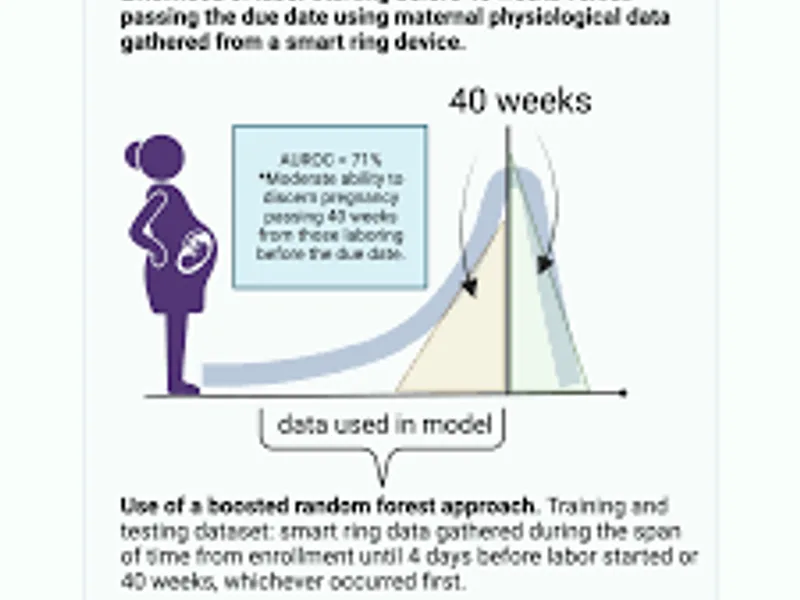
Going past your due date can feel like being stuck in a waiting room with no clock. This guide walks you through what actually happens during monitoring after due date pregnancy — the tests, the decisions, and the emotions nobody really prepares you for.
May 20, 2026
Going past your due date can feel like being stuck in a waiting room with no clock. This guide walks you through what actually happens during monitoring after due date pregnancy — the tests, the decisions, and the emotions nobody really prepares you for.
May 20, 2026
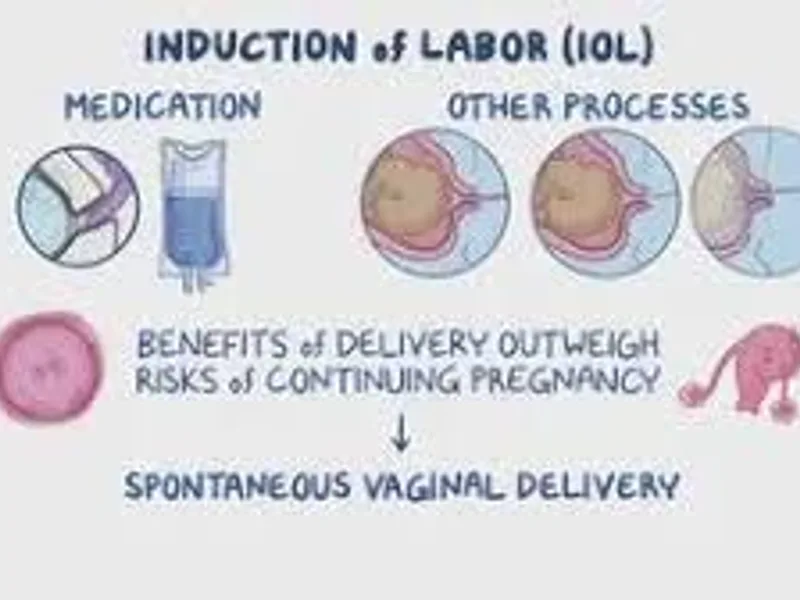
If you’re close to your due date and feeling stuck in waiting mode, this breaks down induction of labor methods in a way that actually makes sense. No jargon, no fluff—just what works, what doesn’t, and what it really feels like from a human perspective.
May 20, 2026