

Emergency & Help
24/7 Emergency & General Advisory
🚨 24/7 Medical Emergency
Non-Emergency Advisory
10:00 AM – 6:00 PM, Mon–Sat
For appointments & general queries.
24/7 Emergency & General Advisory
🚨 24/7 Medical Emergency
Non-Emergency Advisory
10:00 AM – 6:00 PM, Mon–Sat
For appointments & general queries.
Stay updated with our latest healthcare news and your appointments.
Navigating Clobex (clobetasol propionate) use during pregnancy requires careful consideration of risks and benefits. Learn about its FDA Pregnancy Category C classification, potential effects on the fetus, and safer alternatives for managing skin conditions while pregnant, always in consultation with your healthcare provider.

Pregnancy brings about a multitude of physiological changes, and for many expecting mothers, this can include new or exacerbated skin conditions. Managing these conditions often involves topical medications, but the safety of such treatments during pregnancy is a critical concern. One such medication is Clobex, a brand name for clobetasol propionate, a highly potent corticosteroid. This article delves into the considerations surrounding Clobex use during pregnancy, exploring its safety profile, potential risks, and safer alternatives, empowering you to make informed decisions in consultation with your healthcare provider.
Clobex is a prescription topical medication containing clobetasol propionate, a synthetic corticosteroid. It belongs to the super-high potency class of corticosteroids, meaning it is very effective at reducing inflammation, itching, and redness. It is commonly prescribed for severe inflammatory skin conditions that have not responded to less potent corticosteroids. These conditions include:
Clobetasol works by suppressing the immune response in the skin, thereby reducing inflammation and the associated symptoms. While highly effective, its potency necessitates careful use, especially in sensitive populations like pregnant women.
When considering medication use during pregnancy, healthcare providers often refer to the U.S. Food and Drug Administration (FDA) pregnancy categories. These categories provide a framework for understanding the potential risks of a drug to a fetus. Clobetasol propionate, the active ingredient in Clobex, is classified as an FDA Pregnancy Category C drug.
What does Category C mean? Animal reproduction studies have shown an adverse effect on the fetus and there are no adequate and well-controlled studies in humans, but potential benefits may warrant use of the drug in pregnant women despite potential risks.
This classification indicates that animal studies have revealed adverse effects on the fetus (e.g., teratogenicity, embryocidal effects, or other adverse effects) at doses that were systemically absorbed. However, there are no sufficient and well-controlled studies in pregnant women. Therefore, Clobex should only be used during pregnancy if the potential benefit justifies the potential risk to the fetus. This decision is always made on a case-by-case basis by a healthcare provider, weighing the severity of the mother's condition against the theoretical risks to the developing baby.
The primary concern with topical corticosteroids like Clobex during pregnancy is the potential for systemic absorption. Although applied to the skin, a certain amount of the medication can be absorbed into the bloodstream, reaching the fetus. The extent of absorption depends on several factors:
Animal studies with clobetasol propionate have shown:
It is important to note that these effects were seen with systemic exposure at doses significantly higher than what is typically achieved with appropriate topical use in humans. However, the lack of extensive human data means caution is warranted.
While direct evidence linking topical clobetasol use in humans to specific birth defects is limited, the theoretical concerns include:
The consensus among medical professionals is that short-term, limited use of high-potency topical corticosteroids on small areas is unlikely to cause significant systemic absorption or fetal harm. The risks increase with widespread application, prolonged duration, and use under occlusion.
Despite the cautionary Category C classification, there are specific situations where a healthcare provider might consider prescribing Clobex during pregnancy. This decision is always made after a thorough risk-benefit analysis, especially when the mother's skin condition is severe and significantly impacts her quality of life, and less potent treatments have failed.
Such scenarios might include:
In these cases, the goal is often to use the smallest effective amount for the shortest possible duration, under strict medical supervision, to minimize systemic absorption.
Given the concerns surrounding high-potency topical steroids, healthcare providers typically prioritize safer alternatives for managing skin conditions during pregnancy. The approach is usually stepwise, starting with the least potent and safest options.
The choice of treatment will depend on the specific skin condition, its severity, and the stage of pregnancy. Always discuss all available options and their respective risks and benefits with your doctor.
If your healthcare provider determines that Clobex is necessary during your pregnancy, it is imperative to follow their instructions meticulously to minimize potential risks.
Never self-medicate or adjust the dosage without consulting your healthcare provider.
It is crucial to maintain open communication with your healthcare provider regarding any medications you are using or considering during pregnancy.
A: Clobex (clobetasol propionate) is classified as an FDA Pregnancy Category C drug. This means animal studies have shown potential risks to the fetus, but there are no adequate human studies. It should only be used if the potential benefit to the mother justifies the potential risk to the fetus, and always under strict medical supervision.
A: If you used Clobex before realizing you were pregnant, do not panic. Stop using the medication and contact your doctor or obstetrician immediately. They can assess your situation, discuss the specific circumstances (how much, how long, where applied), and provide personalized guidance and reassurance.
A: Animal studies have shown teratogenic effects (birth defects like cleft palate) and embryocidal effects with high systemic doses. While these risks are theoretical with appropriate topical use in humans, the lack of extensive human data means caution is advised. The primary concern is systemic absorption, which can increase with widespread application, prolonged use, and use under occlusion.
A: It is generally advised to avoid using Clobex while breastfeeding, especially on the breast area, as it could be absorbed by the infant. If use is absolutely necessary, discuss the risks and benefits with your doctor. They may recommend using the lowest effective dose for the shortest duration, avoiding application to areas that the infant might contact, or considering alternative treatments.
A: Safer alternatives often include liberal use of emollients and moisturizers, low-potency topical corticosteroids (like hydrocortisone, a Category B drug), topical calcineurin inhibitors (under medical guidance), and in some cases, narrowband UVB phototherapy for psoriasis. Your doctor will help you determine the most appropriate and safest treatment plan for your specific condition.
The decision to use Clobex (clobetasol propionate) during pregnancy is a complex one that requires careful consideration of the potential benefits versus the theoretical risks. As a high-potency corticosteroid, Clobex is classified as an FDA Pregnancy Category C drug, indicating potential fetal risks observed in animal studies, with limited human data. While it can be highly effective for severe skin conditions, its systemic absorption through the skin raises concerns about potential effects on the developing fetus.
For expecting mothers, the safest approach is always to prioritize less potent and well-studied alternatives first. If Clobex is deemed absolutely necessary due to the severity of the maternal condition, it should be used for the shortest possible duration, on the smallest affected area, and never under occlusion, all under strict medical supervision. Open and honest communication with your healthcare provider is paramount to ensure the health and safety of both you and your baby. Always consult your doctor for personalized medical advice regarding any medication use during pregnancy.
This article provides general medical information and should not be considered a substitute for professional medical advice. For specific guidance regarding your health and medication use during pregnancy, please consult your doctor, obstetrician, or a qualified healthcare provider. Information regarding FDA pregnancy categories and drug safety is based on publicly available medical and pharmaceutical guidelines.

Going past your due date can feel like being stuck in a waiting room with no clock. This guide walks you through what actually happens during monitoring after due date pregnancy — the tests, the decisions, and the emotions nobody really prepares you for.
May 20, 2026
Going past your due date can feel like being stuck in a waiting room with no clock. This guide walks you through what actually happens during monitoring after due date pregnancy — the tests, the decisions, and the emotions nobody really prepares you for.
May 20, 2026
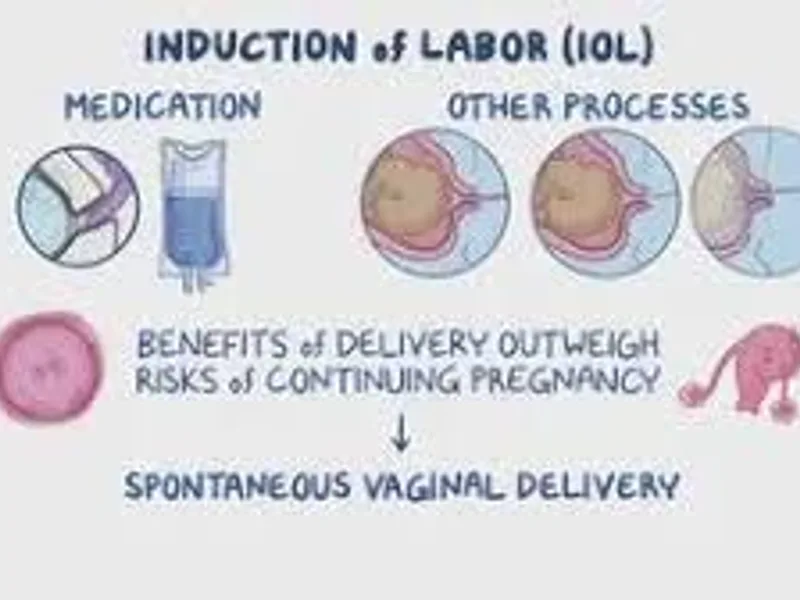
If you’re close to your due date and feeling stuck in waiting mode, this breaks down induction of labor methods in a way that actually makes sense. No jargon, no fluff—just what works, what doesn’t, and what it really feels like from a human perspective.
May 20, 2026