

Emergency & Help
24/7 Emergency & General Advisory
🚨 24/7 Medical Emergency
Non-Emergency Advisory
10:00 AM – 6:00 PM, Mon–Sat
For appointments & general queries.
24/7 Emergency & General Advisory
🚨 24/7 Medical Emergency
Non-Emergency Advisory
10:00 AM – 6:00 PM, Mon–Sat
For appointments & general queries.
Learn about antenatal colostrum harvesting, the benefits of 'liquid gold' for newborns, and how to safely collect and store it before birth. Essential for Indian mothers preparing for their baby's arrival.

Pregnancy is a remarkable journey, and your body is preparing for your little one's arrival in countless amazing ways. One of these incredible preparations is the production of colostrum. Often called “first milk” or “liquid gold,” colostrum is a nutrient-rich, antibody-packed fluid that your breasts produce in the final stages of pregnancy and the first few days after birth. For many expectant mothers, especially those in India, understanding and potentially harvesting this precious substance can offer significant benefits for both mother and baby. This guide will walk you through what colostrum is, why it’s so vital, and how you can safely harvest it before your baby makes their grand entrance. What Exactly is Colostrum? Colostrum is not your mature breast milk. Think of it as a super-concentrated powerhouse designed specifically for newborns. It typically appears as a thick, sticky, yellowish or golden-hued fluid. This initial milk is produced in small quantities, but its potency is unmatched. Your body starts making colostrum well before your baby is born, and it continues to be the primary source of nutrition for the first 24 to 72 hours after birth, until your mature milk “comes in.” Why is Colostrum So Important? The “Liquid Gold” Benefits The nickname “liquid gold” is no exaggeration. Colostrum is a miracle fluid for newborns, offering a comprehensive package of benefits: Immune System Booster: Newborns have immature immune systems. Colostrum is brimming with antibodies, particularly secretory immunoglobulin A (sIgA). These antibodies act as a shield, protecting your baby’s delicate gut lining from harmful bacteria and viruses, significantly reducing the risk of infections. Nutrient-Rich Powerhouse: It’s packed with proteins, vitamins (like Vitamin A), and minerals essential for your baby’s growth and development. These nutrients are easily digestible, which is perfect for a newborn’s sensitive system. Digestive System Preparation: Colostrum acts as a natural laxative, helping your baby pass meconium – the dark, tarry first stool. This process is vital for clearing bilirubin from the body, which can help prevent jaundice. Blood Sugar Regulation: The concentrated nutrients in colostrum help stabilize your newborn’s blood sugar levels, which can be a concern for some babies, especially those born prematurely or with low birth weight. Gut Health Foundation: It promotes the growth of beneficial bacteria in the baby’s gut, laying the foundation for a healthy digestive system. Antenatal Colostrum Harvesting: What It Is and Who Might Benefit Antenatal colostrum harvesting simply means expressing and collecting your colostrum before your baby is born. While your body naturally produces it, collecting it beforehand can be incredibly beneficial in specific situations. This practice is generally recommended from 37 weeks of pregnancy onwards, as attempting it earlier might be less productive and potentially uncomfortable. Who might find antenatal harvesting particularly helpful? Mothers with a History of Low Milk Supply: For those concerned about their milk production, harvesting prenatally can help stimulate milk ducts and ensure a good supply of this vital first milk is available. Mothers Planning Breast Surgery or with Scarring: Previous breast surgeries can sometimes impact milk production. Harvesting can be a proactive measure. Mothers of Multiples (Twins, Triplets): Babies born from multiple pregnancies are often at higher risk of prematurity and low birth weight, making colostrum a crucial early supplement. Mothers of Babies with Specific Health Conditions: Babies born with conditions like cleft lip or palate, intrauterine growth restriction, congenital heart conditions, or Down syndrome may have difficulties latching or feeding initially. Having harvested colostrum ready can be a lifesaver. Mothers Who May Be Separated from Baby Post-Birth: In cases where a mother might need to start certain medications or faces medical situations preventing immediate breastfeeding, harvested colostrum ensures the baby still receives its benefits. Mothers Experiencing Gestational Diabetes or High Blood Sugar: Colostrum can help manage blood sugar levels in newborns. How to Harvest Colostrum at Home: A Step-by-Step Guide Harvesting colostrum is usually done by hand expression. It’s a skill that takes a little practice, but it’s quite manageable. It’s always a good idea to discuss this with your doctor or a lactation consultant before you start. Wash Your Hands Thoroughly: Hygiene is paramount. Ensure your hands are clean before you begin. Get Comfortable: Find a quiet, relaxed space where you can sit or lie down comfortably. You might want to have a small container ready. Stimulate Your Breasts: Gently massage your breasts. You can also try gently warming your breasts with a warm compress if it feels soothing. Locate Your Areola: Place your thumb on the top of your areola (the darker area around your nipple) and your fingers on the bottom, opposite your thumb. Press Gently: Gently press your thumb and fingers inward towards your chest wall. Don't press on the nipple itself. Roll Your Fingers: Once you feel a slight indentation or a “harden” where your fingers and thumb are, gently roll them forward, away from your chest wall, to express the colostrum. Collect the Drops: Small drops of colostrum should appear. You can catch these drops with a sterile syringe or a small collection container. Many women find using a syringe easier for collection and storage. Repeat and Rotate: Continue this rhythmic massage and expression, rotating the position of your fingers around the areola to stimulate different milk ducts. Storage is Key: Once collected, store the colostrum immediately. Storing Your Liquid Gold Safely Proper storage is crucial to maintain the quality and safety of your harvested colostrum. Use sterile syringes or small, airtight, BPA-free containers. Label each container clearly with the date and time of collection. Refrigeration: Stored colostrum can be kept in the refrigerator for up to 72 hours. Freezing: For longer storage, freeze the colostrum. It can be kept in the freezer for up to 6 months. It’s best to store it in small amounts (1 to 2 ml) to avoid waste. Thawing: When you need to use it, thaw frozen colostrum by holding the container under warm running water or placing it in the refrigerator overnight. Never boil or microwave colostrum, as this destroys its beneficial properties. Usage: Once thawed, colostrum must be used within 24 hours and should be stored in the refrigerator. When to Harvest and When to Hold Back Antenatal colostrum harvesting is generally considered safe and beneficial for many mothers, but it’s not for everyone. Always consult your healthcare provider before starting. When to Consider Harvesting: From 37 weeks of pregnancy onwards. After discussing with your doctor or lactation consultant. When to Avoid or Be Cautious: Before 37 Weeks: Your body might not be producing enough colostrum, and the stimulation could potentially trigger preterm labor. History of Preterm Labor: If you have a history of preterm labor or any risk factors, your doctor may advise against breast stimulation. Cervical Insufficiency: This condition might make breast stimulation risky. Placenta Previa: A condition where the placenta covers the cervix. Unexplained Vaginal Bleeding: Any bleeding during pregnancy requires immediate medical attention and may mean avoiding breast stimulation. When to Consult Your Doctor While antenatal colostrum harvesting can be a wonderful proactive step, it’s essential to involve your healthcare team. You should speak with your doctor or midwife if: You are considering harvesting colostrum. You have any concerns about your pregnancy or your baby’s health. You experience any discomfort, pain, or spotting during harvesting. You are unsure about the process or storage. Your baby shows signs of low blood sugar, dehydration, or significant weight loss after birth. Your baby has difficulty feeding or latching. Frequently Asked Questions (FAQ) Is hand expressing colostrum painful? It can sometimes be uncomfortable, especially at first, but it shouldn’t be painful. If you experience pain, stop and consult your healthcare provider. Gentle technique is key. How much colostrum should I expect to collect? In the early days of harvesting, you might only collect a few drops, perhaps 0.1 to 0.5 ml per session. This is perfectly normal and is plenty for a newborn. The amount increases as you get closer to your due date and with regular, gentle stimulation. Can I harvest colostrum if I have gestational diabetes? Yes, in many cases, it can be very beneficial. Harvested colostrum can help manage your baby’s blood sugar levels after birth. Always discuss this with your endocrinologist or obstetrician. Will harvesting colostrum affect my milk supply later? For most women, antenatal colostrum harvesting helps to “prime” the breasts and can actually support a good milk supply once your mature milk comes in. It signals to your body to start preparing for lactation. What if my baby doesn't need the harvested colostrum? If your baby takes to breastfeeding well and has no feeding issues, and you have excess harvested colostrum, discuss options with your lactation consultant or doctor. In some hospitals, donor milk banks accept safely stored colostrum. Alternatively, it can be safely discarded if not needed. Harvesting colostrum is a proactive and empowering step many mothers can take to prepare for their baby’s arrival. By understanding its immense value and the safe methods for collection and storage, you can ensure your little one
In summary, timely diagnosis, evidence-based treatment, and prevention-focused care improve long-term health outcomes.
Visit Hospital
Near You
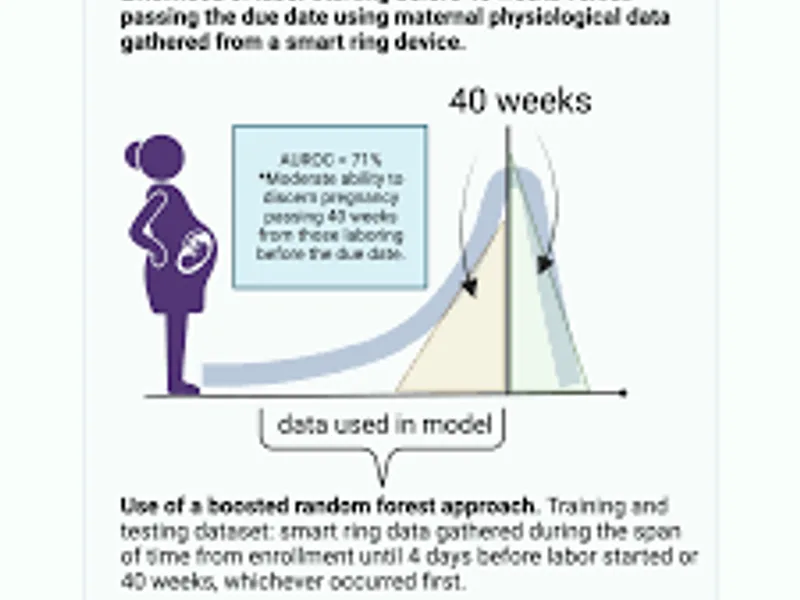
Going past your due date can feel like being stuck in a waiting room with no clock. This guide walks you through what actually happens during monitoring after due date pregnancy — the tests, the decisions, and the emotions nobody really prepares you for.
May 20, 2026
Going past your due date can feel like being stuck in a waiting room with no clock. This guide walks you through what actually happens during monitoring after due date pregnancy — the tests, the decisions, and the emotions nobody really prepares you for.
May 20, 2026
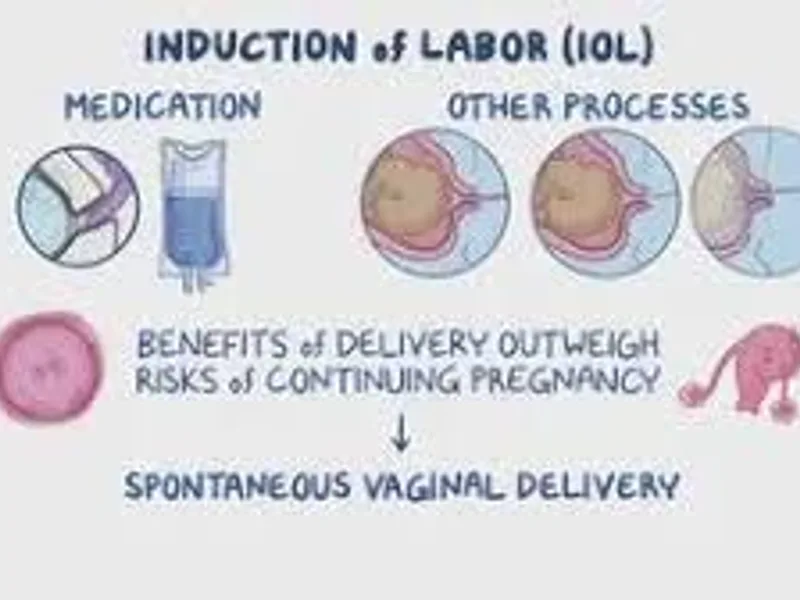
If you’re close to your due date and feeling stuck in waiting mode, this breaks down induction of labor methods in a way that actually makes sense. No jargon, no fluff—just what works, what doesn’t, and what it really feels like from a human perspective.
May 20, 2026