

Emergency & Help
24/7 Emergency & General Advisory
🚨 24/7 Medical Emergency
Non-Emergency Advisory
10:00 AM – 6:00 PM, Mon–Sat
For appointments & general queries.
24/7 Emergency & General Advisory
🚨 24/7 Medical Emergency
Non-Emergency Advisory
10:00 AM – 6:00 PM, Mon–Sat
For appointments & general queries.
Learn how Indian mothers can effectively combine breastfeeding and pumping to manage milk supply, ensure adequate feeding, and gain flexibility. Get practical tips, understand power pumping, and know when to seek help.

Peanut butter and jelly. Movies and popcorn. Shoes and socks. Some of the best things in life come in combos, don't they? But what about breastfeeding and pumping? If you're a new mother in India, navigating the world of infant feeding can feel like a whirlwind. You might be wondering if combining breastfeeding and pumping is a good idea, especially if your milk supply seems a bit low, or if you simply want to have some expressed milk ready for bottles when you need to step away. Will it help boost your milk production? Are there any downsides? Don't worry, we've got your back! This guide is here to answer all your questions and offer practical tips tailored for Indian mothers looking to master the art of combining breastfeeding and pumping. Why Combine Breastfeeding and Pumping? Reasons Galore! There are several compelling reasons why you might consider a dual approach to feeding your little one. Let's explore some common scenarios: Boosting Your Milk Supply: Breast milk production operates on a fundamental principle: supply and demand. The more milk that is removed from your breasts, the more milk your body is prompted to make. If you're aiming to increase your milk supply, combining breastfeeding with pumping can be a very effective strategy. It signals to your body that there's a higher demand, encouraging it to ramp up production. Easing Discomfort and Preventing Issues: Sometimes, breasts can feel overly full or uncomfortable. Pumping can help relieve this pressure by removing excess milk. This is especially helpful in preventing and managing issues like clogged ducts and mastitis, an inflammation of the breast tissue that can be quite painful. Having Milk Ready for Bottles: Life with a baby is unpredictable! There will be times when you need to be away from your baby, even for a short while. Having a stash of expressed breast milk in bottles means your little one can still receive your precious milk while you're tending to other responsibilities, be it attending a family function or a doctor's appointment. Addressing Breastfeeding Difficulties: Some babies might face challenges with latching effectively or may not get enough milk directly from the breast. In such cases, you can breastfeed your baby first and then use a bottle of expressed milk to supplement, ensuring they get a full feed. This can be a temporary measure while you work with a lactation consultant to improve latching. Smart Tips for Combining Breastfeeding and Pumping Ready to give it a try? Here are some practical tips to make your breastfeeding and pumping journey smoother: Breastfeed First, Then Pump: It's generally a good idea to breastfeed your baby first. This ensures your little one gets their fill directly from the source. After the feed, you can pump to empty your breasts further. This not only helps in removing more milk but also signals your breasts to start refilling, maximizing your milk production time before the next feeding session. Embrace Hands-On Pumping and Hand Expression: Don't underestimate the power of your hands! Hands-on pumping involves massaging your breasts while pumping, and hand expression is manually expressing milk. Both techniques can significantly increase the amount of milk you extract and can also stimulate your breasts to produce more milk in the long run. Don't Let Leaks Go to Waste: While breastfeeding from one breast, the other breast might leak milk. You can use a silicone breast pump, like a Haakaa, or a simple collection cup to catch this 'fore-milk' or 'let-down' milk. This milk is often overlooked but can add up over time, contributing to your expressed milk stash without extra effort. Ensure a Proper Flange Fit: This is super important for comfort and efficiency! Before you start pumping, check that the breast pump flanges fit correctly. If they're too large or too small, it can cause nipple pain and discomfort, and reduce the amount of milk you collect. Many pump brands offer different flange sizes, so find the one that feels just right for you. Keep Your Essentials Handy: Set up 'pumping stations' around your home, especially near your favourite breastfeeding spots. Stock these stations with essentials like a water bottle (staying hydrated is key!), healthy snacks, nipple cream, burp cloths, and even a few diapers. This way, you won't have to interrupt your pumping session to fetch these items. Create a Relaxing Environment: Sometimes, your let-down reflex might be a bit shy when pumping. Try creating a calming atmosphere. You could place a warm compress on your breasts before pumping, look at photos or videos of your baby, or simply close your eyes and take deep breaths. Relaxation is a powerful tool for milk let-down. Understanding Power Pumping: A Strategy for Supply Boost If your primary goal is to significantly increase your milk supply, you might want to explore a technique called 'power pumping'. This method mimics the cluster feeding pattern of an infant, where a baby nurses frequently over a short period. Power pumping essentially 'tricks' your breasts into thinking there's a higher demand, encouraging more milk production. A Sample Power Pumping Routine: While exact schedules can vary, a common and effective power pumping routine looks like this: Pump for 20 minutes. Rest for 10 minutes. Pump for 10 minutes. Rest for 10 minutes. Pump for 10 minutes. You can incorporate this routine once a day for about one to two weeks. Consistency is key! Listen to your body and adjust as needed. The Pros and Cons: A Balanced View Like most things in life, combining breastfeeding and pumping has its advantages and disadvantages. It's good to be aware of both: Pros: Increased Milk Supply: As discussed, this is a major benefit for mothers concerned about low supply. Flexibility: Allows you to leave your baby with a caregiver while ensuring they receive breast milk. Relief from Engorgement: Helps manage discomfort from overly full breasts. Building a Stash: Creates a supply of expressed milk for future use. Cons: Time Commitment: Pumping requires dedicated time, which can be challenging with a newborn. Potential for Nipple Soreness: If the flange fit is incorrect or pumping is too aggressive. Risk of Oversupply: In rare cases, aggressive pumping could lead to an oversupply, which has its own set of challenges. Equipment Costs: Investing in a good quality breast pump and accessories can be an expense. Paced Bottle Feeding: A Key Technique If you're giving your baby expressed milk in a bottle, mastering the 'paced bottle feeding' method is highly recommended. This technique mimics the natural flow of breastfeeding, where the baby controls the milk flow. It involves: Holding the baby in a more upright position. Allowing the baby to latch onto the nipple. Holding the bottle parallel to the floor, so milk only flows when the baby actively sucks. Pausing the feed when the baby shows signs of being full or needs a break. Why is this so important? Studies, including one from 2018, suggest that paced bottle feeding can help prevent issues like overfeeding, gas, and even respiratory and ear problems. More importantly, it helps your baby maintain their preference for breastfeeding, ensuring a smoother transition between breast and bottle. When to Seek Professional Help While combining breastfeeding and pumping is often manageable at home, there are times when you should consult a healthcare professional: Persistent Low Milk Supply: If you've tried increasing your supply and are still concerned, speak to a doctor or a lactation consultant. Severe Nipple Pain or Damage: This could indicate a latch issue or a problem with your pump. Signs of Mastitis: Fever, redness, swelling, and pain in the breast require immediate medical attention. Baby Not Gaining Weight: If your baby isn't gaining weight as expected, it's crucial to get professional advice. Concerns About Latching: A lactation consultant can provide invaluable support. Remember, every mother and baby journey is unique. Don't hesitate to reach out for support. You're doing a wonderful job! Frequently Asked Questions (FAQ) Q1: Can I breastfeed and pump at the same time? Yes, you absolutely can! Many mothers find success in combining breastfeeding and pumping to manage their milk supply, have expressed milk available, or address discomfort. The key is to find a rhythm that works for you and your baby. Q2: How much milk should I pump after breastfeeding? The amount can vary greatly. Aim to pump until your breasts feel softer or for about 10-15 minutes after feeding. The goal isn't necessarily to pump a large volume immediately after feeding, but to further stimulate milk production. Q3: Will pumping decrease my milk supply for breastfeeding? No, generally pumping after breastfeeding is intended to increase or maintain your milk supply by removing more milk and signaling your body to produce more. It's when you replace breastfeeding sessions with pumping sessions that supply might decrease. Q4: Is it okay to pump while my baby is breastfeeding on the other side? Yes, this is a common practice, especially when using a silicone collector or a double electric pump. It's an efficient way to
In summary, timely diagnosis, evidence-based treatment, and prevention-focused care improve long-term health outcomes.
Visit Hospital
Near You

Going past your due date can feel like being stuck in a waiting room with no clock. This guide walks you through what actually happens during monitoring after due date pregnancy — the tests, the decisions, and the emotions nobody really prepares you for.
May 20, 2026
Going past your due date can feel like being stuck in a waiting room with no clock. This guide walks you through what actually happens during monitoring after due date pregnancy — the tests, the decisions, and the emotions nobody really prepares you for.
May 20, 2026
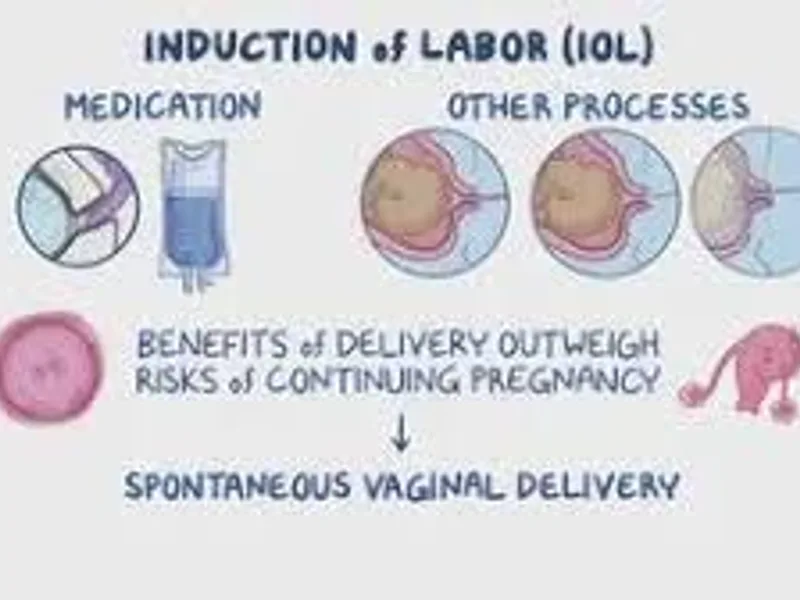
If you’re close to your due date and feeling stuck in waiting mode, this breaks down induction of labor methods in a way that actually makes sense. No jargon, no fluff—just what works, what doesn’t, and what it really feels like from a human perspective.
May 20, 2026