

Emergency & Help
24/7 Emergency & General Advisory
🚨 24/7 Medical Emergency
Non-Emergency Advisory
10:00 AM – 6:00 PM, Mon–Sat
For appointments & general queries.
24/7 Emergency & General Advisory
🚨 24/7 Medical Emergency
Non-Emergency Advisory
10:00 AM – 6:00 PM, Mon–Sat
For appointments & general queries.
Stay updated with our latest healthcare news and your appointments.
Learn to recognize the vital symptoms of pre-eclampsia, a serious pregnancy complication, including high blood pressure, swelling, and vision changes. Early detection is crucial for maternal and fetal health.

Pregnancy is a miraculous journey, but it can also present unique health challenges. Among the most serious is pre-eclampsia, a condition characterized by high blood pressure and signs of damage to another organ system, most often the liver and kidneys. Affecting approximately 5-8% of pregnancies worldwide, pre-eclampsia can range from mild to severe, and if left untreated, it can lead to life-threatening complications for both the birthing parent and the baby.
Understanding the symptoms of pre-eclampsia is not just beneficial, it's absolutely critical. Early detection and prompt medical intervention are key to managing the condition and ensuring the best possible outcomes. This comprehensive guide will walk you through the primary signs, risk factors, diagnostic methods, treatment options, and preventive strategies for pre-eclampsia, empowering you with the knowledge to protect yourself and your baby.
Pre-eclampsia is a pregnancy-specific disorder typically developing after 20 weeks of gestation, though it can sometimes occur earlier or even postpartum. It is primarily defined by new-onset hypertension (high blood pressure) and proteinuria (protein in the urine), or, in the absence of proteinuria, new-onset hypertension with other signs of organ dysfunction. These signs can include low platelet counts, impaired liver function, new-onset kidney insufficiency, pulmonary edema (fluid in the lungs), or new-onset cerebral or visual disturbances.
Historically, pre-eclampsia was often referred to as 'toxemia of pregnancy,' due to the misconception that toxins in the blood caused the condition. We now understand it's a complex disorder involving issues with the placenta, the organ that nourishes the baby. The exact cause is still not fully understood, but it's believed to stem from abnormal development of the placental blood vessels early in pregnancy, leading to insufficient blood flow to the placenta. This, in turn, can trigger a cascade of effects throughout the birthing parent's body, impacting various organ systems.
While some symptoms of pre-eclampsia can mimic normal pregnancy discomforts, others are distinct and demand immediate attention. It's vital to remember that pre-eclampsia can sometimes develop without obvious symptoms, which is why regular prenatal check-ups are so important. However, when symptoms do appear, they can progress rapidly.
This is the hallmark symptom of pre-eclampsia. Blood pressure readings of 140/90 mm Hg or higher, recorded on two separate occasions at least four hours apart after 20 weeks of pregnancy in a person who previously had normal blood pressure, are indicative of hypertension. Severe hypertension is defined as blood pressure of 160/110 mm Hg or higher. Your healthcare provider will monitor your blood pressure at every prenatal visit. It's crucial not to dismiss consistently elevated readings.
Another classic sign, proteinuria occurs when the kidneys, under stress from pre-eclampsia, allow protein to leak into the urine. This is typically detected through a urine dipstick test during routine prenatal appointments or a 24-hour urine collection to quantify the amount of protein. While trace amounts of protein can sometimes be normal, significant or increasing levels are a red flag.
While some swelling in the feet and ankles is common during pregnancy, pre-eclampsia-related edema is often more pronounced and involves other areas of the body, such as the hands and face. This swelling is usually sudden and excessive, not relieved by rest or elevation. If your rings suddenly feel tight, or you notice significant puffiness in your face, it warrants medical evaluation. It's important to note that swelling alone is no longer considered a diagnostic criterion for pre-eclampsia, but it remains a common symptom that should prompt further investigation.
Headaches are common in pregnancy, but a persistent, severe headache that doesn't respond to typical pain relievers like acetaminophen can be a warning sign of pre-eclampsia. These headaches are often described as throbbing or pounding and can be accompanied by other symptoms.
Any changes to your vision during pregnancy should be taken seriously. These can include:
These symptoms indicate that pre-eclampsia may be affecting the brain or the blood vessels in the eyes, requiring immediate medical attention.
Pain, particularly in the upper right side of the abdomen (under the ribs), can be a symptom of pre-eclampsia. This pain is often mistaken for heartburn, indigestion, or gallbladder issues. It can indicate liver problems, which are a serious complication of pre-eclampsia.
While morning sickness is common in early pregnancy, new or worsening nausea and vomiting in the second or third trimester, especially when accompanied by other symptoms, could signal pre-eclampsia or its more severe form, HELLP syndrome.
If you notice a significant reduction in how often you need to urinate, or the amount of urine you produce, it could indicate that your kidneys are not functioning optimally due to pre-eclampsia.
Pre-eclampsia can sometimes lead to fluid accumulation in the lungs (pulmonary edema), causing shortness of breath. This is a severe symptom that requires urgent medical care.
Sudden and significant weight gain, often more than 2 pounds in a week, can be a sign of fluid retention and may accompany other symptoms of pre-eclampsia.
Blood tests can reveal elevated liver enzymes (indicating liver damage) or elevated creatinine levels (indicating kidney dysfunction). These are often discovered through routine blood work but can cause the symptoms mentioned above.
While regular prenatal care is essential for monitoring pre-eclampsia, certain symptoms warrant immediate medical attention. If you experience any of the following, contact your healthcare provider or go to the nearest emergency room without delay:
Do not wait for your next appointment. These symptoms could indicate a rapidly worsening condition that requires urgent intervention.
The exact cause of pre-eclampsia remains elusive, but research suggests it originates in the placenta. Early in pregnancy, new blood vessels develop to send blood to the placenta. In women with pre-eclampsia, these blood vessels don't develop or function properly. They are narrower and react differently to hormonal signals, limiting the amount of blood that can flow through them. This impaired blood flow is thought to trigger a cascade of events that affect the mother's blood pressure and other organ systems.
While anyone can develop pre-eclampsia, certain factors increase the risk:
Diagnosing pre-eclampsia involves a combination of tests and ongoing monitoring. Your healthcare provider will consider your medical history, symptoms, and several key diagnostic indicators:
Regular checks are fundamental. A consistent elevation of blood pressure (140/90 mm Hg or higher on two occasions, at least four hours apart) after 20 weeks of gestation is the primary diagnostic criterion.
Urine Dipstick Test: Quick and easy, this test checks for the presence of protein in your urine during each prenatal visit. A positive result warrants further investigation.
24-Hour Urine Collection: If protein is detected, a 24-hour urine collection may be ordered to accurately measure the total amount of protein excreted over a day. A level of 300 mg or more in 24 hours is considered significant for pre-eclampsia.
These tests assess organ function and blood components:
To assess the baby's well-being, especially if pre-eclampsia is suspected or diagnosed:
The definitive treatment for pre-eclampsia is delivery of the baby and placenta. However, the timing of delivery depends on the severity of the condition, gestational age, and the health of both the birthing parent and the baby. Management aims to prevent the condition from worsening and to prolong the pregnancy safely if possible, to allow the baby more time to develop.
If pre-eclampsia is mild and the pregnancy is not yet full-term, your doctor may recommend:
Several medications may be used to manage symptoms and prevent complications:
For more severe cases, hospitalization may be necessary for continuous monitoring of both the birthing parent and the baby. This allows for closer observation, timely intervention, and administration of medications.
If pre-eclampsia is severe, or if the birthing parent's or baby's health is at significant risk, early delivery may be necessary, even if the baby is premature. This is often the only way to resolve the underlying condition. Delivery can be induced or performed via C-section, depending on the clinical situation.
While pre-eclampsia cannot always be prevented, especially for those at high risk, certain strategies can help reduce the likelihood or severity of the condition:
If not managed effectively, pre-eclampsia can lead to serious and sometimes life-threatening complications for both the birthing parent and the baby.
For most women, blood pressure returns to normal within a few weeks or months after delivery. However, having pre-eclampsia increases your risk for future health issues. It's crucial to have a postpartum check-up and discuss a long-term health plan with your doctor. This may include regular blood pressure monitoring and discussions about future pregnancy risks and cardiovascular health management.
A: Yes, pre-eclampsia can develop or worsen after delivery, a condition known as postpartum pre-eclampsia. Symptoms are similar to those during pregnancy and can appear up to six weeks after birth. It requires immediate medical attention.
A: While it's not always entirely preventable, especially for those with high risk factors, certain measures like regular prenatal care, managing underlying conditions, and in some high-risk cases, low-dose aspirin, can help reduce the risk or severity.
A: Gestational hypertension is high blood pressure that develops after 20 weeks of pregnancy without other signs of organ damage or protein in the urine. Pre-eclampsia involves high blood pressure along with signs of organ damage (e.g., protein in urine, liver or kidney issues, low platelets, severe headaches, vision changes).
A: Pre-eclampsia can restrict blood flow to the placenta, limiting the baby's access to oxygen and nutrients. This can lead to fetal growth restriction, preterm birth, and in severe cases, stillbirth. Close monitoring of the baby is essential.
A: Having pre-eclampsia in a previous pregnancy significantly increases your risk of developing it again in future pregnancies. The recurrence risk varies depending on the severity and gestational age at onset of the previous pre-eclampsia, but it can range from 15% to 50% or more. Discuss your history with your healthcare provider for personalized risk assessment and management.
Pre-eclampsia is a serious pregnancy complication that demands vigilance and prompt medical care. While its onset can be sudden and its symptoms varied, being aware of the key warning signs – particularly high blood pressure, unusual swelling, persistent headaches, and vision changes – is your first line of defense. Regular prenatal appointments are invaluable for early detection and ongoing management. If you are pregnant and experience any symptoms suggestive of pre-eclampsia, do not hesitate to contact your healthcare provider immediately. Your proactive approach and timely medical intervention are crucial for safeguarding your health and the well-being of your baby.
Visit Hospital
Near You
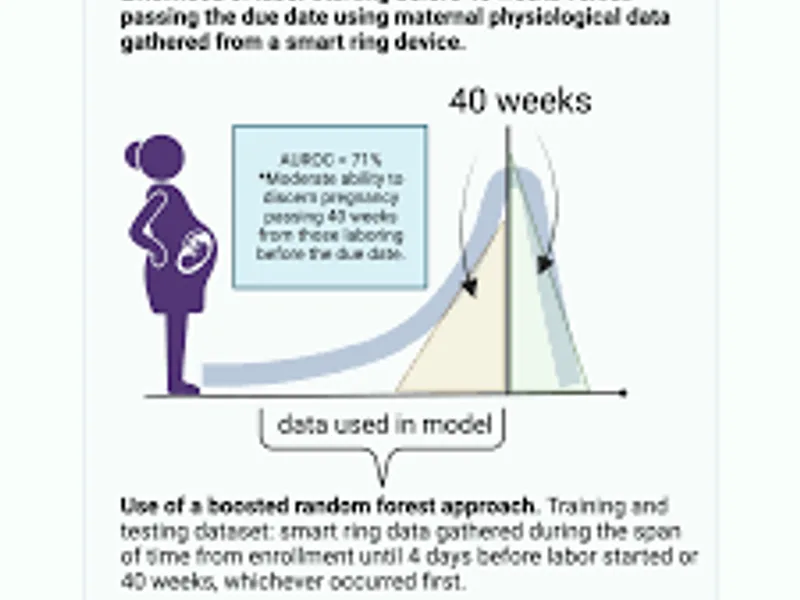
Going past your due date can feel like being stuck in a waiting room with no clock. This guide walks you through what actually happens during monitoring after due date pregnancy — the tests, the decisions, and the emotions nobody really prepares you for.
May 20, 2026
Going past your due date can feel like being stuck in a waiting room with no clock. This guide walks you through what actually happens during monitoring after due date pregnancy — the tests, the decisions, and the emotions nobody really prepares you for.
May 20, 2026
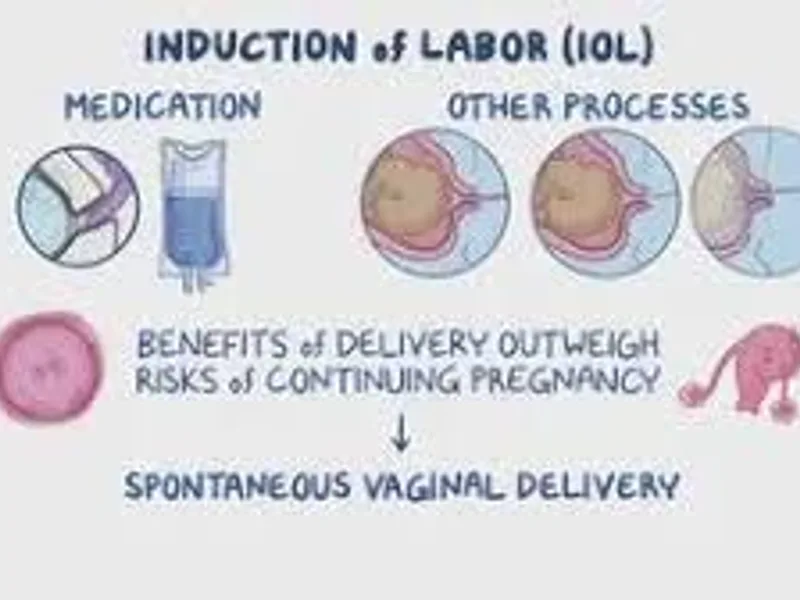
If you’re close to your due date and feeling stuck in waiting mode, this breaks down induction of labor methods in a way that actually makes sense. No jargon, no fluff—just what works, what doesn’t, and what it really feels like from a human perspective.
May 20, 2026