

Emergency & Help
24/7 Emergency & General Advisory
🚨 24/7 Medical Emergency
Non-Emergency Advisory
10:00 AM – 6:00 PM, Mon–Sat
For appointments & general queries.
24/7 Emergency & General Advisory
🚨 24/7 Medical Emergency
Non-Emergency Advisory
10:00 AM – 6:00 PM, Mon–Sat
For appointments & general queries.
Exploring popular theories about using diet to conceive a boy, separating scientifically backed advice from anecdotal beliefs, and offering practical, health-focused guidance for Indian parents-to-be.

Many couples planning a family have a preference for the sex of their baby. For some, this might be about balancing their family, while for others, it might be about cultural reasons, carrying on the family name, or simply a personal desire. In India, like in many cultures, there can be a strong inclination towards having a son. While the desire is understandable, it's important to approach the topic of influencing your baby's sex with accurate information. This article aims to explore the popular theories about using diet to conceive a boy, separating scientifically backed advice from anecdotal beliefs, and offering practical, health-focused guidance for Indian parents-to-be.
The fundamental biological determinant of a baby's sex lies in the chromosomes. A baby inherits an X chromosome from the mother and either an X or a Y chromosome from the father. XX results in a girl, and XY results in a boy. While this is the scientific basis, many people search for ways to influence this outcome. You might have come across various theories, including specific dietary changes. However, it's crucial to understand that there is no scientifically proven diet that guarantees the conception of a boy. Major health organizations and medical experts generally agree that the average couple has very little control over their baby's sex. The idea of manipulating diet to favour one sex over the other is largely based on anecdotal evidence and traditional beliefs, rather than robust scientific research.
One of the most common theories suggests that creating a more alkaline environment in the body can increase the chances of conceiving a boy. Proponents of this idea believe that a higher pH level in the reproductive tract is more favourable for sperm carrying the Y chromosome (which leads to a boy).
While adopting a diet rich in fruits and vegetables is undeniably beneficial for overall health and fertility, there is no concrete scientific evidence to support the claim that it specifically influences the baby's sex. The body has a natural buffering system to maintain a stable pH, and dietary changes are unlikely to significantly alter this internal balance in a way that affects conception.
Another theory, stemming from a 2008 study, suggested a link between higher calorie intake and increased chances of having a boy. The study observed that women who consumed more calories, particularly from breakfast cereals, were slightly more likely to have a male baby. Researchers hypothesized that higher blood glucose levels might favour the conception of a boy.
However, this study's conclusions have been questioned. The UK's National Health Service (NHS), for instance, pointed out potential inaccuracies in the study, advising against making dietary recommendations based on its findings. It's not advisable to drastically increase calorie intake without proper medical guidance, as this can lead to unnecessary weight gain and other health issues, particularly during the crucial period of trying to conceive.
When we look at reliable sources like the Mayo Clinic and scientific reviews, the consensus is clear: there's very little an average couple can do to influence the sex of their baby. The process of conception is complex, and while sperm play a role in determining sex, their characteristics and their journey are influenced by many factors, none of which are reliably altered by a specific diet aimed at sex selection.
Regardless of your hopes for your baby's sex, focusing on a healthy, balanced diet is paramount when trying to conceive. This approach benefits both partners and lays a strong foundation for a healthy pregnancy.
While no diet guarantees a boy, a focus on nutrient-dense foods supports overall fertility.
Consider a couple, Priya and Rohan, who are trying to conceive. Priya has heard from friends that eating a lot of bananas and leafy greens will help them have a boy, as their families have always had sons. Rohan is also trying to eat more fish after reading about the alkaline diet online. While their intentions are good and their focus on healthy foods is positive, they also need to remember that their primary goal is a healthy pregnancy. They should ensure their diet is well-rounded, includes their prenatal vitamins, and consult their doctor about any specific dietary concerns.
It's always best to discuss your family planning goals and any dietary concerns with your healthcare provider. They can offer personalized advice based on your health status and help you navigate the complexities of conception.
A: There is no scientific evidence to prove that any specific diet can guarantee the conception of a boy. While some theories suggest alkaline diets or higher calorie intake might influence the baby's sex, these claims are not scientifically backed.
A: The best diet for fertility is a balanced, nutrient-rich diet that includes whole grains, lean proteins, healthy fats, plenty of fruits and vegetables, and adequate hydration. For women, taking a prenatal vitamin with folic acid is essential.
A: One study suggested a link between eating breakfast cereals and having a boy, possibly due to increased calorie and glucose levels. However, this finding is debated, and health authorities advise against relying on such dietary changes for sex selection.
A: There is no scientific basis for avoiding specific foods to conceive a boy. Focusing on a healthy, balanced diet is more important than restricting or adding certain foods with the hope of influencing your baby's sex.
A: In Vitro Fertilization (IVF) is a medical procedure that can, in some cases, allow for the selection of an embryo's sex. However, this is a complex medical process with ethical, legal, and social implications, and it's not a dietary solution. It is typically used for medical reasons, such as preventing sex-linked genetic disorders.
Visit Hospital
Near You
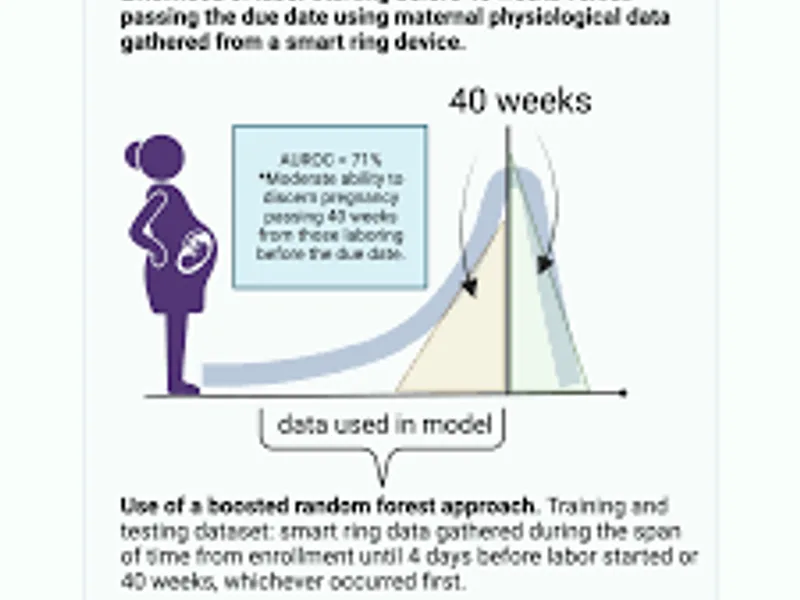
Going past your due date can feel like being stuck in a waiting room with no clock. This guide walks you through what actually happens during monitoring after due date pregnancy — the tests, the decisions, and the emotions nobody really prepares you for.
May 20, 2026
Going past your due date can feel like being stuck in a waiting room with no clock. This guide walks you through what actually happens during monitoring after due date pregnancy — the tests, the decisions, and the emotions nobody really prepares you for.
May 20, 2026
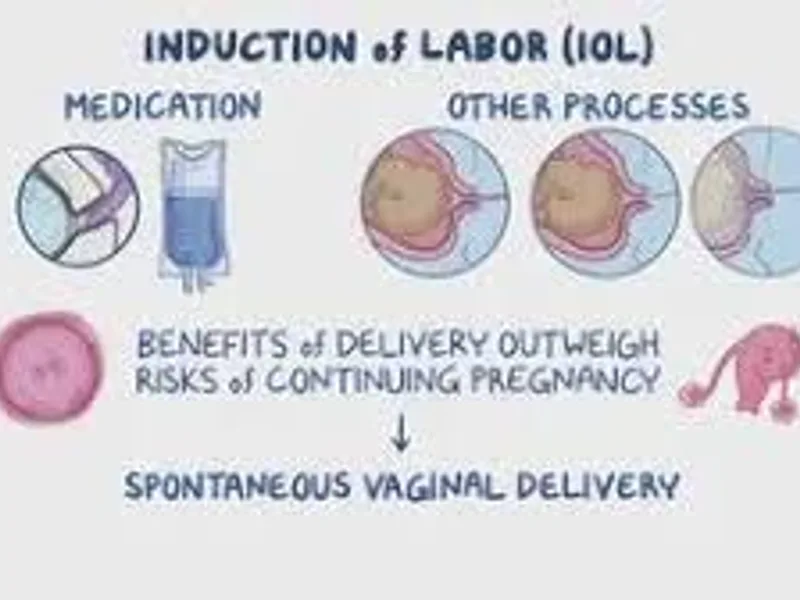
If you’re close to your due date and feeling stuck in waiting mode, this breaks down induction of labor methods in a way that actually makes sense. No jargon, no fluff—just what works, what doesn’t, and what it really feels like from a human perspective.
May 20, 2026