

Emergency & Help
24/7 Emergency & General Advisory
🚨 24/7 Medical Emergency
Non-Emergency Advisory
10:00 AM – 6:00 PM, Mon–Sat
For appointments & general queries.
24/7 Emergency & General Advisory
🚨 24/7 Medical Emergency
Non-Emergency Advisory
10:00 AM – 6:00 PM, Mon–Sat
For appointments & general queries.
Exploring the effectiveness and safety of lactation teas for new mothers. Learn about common herbs, preparation, and when to consult a doctor.

As a new mother, you're likely focused on nurturing your baby and ensuring they get all the nourishment they need. This often means paying close attention to your breast milk supply. You might have heard whispers or even direct recommendations about using 'lactation tea' to boost your milk production. It's a natural thought to explore any avenue that could help your breastfeeding journey. But does this popular herbal blend actually work, and is it safe for you and your little one? Let's explore what the science says and what you need to know. What Exactly is Lactation Tea? Lactation tea, often called 'milk tea' or 'nursing tea', is essentially a blend of various herbs brewed into a tea. It's typically consumed during the postpartum period, with the promise of increasing breast milk supply. The idea is that certain herbs possess galactagogue properties – substances that help promote milk production. Many new mothers turn to these teas hoping for a natural, gentle way to support their breastfeeding efforts. The Science Behind Lactation Tea: What Do Studies Say? When it comes to scientific evidence, the picture for lactation tea is, unfortunately, not crystal clear. More extensive research is definitely needed to definitively prove its effectiveness. However, this doesn't mean it's entirely without merit. Many women share powerful anecdotal evidence, sharing personal stories of how they noticed a significant increase in their milk supply after incorporating lactation tea into their routine. While the herbal blend itself might not have a direct, scientifically proven effect on milk production for everyone, there are other benefits to consider. Drinking extra fluids is paramount for good milk production. So, even if the herbs aren't the primary driver, the simple act of consuming several cups of tea a day ensures you're staying well-hydrated. Furthermore, the ritual of preparing and drinking tea can be a moment of calm for a busy new mother. Taking time for yourself, even just a few minutes, can help reduce stress. Stress can negatively impact milk supply, so anything that promotes relaxation might indirectly support breastfeeding. Some hormones released during relaxation are also thought to be beneficial for milk production. Common Herbs Found in Lactation Teas and Their Traditional Uses Lactation teas typically contain a mix of herbs, each chosen for its purported benefits. Here are some of the most common ingredients: Fenugreek: This is one of the most widely recognized herbs for lactation. While it has a long history of use, scientific studies on its effectiveness are mixed. Some small studies suggest it might help increase milk volume, but more robust research is required. Blessed Thistle: Often included for its digestive benefits, blessed thistle is also traditionally used to support milk supply. However, like many herbs in these blends, there isn't a large body of scientific data specifically proving its efficacy for increasing breast milk. Fennel: Known for its distinct aroma and flavor, fennel has been used for various ailments. Research on its impact on lactation is limited, though a couple of small studies indicated a potential benefit in milk volume. Stinging Nettle: Rich in vitamins and minerals, stinging nettle is a nutritious addition. It's believed to support overall health and well-being during the postpartum period, which can indirectly aid lactation. Goat's Rue: This herb is thought to have benefits for digestion and the adrenal glands, in addition to its potential role in lactation. Small studies suggest it might be helpful, but more research is needed to confirm its milk-producing capabilities. It is generally considered well-tolerated. Moringa: This nutrient-dense plant is gaining popularity for its health benefits, including potential support for milk supply due to its rich vitamin and mineral content. Herbs to Be Cautious About or Avoid It's equally important to know which herbs might not be beneficial or could even be detrimental. Sage , for instance, is often associated with drying up milk supply and is typically recommended during the weaning process, not for boosting production. Safety First: When to Talk to Your Doctor or Lactation Consultant While many herbs in lactation teas are considered generally safe, it's absolutely essential to exercise caution, especially during pregnancy and breastfeeding. Scientific research on the long-term effects and interactions of many herbs is still limited. Your body is going through significant changes postpartum, and what works for one person might not be suitable for another. Before you incorporate any herbal product, including lactation tea, into your diet, a conversation with your healthcare provider or a certified lactation consultant is highly recommended. They can provide the most up-to-date information on safe herbs for breastfeeding mothers and help you identify any potential risks or interactions with medications you might be taking. They can also help you navigate the vast array of products and choose one that aligns with your specific health needs. How to Prepare and Enjoy Lactation Tea Preparing lactation tea is usually straightforward, much like brewing any other herbal tea. Always follow the specific instructions provided on the packaging of your chosen tea, as dosages and steeping times can vary. Generally, the process involves: Boiling fresh water. Pouring the hot water over the tea bag or loose herbs in a mug or teapot. Allowing the tea to steep for the recommended duration (often 5-10 minutes). Removing the tea bag or straining the loose herbs. You can enjoy your lactation tea warm or iced. Many mothers find it helpful to sweeten it slightly with honey (if over one year old) or a natural sweetener, or add a slice of lemon for flavor. Some prefer to brew a larger batch and store it in the refrigerator to drink throughout the day. How Much Lactation Tea Should You Drink? The recommended daily intake can vary depending on the specific blend and the herbs it contains. However, a common guideline is to consume between 1 to 3 cups per day. Always refer to the product's instructions for the most accurate dosage. It's also wise to start with a smaller amount to see how your body reacts before increasing your intake. Where to Find Lactation Tea You can easily find lactation teas in many places: Natural food stores: These stores often have a dedicated section for herbal teas and supplements. Pharmacies and drugstores: Many larger pharmacies carry a selection of herbal teas. Online retailers: Websites like Amazon, as well as specialized health and wellness sites, offer a wide variety of brands and blends. Mother and baby stores: Some stores catering to new mothers may also stock these products. Popular Brands to Consider Several reputable brands offer lactation teas. When choosing a product, look for certifications such as USDA Organic, Non-GMO Verified, and Kosher, which indicate a commitment to quality and purity. Some well-regarded options include: Traditional Medicinals: Their Organic Mother's Milk® Tea is a popular choice, known for sourcing herbs from ethical partnerships. Earth Mama Organics: Their Milkmaid Tea is USDA certified organic, non-GMO verified, and kosher. The packaging is also made from post-consumer recycled materials. A Real-Life Scenario Priya, a new mother in Mumbai, was struggling with what she felt was a low milk supply. Her baby seemed fussy after feeds, and she worried he wasn't getting enough. Her mother suggested trying a lactation tea she'd used years ago. Priya, initially skeptical but eager to try anything, bought a popular brand. She started drinking two cups a day, enjoyed the calming ritual, and made sure to drink plenty of water. Within a few days, she felt her breasts felt fuller, and her baby seemed more content after nursing. While she couldn't be sure if it was solely the tea or the combination of increased hydration and relaxation, the positive change made her feel more confident and less anxious about breastfeeding. Are There Any Side Effects? While generally considered safe, some individuals might experience mild side effects from certain herbs. Fenugreek, for example, can sometimes cause gas, bloating, or a maple syrup-like odor in urine or sweat. Blessed thistle might cause stomach upset in some people. It's important to listen to your body and discontinue use if you experience any adverse reactions. Lactation Tea vs. Other Methods for Increasing Milk Supply Lactation tea is just one tool in the breastfeeding toolkit. Other effective strategies include: Frequent nursing or pumping: The more milk removed from the breast, the more milk your body will produce. Aim for 8-12 nursing or pumping sessions in 24 hours. Ensuring a good latch: A proper latch is key for efficient milk transfer and preventing nipple damage. Staying hydrated: As mentioned, drinking plenty of water is fundamental. Eating a balanced diet: Ensure you're getting enough calories and nutrients to support milk production. Skin-to-skin contact: This practice can help release oxytocin, a hormone vital for milk let-down. Rest: While challenging with a newborn, getting as much rest as possible can significantly impact your milk supply and overall well-being. When to Seek Professional Help If you have persistent concerns about your milk supply, or if your baby is not gaining weight appropriately, it's crucial to consult with a
In summary, timely diagnosis, evidence-based treatment, and prevention-focused care improve long-term health outcomes.
Visit Hospital
Near You
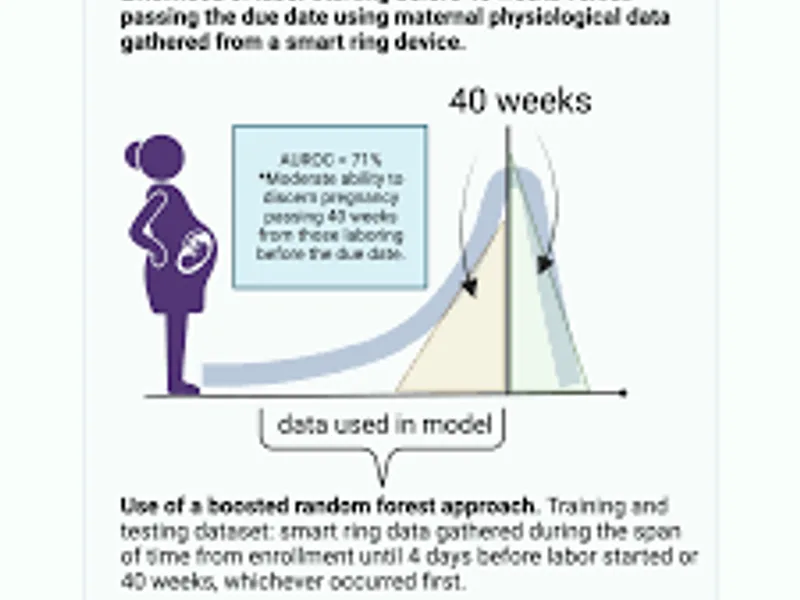
Going past your due date can feel like being stuck in a waiting room with no clock. This guide walks you through what actually happens during monitoring after due date pregnancy — the tests, the decisions, and the emotions nobody really prepares you for.
May 20, 2026
Going past your due date can feel like being stuck in a waiting room with no clock. This guide walks you through what actually happens during monitoring after due date pregnancy — the tests, the decisions, and the emotions nobody really prepares you for.
May 20, 2026
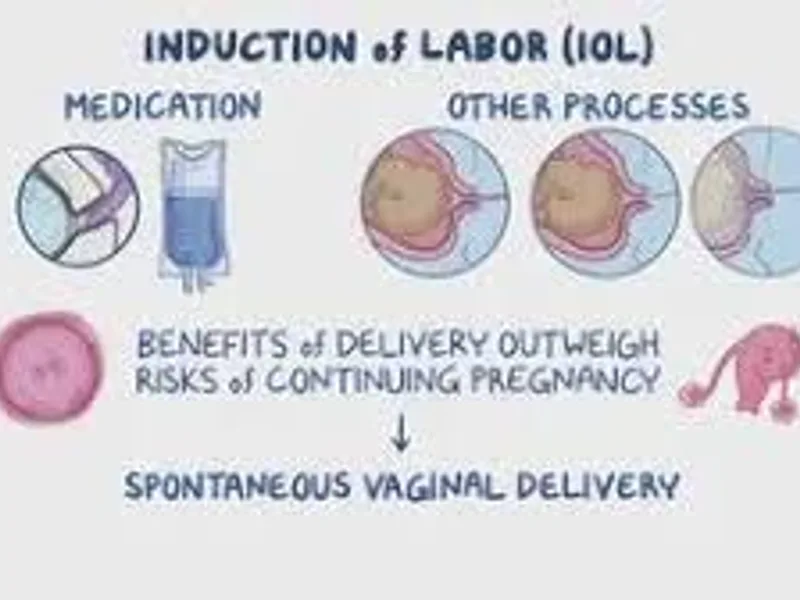
If you’re close to your due date and feeling stuck in waiting mode, this breaks down induction of labor methods in a way that actually makes sense. No jargon, no fluff—just what works, what doesn’t, and what it really feels like from a human perspective.
May 20, 2026