

Emergency & Help
24/7 Emergency & General Advisory
🚨 24/7 Medical Emergency
Non-Emergency Advisory
10:00 AM – 6:00 PM, Mon–Sat
For appointments & general queries.
24/7 Emergency & General Advisory
🚨 24/7 Medical Emergency
Non-Emergency Advisory
10:00 AM – 6:00 PM, Mon–Sat
For appointments & general queries.
Understand the Double Marker Test: what it is, why it's done, and what the results mean for your pregnancy. Learn about this important first-trimester screening.

As you navigate the exciting journey of pregnancy, you'll encounter various medical screenings designed to keep you and your baby healthy. One such screening, often performed in the first trimester, is the double marker test. It might sound technical, but understanding what it is, why it's done, and what the results mean can help you feel more informed and in control during this special time. This test, alongside other early pregnancy assessments, provides valuable insights into your baby's development and can help identify potential risks for certain chromosomal conditions. It's not a definitive diagnosis, but rather a screening tool that helps guide further conversations with your healthcare provider.
The double marker test, also known as maternal serum screening, is a crucial part of the first trimester screening. Think of it as an early detective for potential chromosomal issues in your developing baby. It's not a test that gives you a simple 'yes' or 'no' answer about whether your baby has a condition. Instead, it analyzes specific substances in your blood to calculate the probability or likelihood of certain chromosomal abnormalities. These abnormalities can include Down syndrome (trisomy 21), trisomy 18 (Edwards' syndrome), and trisomy 13 (Patau's syndrome). These conditions occur when there are extra copies of chromosomes instead of the usual two.
This screening test is primarily offered to help assess the risk of specific genetic conditions in the fetus. While many pregnancies proceed without any issues, certain factors can increase a baby's risk for chromosomal abnormalities. These include:
It's important to remember that the double marker test is a screening, not a diagnostic test. A screening identifies individuals who may be at higher risk. If the screening suggests a higher risk, your doctor will discuss further diagnostic tests, which can provide a definitive answer.
The double marker test involves a simple blood draw from your arm. This blood sample is then sent to a laboratory for analysis. The test measures the levels of two specific substances in your blood:
Typically, the double marker test is performed between the 11th and 14th week of pregnancy. This timeframe is critical because the levels of these hormones and proteins are most informative during this period. Your healthcare provider will likely also recommend an accompanying ultrasound called a nuchal translucency (NT) scan around the same time. The NT scan measures the thickness of the fluid-filled space at the back of your baby's neck. The measurements from the NT scan, along with your blood test results and your age, are all combined using a special computer program to calculate your baby's overall risk for certain chromosomal conditions.
Scenario: Imagine you're 12 weeks pregnant and visit your doctor for your routine check-up. Your doctor explains that the next step is the first trimester screening, which includes a blood test (the double marker test) and an ultrasound to measure your baby's neck thickness. You feel a little anxious but appreciate knowing what to expect and that this information can help your doctor monitor your pregnancy closely.
After your blood is drawn, it typically takes about 3 days to a week to receive the results, though this can vary by laboratory. Your doctor's office will inform you how you'll receive your results – whether they'll call you or if you need to call them.
The results will usually be reported as either low-risk or high-risk. It's crucial to understand what these terms mean:
If your result is high-risk, your doctor will discuss options for more definitive diagnostic testing. These might include:
These diagnostic tests can provide a definitive diagnosis, allowing you and your healthcare team to make informed decisions about your pregnancy care.
No, the double marker test and the broader first trimester screening are not mandatory. The decision to undergo this screening is entirely personal. Many healthcare providers recommend it, especially for women over 35 or those with specific risk factors, but the ultimate choice rests with you and your partner. It's a good idea to discuss your concerns and preferences with your OB-GYN or midwife to understand how the results might impact your pregnancy management and your peace of mind.
You should consult your doctor or healthcare provider if:
While the double marker test measures hormones related to pregnancy, it is not designed to determine the baby's sex. Other tests, like the NIPT or later ultrasounds, can provide this information.
A high-risk result can be worrying, but it's essential to remember it indicates an increased *chance*, not a certainty. Panicking won't help. Instead, focus on speaking with your doctor about the next steps for diagnostic testing. Knowledge empowers you to make the best decisions for your pregnancy.
The first trimester screening, which includes the double marker test and NT scan, has a detection rate for Down syndrome of about 80-85%. It's considered a good screening tool, but it's not as accurate as diagnostic tests like CVS or amniocentesis, which have over 99% accuracy.
No, the double marker test specifically screens for markers associated with Down syndrome, trisomy 13, and trisomy 18. It does not screen for all possible birth defects or other genetic conditions.
The double marker test is a simple blood test and carries no risks to you or your baby. The risks are associated with the subsequent diagnostic tests (CVS and amniocentesis) if they are recommended and chosen.
Visit Hospital
Near You
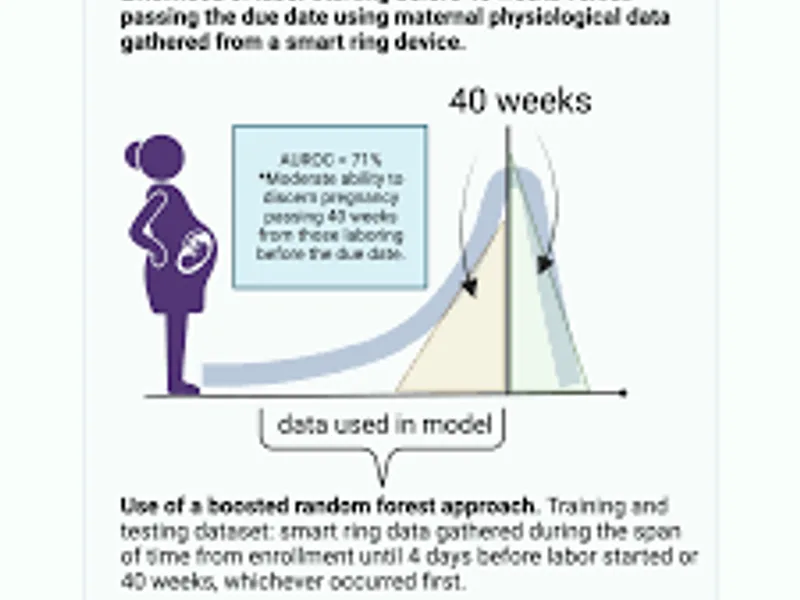
Going past your due date can feel like being stuck in a waiting room with no clock. This guide walks you through what actually happens during monitoring after due date pregnancy — the tests, the decisions, and the emotions nobody really prepares you for.
May 20, 2026
Going past your due date can feel like being stuck in a waiting room with no clock. This guide walks you through what actually happens during monitoring after due date pregnancy — the tests, the decisions, and the emotions nobody really prepares you for.
May 20, 2026
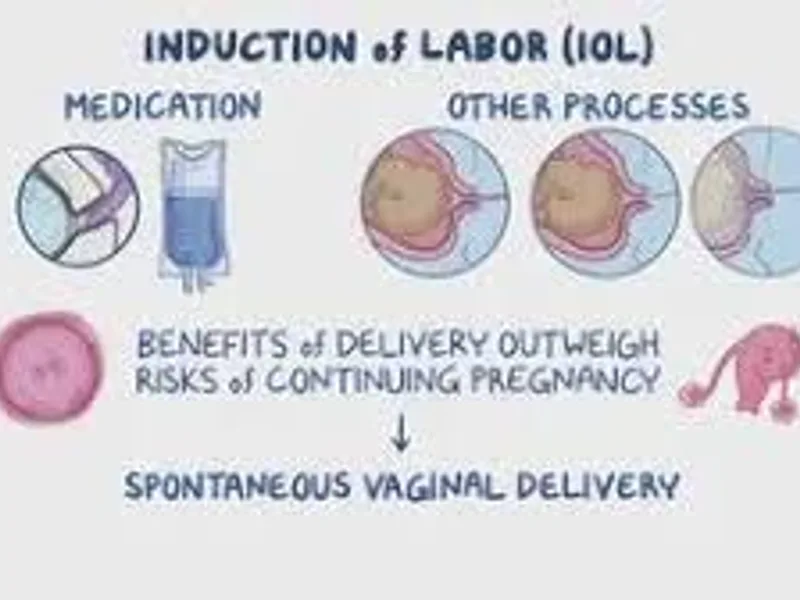
If you’re close to your due date and feeling stuck in waiting mode, this breaks down induction of labor methods in a way that actually makes sense. No jargon, no fluff—just what works, what doesn’t, and what it really feels like from a human perspective.
May 20, 2026