

Emergency & Help
24/7 Emergency & General Advisory
🚨 24/7 Medical Emergency
Non-Emergency Advisory
10:00 AM – 6:00 PM, Mon–Sat
For appointments & general queries.
24/7 Emergency & General Advisory
🚨 24/7 Medical Emergency
Non-Emergency Advisory
10:00 AM – 6:00 PM, Mon–Sat
For appointments & general queries.
Discover the 2 vital early signs of piles in women common in India. Learn to identify and manage this condition effectively.
Hemorrhoids, commonly referred to as swollen veins in the anus and lower rectum, constitute a remarkably prevalent medical condition. This ailment affects millions globally, demonstrating particular prevalence in India due to specific lifestyle elements, including dietary patterns and defecation habits.
Many individuals experience unease or embarrassment when discussing such matters, yet recognizing the initial indicators proves crucial for prompt intervention and alleviation. Females, owing to factors such as gestation and parturition, may exhibit heightened susceptibility to developing these venous swellings.
Identifying the nascent signs of hemorrhoids is essential for effective management. While symptomatic presentations can vary, two critical preliminary indicators frequently manifest:
The observation of bright red blood during or following a bowel movement represents a principal sign. This bleeding typically occurs without pain. Individuals might notice it on toilet tissue or within the toilet basin.
In practical terms, the volume of blood is generally not substantial; however, even a minor streak warrants immediate attention. It is imperative to recall that although commonly linked with hemorrhoids, rectal bleeding can also signify other, more serious medical conditions. Consequently, this symptom should never be disregarded.
And yet, so many people miss it.
Why does bleeding happen?
From a practical standpoint, should this be observed, the initial action involves assessing one's defecation patterns. Is constipation present? Is excessive straining occurring?
Implementing dietary modifications, such as augmenting fiber intake and maintaining hydration, can offer substantial assistance. Nevertheless, consulting a physician remains essential to confirm the diagnosis and preclude other potential etiologies.
A bothersome, unremitting itching or a sensation of irritation around the anal region represents another common initial manifestation. This unease can range from mild to severe and frequently intensifies after defecation or during prolonged periods of sitting. What actions should one take?
Scratching must be avoided, as this can exacerbate the irritation and potentially lead to infection. Instead, gentle cleansing with water after defecation and carefully patting the area dry are recommended.
Factors contributing to itching:
Enduring persistent itching presents considerable challenges. It can impair concentration and diminish overall quality of life.
While straightforward measures, such as wearing cotton undergarments and eschewing harsh soaps, can provide some relief, unremitting itching necessitates medical evaluation. A physician can ascertain the precise cause and propose appropriate therapeutic strategies.
Here's where it gets interesting.
While bleeding and itching stand as the most prevalent initial signs, other indicators may manifest as hemorrhoids progress:
In contrast to the typically painless bleeding, certain forms of hemorrhoids, particularly external ones or those that become thrombosed (where a blood clot forms), can induce considerable pain. This pain frequently intensifies during defecation or while seated.
For many individuals, this unease serves as the first symptom prompting them to seek medical attention.
A small lump or swelling may be felt around the anal aperture. This can be especially noticeable with external hemorrhoids. Many individuals only perceive this when it becomes tender or painful. Regular self-examination can aid in early detection, but gentle assessment is paramount.
Some individuals report feeling that their intestinal tract is not entirely empty after passing stool. This can arise from internal hemorrhoids prolapsing (protruding) slightly, creating a sensation of fullness or obstruction.
For the individual, this represents a subtle sign, yet one that, when combined with other indicators, ought not to be disregarded.
Multiple factors contribute to the emergence of hemorrhoids, with certain elements holding particular relevance for females in India:
A diet deficient in fiber and abundant in processed foods is typical. This predisposes to constipation, a primary catalyst for the development of hemorrhoids.
Traditional Indian diets, while often rich in vegetables, may at times lack adequate fiber if not thoughtfully composed. A heavy reliance on refined grains, such as white rice and refined flour-based roti, exacerbates this issue.
This is where most patients struggle.
Sedentary lifestyles are increasingly prevalent. Prolonged sitting, whether in professional or domestic settings, elevates pressure on the rectal veins. An absence of regular physical activity further worsens constipation.
Gestation imposes additional pressure on the pelvic veins. Hormonal alterations during pregnancy can also induce relaxation of vein walls.
Parturition itself frequently entails major straining, thereby further augmenting the danger. In numerous instances, hemorrhoids developing during pregnancy resolve post-delivery, though this is not universally the case.
Excessive body weight places additional strain on veins throughout the body, including those within the rectal area. This represents a growing concern in India, mirroring global trends.
Both extremes of intestinal function can contribute. Chronic constipation necessitates straining, while chronic diarrhea can irritate the anal lining.
Consulting a physician is imperative if any of the following are experienced:
It is important to remember that prompt diagnosis by a qualified specialist is fundamental to powerful management and the prevention of complications. Specialists at institutions such as AIIMS frequently manage a high volume of such presentations and are equipped to provide expert care.
The strategy for managing hemorrhoids is contingent upon their severity. For nascent-stage hemorrhoids, conservative measures are frequently efficacious:
These form the cornerstone of therapy. Increasing dietary fiber intake (via fruits, vegetables, whole grains), consuming ample water, and avoiding straining during defecation are paramount.
Establishing a consistent defecation routine helps prevent constipation. This can be conceptualized as ensuring the plumbing in one's residence remains unobstructed – regular flushing and the correct type of 'material' make a substantial difference.
Most people overlook this completely.
Over-the-counter (OTC) creams, ointments, and suppositories can furnish temporary relief from itching and pain. These preparations frequently incorporate ingredients such as witch hazel or hydrocortisone. However, they do not resolve the underlying pathology. A physician may prescribe more potent medications if deemed necessary.
For more severe or persistent manifestations, various procedures are accessible. These range from rubber band ligation (occluding the blood vessel) to stapled hemorrhoidectomy (a surgical intervention).
Newer techniques facilitate quicker recovery periods. Esteemed medical organizations, like the World Health Organization (WHO), underscore the significance of selecting the least invasive, yet impactful, option.
Managing hemorrhoids necessitates consistent dedication. Adhering to sound hygiene practices, refraining from prolonged sitting, and incorporating regular, gentle exercise can yield a considerable positive impact. Heed one's bodily signals and do not hesitate to seek professional assistance.
That's the part worth remembering.
Numerous females discover relief through a combination of lifestyle adjustments and medical counsel. Remember, taking proactive measures can significantly enhance one's comfort and overall well-being.
Yes, while incipient hemorrhoids are often painless, external hemorrhoids or those that develop a blood clot (thrombosed hemorrhoids) can induce substantial pain and unease. This pain frequently exacerbates with defecation or extended periods of sitting.
Certain home remedies, such as sitz baths (sitting in warm water), can offer symptomatic relief for itching and unease. Nevertheless, consulting a physician before attempting any remedy is crucial, particularly if rectal bleeding or severe pain is present, to ensure its appropriateness and prevent it from obscuring a more serious issue.
Hemorrhoids themselves do not impact fertility. However, gestation is a typical etiology for hemorrhoids due to elevated pressure and hormonal shifts.
While these venous swellings can induce unease during pregnancy and postpartum, they typically do not pose a direct likelihood to infant health, although severe cases might render delivery more challenging.
Here's where it gets interesting.
Foods that can induce constipation or irritate the digestive system should generally be avoided. This category includes low-fiber items such as white bread, white rice, and processed snacks, alongside spicy foods, excessive caffeine, and alcohol, which can worsen symptoms for some individuals.
Always consult a qualified physician before making medical decisions.
Visit Hospital
Near You
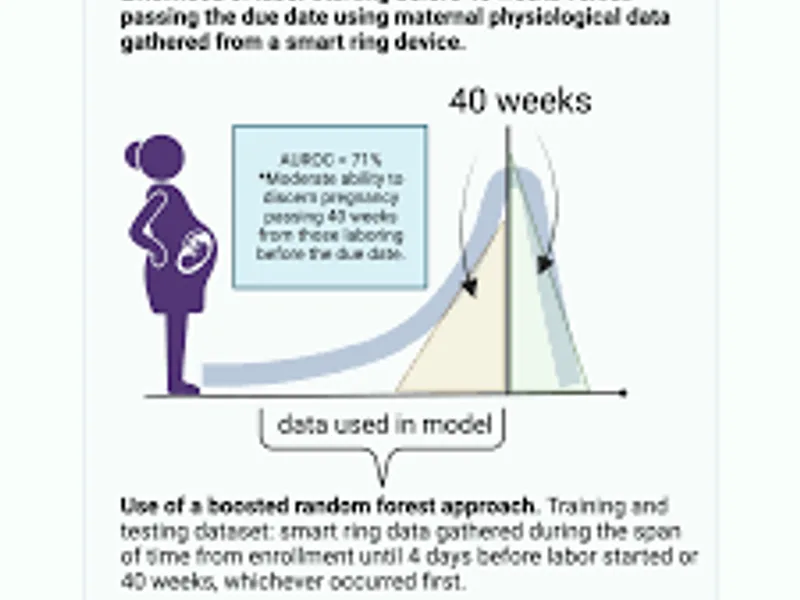
Going past your due date can feel like being stuck in a waiting room with no clock. This guide walks you through what actually happens during monitoring after due date pregnancy — the tests, the decisions, and the emotions nobody really prepares you for.
May 20, 2026
Going past your due date can feel like being stuck in a waiting room with no clock. This guide walks you through what actually happens during monitoring after due date pregnancy — the tests, the decisions, and the emotions nobody really prepares you for.
May 20, 2026
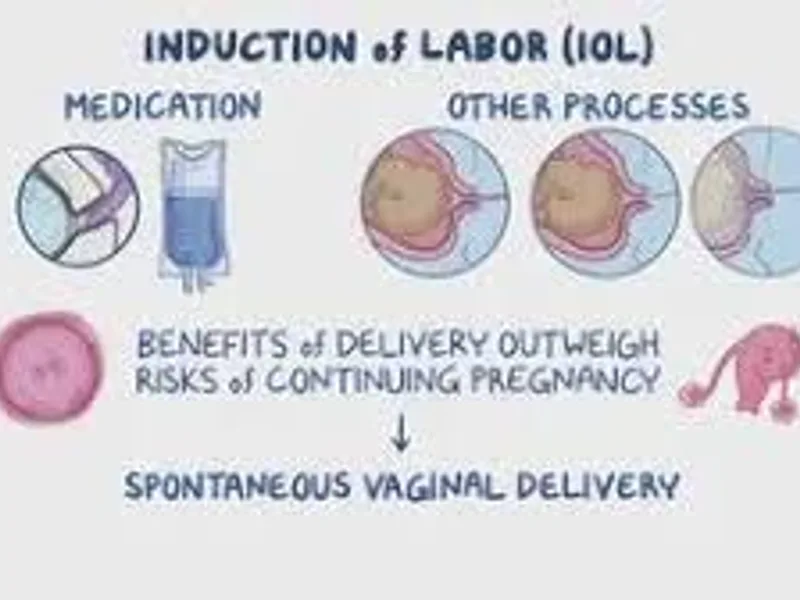
If you’re close to your due date and feeling stuck in waiting mode, this breaks down induction of labor methods in a way that actually makes sense. No jargon, no fluff—just what works, what doesn’t, and what it really feels like from a human perspective.
May 20, 2026