

Emergency & Help
24/7 Emergency & General Advisory
🚨 24/7 Medical Emergency
Non-Emergency Advisory
10:00 AM – 6:00 PM, Mon–Sat
For appointments & general queries.
24/7 Emergency & General Advisory
🚨 24/7 Medical Emergency
Non-Emergency Advisory
10:00 AM – 6:00 PM, Mon–Sat
For appointments & general queries.
Discover the earliest signs of pregnancy, even before 6 weeks. Learn about missed periods, nausea, breast changes, fatigue, and more to understand your body's signals.

Discovering you might be pregnant can bring a whirlwind of emotions. Whether you're overjoyed, a little anxious, or somewhere in between, knowing the earliest signs can be incredibly helpful. Sometimes, especially if you're dealing with irregular cycles or need to make important decisions quickly, spotting potential pregnancy signs even before your missed period is crucial. This guide will walk you through six common indicators that you might be expecting, even before you reach the six-week mark. We’ll cover what's happening in your body and how to interpret these changes, so you can feel more informed and empowered.
Before diving into the signs, let's quickly touch on how pregnancy begins. Conception typically occurs around the time of ovulation, which is usually in the middle of your menstrual cycle. If you have a standard 28-day cycle, ovulation might happen around day 14. This is when an egg is released and can be fertilized by sperm. If fertilization occurs, the fertilized egg then travels to the uterus and implants itself. It’s this implantation and the subsequent hormonal shifts that start triggering many of the early pregnancy symptoms.
It's important to remember that everyone's body is different. Not everyone will experience all of these signs, and some might experience them more intensely than others. Also, some of these symptoms can mimic premenstrual syndrome (PMS), making it tricky to tell the difference sometimes. That's why paying attention to a combination of signs and, eventually, taking a pregnancy test is key.
For those with regular menstrual cycles, a missed period is often the very first and most undeniable sign that you might be pregnant. If your period is late, especially by a few days or more, and you've been sexually active, pregnancy is a strong possibility. However, if your cycles are irregular, a missed period might not be as clear a signal. Stress, illness, significant weight changes, or hormonal imbalances can also cause your period to be delayed or even skipped.
The term "morning sickness" is a bit of a misnomer because nausea and vomiting can strike at any time of day or night. This symptom is quite common, with research suggesting that a large majority of pregnant individuals experience some form of nausea. It often begins a few weeks after conception. For some, it's a mild queasiness; for others, it can be more severe, leading to vomiting. The hormonal surges in early pregnancy are thought to be responsible for these feelings. It's also worth noting that not everyone experiences morning sickness, so its absence doesn't mean you're not pregnant.
Did You Know?
Your breasts can undergo significant changes early in pregnancy. You might notice they feel more tender, sore, or sensitive to the touch. This is due to the hormonal shifts preparing your body for breastfeeding. Veins in your breasts might become more visible, appearing as blue lines. You might also experience tingling sensations or aching in your armpits. The areolae, the area of skin around your nipples, may also become darker and slightly larger.
Distinguishing from PMS: While breast tenderness is also a common PMS symptom, pregnancy-related changes can sometimes feel more intense or be accompanied by other signs like those mentioned above.
An overwhelming sense of tiredness can hit you very early in pregnancy, often long before you might suspect you're expecting. This profound fatigue is largely attributed to the rapid increase in the hormone progesterone. Your body is working overtime to support the developing pregnancy, which can leave you feeling drained, even if you're getting enough sleep. You might find yourself fighting off yawns and feeling an almost constant need to rest.
Do you find yourself needing to use the restroom more often than usual? This increased frequency of urination is another common early pregnancy sign. As your body's blood volume increases, your kidneys process more fluid, leading to more urine production. Additionally, as the uterus begins to grow, it can put pressure on the bladder, increasing the urge to urinate. This can start as early as the first few weeks after conception.
Your sense of smell and taste can become more acute during early pregnancy. Smells that you previously found neutral or even pleasant, like coffee, certain perfumes, or cooking odours, might suddenly become revolting. Conversely, you might develop intense cravings for specific foods. Some people also report a metallic or sour taste in their mouth, even when they haven't eaten anything. These changes are thought to be linked to the hormonal fluctuations happening in your body.
A Note on Sensitivity: These heightened senses can make certain foods, even those you normally enjoy, completely unappealing. Pay attention to these shifts in your appetite and sensory perception.
While the six signs above are among the most common, other changes can occur too:
If you suspect you might be pregnant based on these signs, the next step is to confirm it. A home pregnancy test is usually accurate when taken after a missed period. If your test is positive, or if you have a negative test but your period still hasn't arrived and you have other symptoms, it's a good idea to schedule an appointment with your doctor or a healthcare provider. They can confirm the pregnancy with a blood test or an ultrasound and begin your prenatal care.
It's especially important to seek medical advice promptly if you:
Yes, absolutely. Many people have very mild symptoms or no noticeable symptoms at all in early pregnancy. Some women don't experience any significant signs until much later. A pregnancy test is the most reliable way to know for sure.
Most home pregnancy tests are most accurate when taken on the first day of your missed period. Some highly sensitive tests can detect pregnancy a few days earlier, but it's generally best to wait until you've missed your period for a reliable result.
Stress can cause many physical symptoms, such as fatigue, digestive issues, and even changes in your menstrual cycle. However, stress does not cause a positive pregnancy test. If you're experiencing symptoms and suspect pregnancy, taking a test is the best way to get clarity.
No, implantation bleeding is usually much lighter than a regular period. It typically appears as light spotting or a few drops of blood and may last only a day or two. A period is generally heavier and lasts longer.
Visit Hospital
Near You
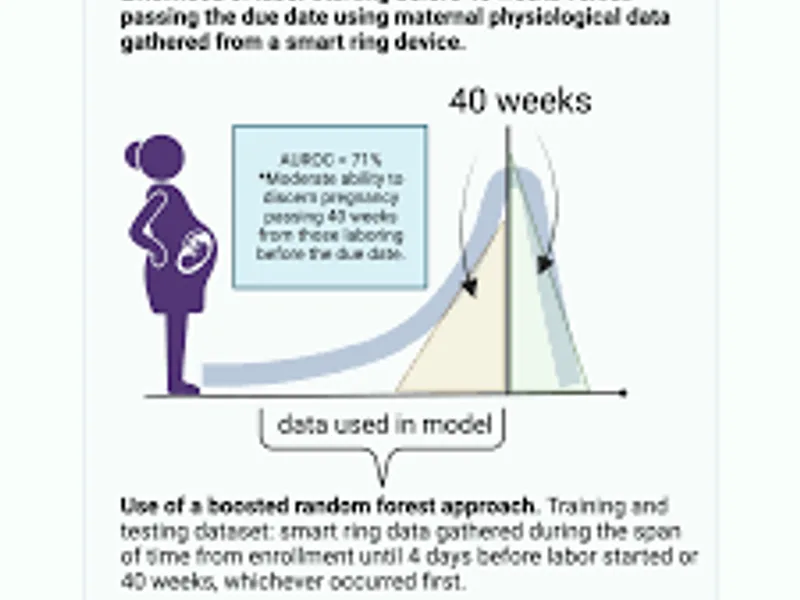
Going past your due date can feel like being stuck in a waiting room with no clock. This guide walks you through what actually happens during monitoring after due date pregnancy — the tests, the decisions, and the emotions nobody really prepares you for.
May 20, 2026
Going past your due date can feel like being stuck in a waiting room with no clock. This guide walks you through what actually happens during monitoring after due date pregnancy — the tests, the decisions, and the emotions nobody really prepares you for.
May 20, 2026
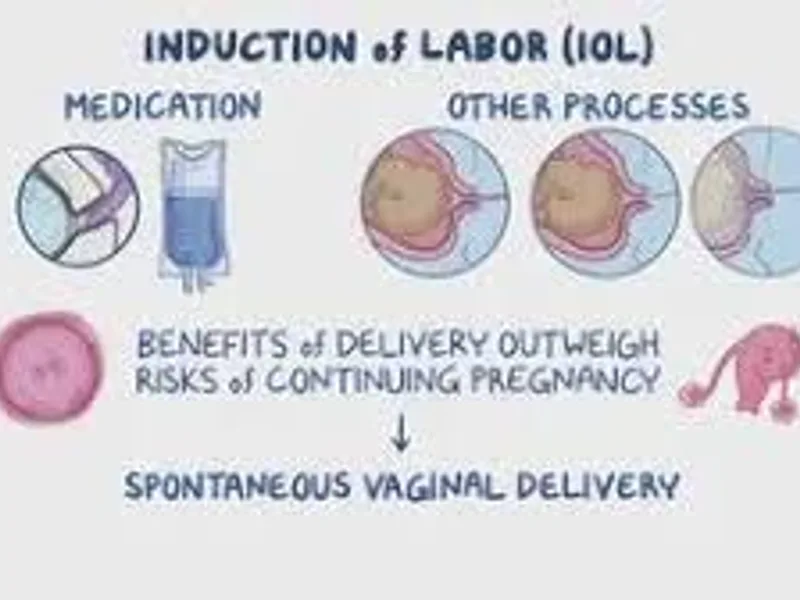
If you’re close to your due date and feeling stuck in waiting mode, this breaks down induction of labor methods in a way that actually makes sense. No jargon, no fluff—just what works, what doesn’t, and what it really feels like from a human perspective.
May 20, 2026