

Emergency & Help
24/7 Emergency & General Advisory
🚨 24/7 Medical Emergency
Non-Emergency Advisory
10:00 AM – 6:00 PM, Mon–Sat
For appointments & general queries.
24/7 Emergency & General Advisory
🚨 24/7 Medical Emergency
Non-Emergency Advisory
10:00 AM – 6:00 PM, Mon–Sat
For appointments & general queries.
Recognize the 53 crucial warning signs of ectopic pregnancy in India. Learn symptoms, risks, and when to seek immediate medical help.
An ectopic pregnancy occurs when a fertilized egg implants outside the uterus, most commonly in a fallopian tube. This condition, often called a tubal pregnancy, is a serious medical emergency. It prevents normal fetal development and can lead to life-threatening bleeding if the fallopian tube ruptures.
What most people miss is that this cannot be a viable pregnancy. In India, awareness and prompt recognition of warning signs are vital for saving lives.
Several factors can increase the risk of an ectopic pregnancy. These include a history of pelvic inflammatory disease (PID), previous ectopic pregnancies, or certain types of fertility treatments like IVF.
Structural abnormalities in the fallopian tubes, such as those caused by endometriosis or fibroids, also play a crucial role. Even without clear danger factors, ectopic pregnancies can occur.
Recognizing the signs early is paramount. While some indicators might seem like normal early pregnancy symptoms, their persistence or unusual severity warrants immediate medical attention. Many of us have heard stories, but the reality is often more complex.
If you experience any of the following, seek emergency medical care immediately. These can indicate a ruptured ectopic pregnancy, a life-threatening event.
In India, factors like delayed marriage, increased rates of STIs leading to PID, and varying access to early reproductive healthcare can influence ectopic pregnancy risks. Think about it this way: early detection often depends on awareness and accessibility to clinics, especially in rural areas.
Recovery is rarely linear.
The Indian Council of Medical Research (ICMR) emphasizes the importance of reproductive health education.
Diagnosing an ectopic pregnancy typically involves a combination of methods. Physicians rely on your medical history, a physical examination, and specific tests. You'll notice that the diagnostic process is thorough. The World Health Organization (WHO) outlines standard diagnostic protocols.
Your doctor will ask about your menstrual cycle, any pain, bleeding, and your sexual and reproductive history. A pelvic exam helps identify any tenderness or masses.
Blood tests measure human chorionic gonadotropin (hCG) levels. This hormone is produced during pregnancy. Serial tests can track hCG levels; a slower rise or plateau can indicate an ectopic pregnancy.
A transvaginal ultrasound is often the primary imaging tool. It allows specialists to visualize the uterus and surrounding structures. They look for a gestational sac outside the uterus.
Sometimes, an abdominal ultrasound might also be used. The All India Institute of Medical Sciences (AIIMS) recommends early and frequent ultrasounds for high-danger individuals.
In some cases, a minimally invasive surgical procedure called laparoscopy may be needed for diagnosis. A small camera is inserted into the abdomen to directly visualize the pelvic organs. This is often done when other tests are inconclusive but suspicion remains high.
therapy depends on the stage of the pregnancy, the patient's issue, and the location of the ectopic pregnancy. Early intervention is key to a better outcome.
For very early ectopic pregnancies without rupture, medication like methotrexate may be used. This injection stops the growth of rapidly dividing cells. It dissolves the existing pregnancy tissue. This approach aims to avoid surgery whenever possible.
It sounds simple. It rarely is.
Surgery is often necessary, especially if the fallopian tube has ruptured or if there's significant internal bleeding. Laparoscopic surgery is typical. A surgeon removes the ectopic tissue, often preserving the fallopian tube if possible. In cases of severe damage or rupture, the affected fallopian tube may need to be removed (salpingectomy).
Experiencing an ectopic pregnancy can be emotionally and physically challenging. It's a loss, and grief is a natural response. Many of us have seen patients struggle with the emotional toll.
Living with this is genuinely hard, and seeking support is crucial. Connecting with support groups or counseling can significantly help in the healing process.
Is there a better way than waiting for severe manifestations? Absolutely. If you suspect you might be pregnant and experience any of the warning signs listed, do not delay.
Contact your doctor or go to the nearest emergency room immediately. Time is of the essence in managing ectopic pregnancies effectively. Relying on quick home remedies is not advisable.
You'll notice that prompt action can prevent severe complications and preserve future fertility. Trust your instincts; if something feels wrong, it's vital to get it checked out by a healthcare professional.
Yes, many women go on to have successful pregnancies after an ectopic pregnancy. Your doctor will assess your individual situation and advise on the best timing and approach for future conception.
Not always, but pain is a very typical symptom. Some women experience mild discomfort, while others have severe, sharp pain. Some may have bleeding without considerable pain, or vice versa.
Home pregnancy tests detect hCG, which is present in both normal and ectopic pregnancies. Therefore, a positive home test doesn't differentiate between the two. An ectopic pregnancy can only be definitively diagnosed by a healthcare professional using blood tests and ultrasounds.
The chance of having another ectopic pregnancy after one is increased, but it is still relatively low. Having one ectopic pregnancy does not mean you will have another. Your doctor can discuss specific risks based on your medical history and any underlying causes.
It sounds simple. It rarely is.
Disclaimer: Always consult a qualified physician before making medical decisions.
Visit Hospital
Near You
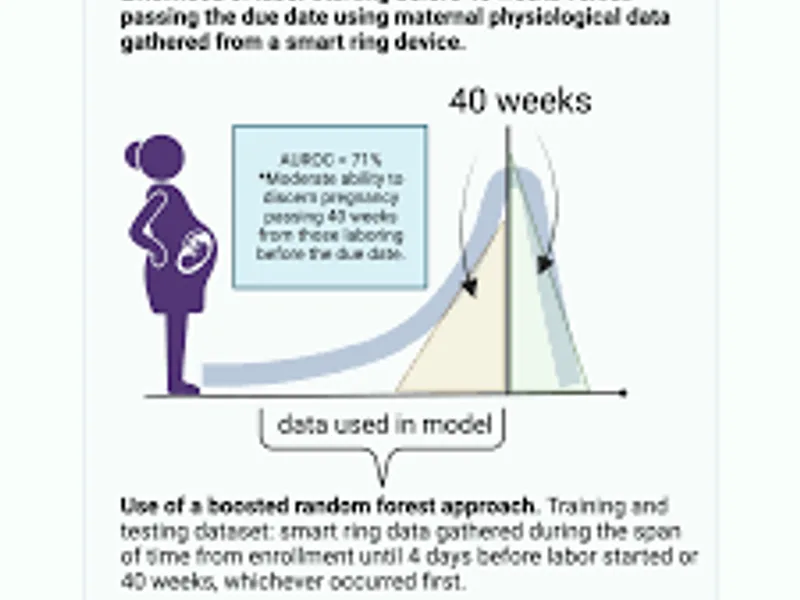
Going past your due date can feel like being stuck in a waiting room with no clock. This guide walks you through what actually happens during monitoring after due date pregnancy — the tests, the decisions, and the emotions nobody really prepares you for.
May 20, 2026
Going past your due date can feel like being stuck in a waiting room with no clock. This guide walks you through what actually happens during monitoring after due date pregnancy — the tests, the decisions, and the emotions nobody really prepares you for.
May 20, 2026
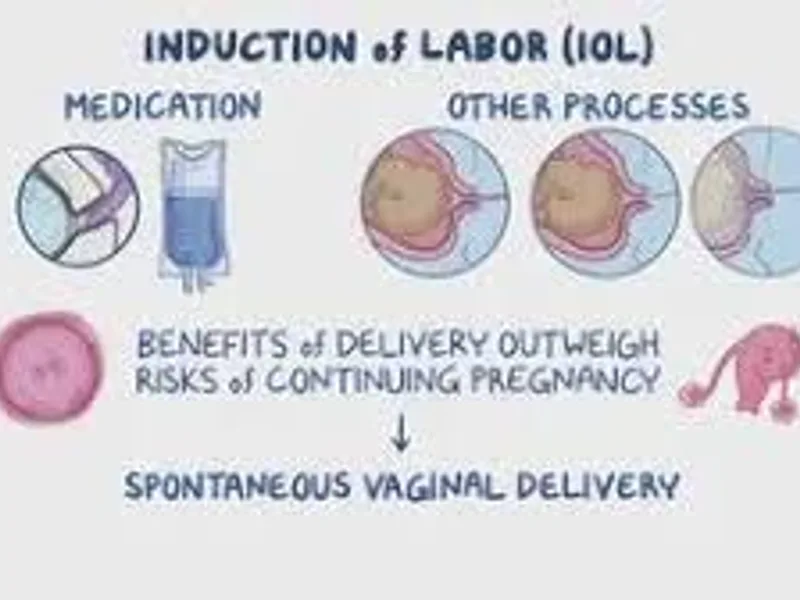
If you’re close to your due date and feeling stuck in waiting mode, this breaks down induction of labor methods in a way that actually makes sense. No jargon, no fluff—just what works, what doesn’t, and what it really feels like from a human perspective.
May 20, 2026