

Emergency & Help
24/7 Emergency & General Advisory
🚨 24/7 Medical Emergency
Non-Emergency Advisory
10:00 AM – 6:00 PM, Mon–Sat
For appointments & general queries.
24/7 Emergency & General Advisory
🚨 24/7 Medical Emergency
Non-Emergency Advisory
10:00 AM – 6:00 PM, Mon–Sat
For appointments & general queries.
Learn how to safely enjoy eggnog during pregnancy by understanding the risks of alcohol and raw eggs, and choose pasteurized, alcohol-free options.
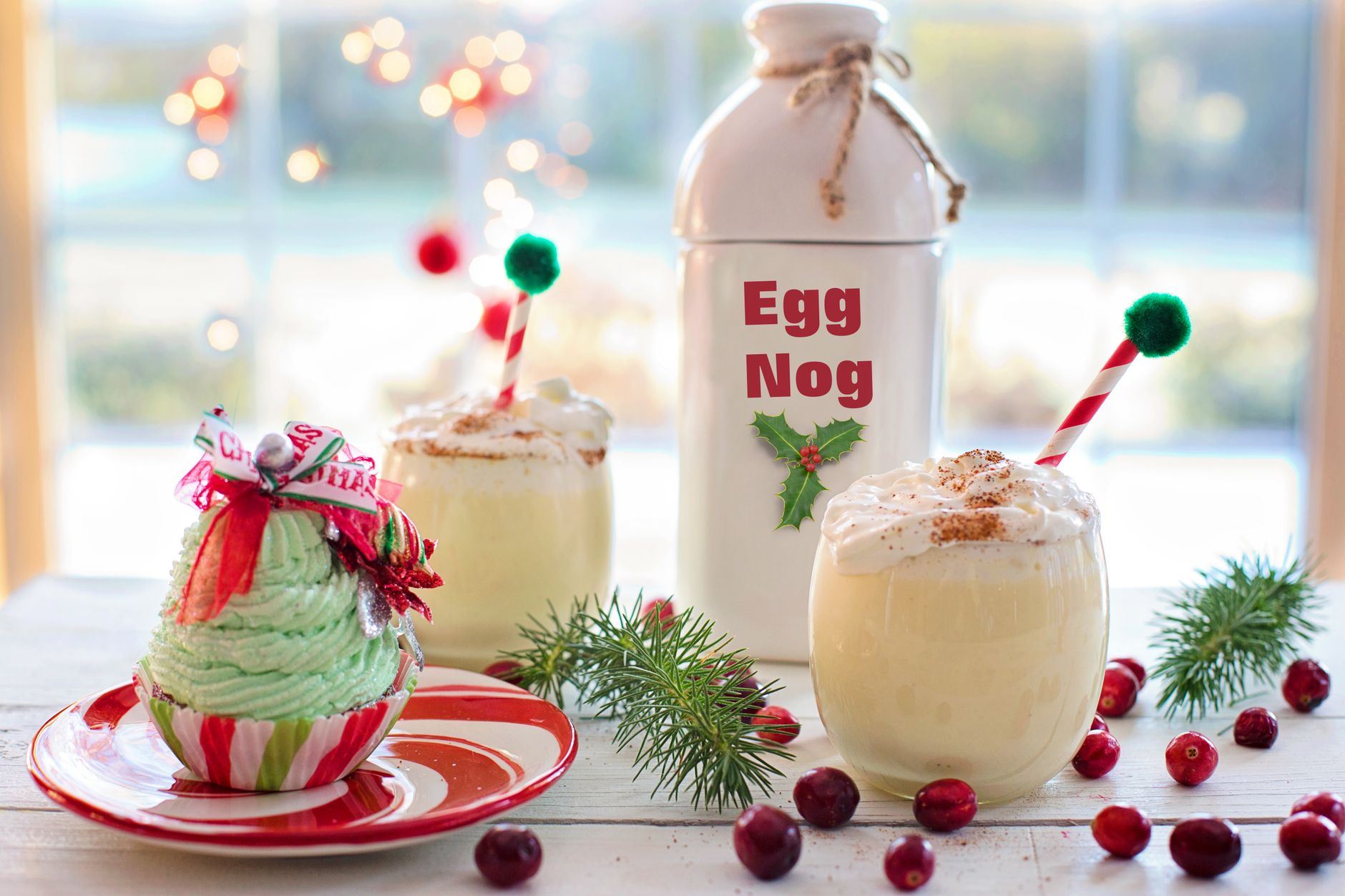
The holiday season often brings to mind cozy evenings, festive decorations, and of course, delicious seasonal treats. For many, eggnog is a quintessential part of this festive cheer. Its rich, creamy texture and warm spices evoke a sense of comfort and celebration. However, if you're expecting a baby, you might find yourself pausing before reaching for that festive mug. The question on many expectant mothers' minds is: 'Is eggnog safe to drink during pregnancy?' The short answer is yes, but with some important precautions.
Pregnancy is a time when you become much more aware of what you consume, and rightly so. What might have been a harmless indulgence before pregnancy can now raise concerns about the well-being of your developing baby. Eggnog, with its unique ingredients, warrants a closer look.
The primary safety concerns surrounding eggnog during pregnancy stem from two key components: alcohol and raw eggs. Let's break down why these are issues and how you can navigate them.
Traditional eggnog recipes often include alcohol, such as rum, brandy, or whiskey. During pregnancy, any amount of alcohol is considered unsafe. When you consume alcohol, it passes directly through the placenta to your baby. This can lead to a range of serious developmental problems, collectively known as Fetal Alcohol Spectrum Disorders (FASD).
FASD can manifest in various ways, impacting a child's physical, cognitive, and behavioral development. These effects can include:
Because the risks are so significant and there's no known safe level of alcohol consumption during pregnancy, it's crucial to avoid all alcoholic beverages. This means if you're offered eggnog at a party or restaurant, you must confirm that it is completely alcohol-free. When in doubt, it's always best to skip it.
Many classic eggnog recipes also call for raw or unpasteurized eggs. While these contribute to the drink's signature creamy texture and rich flavor, they also pose a health risk. Raw eggs can be contaminated with Salmonella, a type of bacteria that causes food poisoning.
Pregnancy naturally alters your immune system, making you more susceptible to foodborne illnesses like salmonella infection. For expectant mothers, the consequences of salmonella can be more severe than for non-pregnant individuals. These risks include:
It is absolutely vital to avoid eggnog made with raw or unpasteurized eggs. This is where careful selection and preparation become paramount.
The good news is that you don't necessarily have to forgo eggnog entirely during the festive season. By being mindful of its preparation and ingredients, you can enjoy this holiday favorite safely.
Commercially produced eggnog in India is generally made with pasteurized eggs. Pasteurization is a process that heats the eggs to a specific temperature to kill harmful bacteria like Salmonella, making them safe to consume. Always check the carton for labels that indicate it's made with pasteurized eggs or has been pasteurized.
If you're making eggnog at home, ensure you use pasteurized eggs. These are available in some supermarkets and will be clearly labeled. If you can't find pasteurized eggs, you can pasteurize the eggs yourself. A common method involves heating the egg mixture to 160°F (71°C) and holding it at that temperature for a few minutes. Using a food thermometer is essential to ensure you reach the correct temperature. This step is critical for eliminating any risk of Salmonella.
A Real-Life Scenario: Maya was attending her office holiday party and saw a beautiful bowl of homemade eggnog. She loved eggnog but remembered her doctor's advice about raw eggs. Instead of taking a chance, she politely asked the host about the ingredients. When the host mentioned it was made with fresh, unpasteurized eggs, Maya thanked them and opted for a sparkling cider instead, feeling confident in her safe choice.
Whether you're buying eggnog or making it, always confirm that it contains absolutely no alcohol. Many store-bought versions are specifically made as non-alcoholic options for everyone to enjoy. If you're making it yourself, simply omit any alcoholic ingredients. If you're at a gathering and unsure about the ingredients, it's always safer to ask or choose a different beverage.
While not a primary ingredient in traditional eggnog, some recipes or store-bought versions might include ingredients that contribute to caffeine intake. The American College of Obstetricians and Gynecologists (ACOG) recommends that pregnant women limit their caffeine intake to no more than 200 milligrams per day. While eggnog itself is unlikely to be high in caffeine, it's a good reminder to consider your total daily caffeine consumption from all sources, including tea, coffee, and chocolate.
While enjoying eggnog safely during pregnancy is generally achievable with the right precautions, it's always wise to discuss any dietary concerns with your healthcare provider. If you have any underlying health conditions, such as gestational diabetes, or if you have concerns about specific ingredients, your doctor can provide personalized advice.
Don't hesitate to ask your doctor about:
Yes, most store-bought eggnog is safe because it is made with pasteurized eggs and is alcohol-free. Always check the label to confirm.
If you've consumed a small amount of eggnog with alcohol, don't panic, but inform your doctor. They can advise you on any potential risks and recommend the best course of action.
Homemade eggnog can be riskier if it's made with raw, unpasteurized eggs. However, if you use pasteurized eggs or properly heat the mixture yourself, it can be just as safe as store-bought.
Eggnog is typically high in sugar and fat. If you have gestational diabetes, you should discuss eggnog consumption with your doctor or a registered dietitian to see if it fits into your meal plan.
Enjoying festive traditions is an important part of the holiday season. By staying informed and making safe choices, you can savor your favorite treats, like eggnog, without compromising your health or your baby's. Happy holidays!
Visit Hospital
Near You
Going past your due date can feel like being stuck in a waiting room with no clock. This guide walks you through what actually happens during monitoring after due date pregnancy — the tests, the decisions, and the emotions nobody really prepares you for.
May 20, 2026
Going past your due date can feel like being stuck in a waiting room with no clock. This guide walks you through what actually happens during monitoring after due date pregnancy — the tests, the decisions, and the emotions nobody really prepares you for.
May 20, 2026
If you’re close to your due date and feeling stuck in waiting mode, this breaks down induction of labor methods in a way that actually makes sense. No jargon, no fluff—just what works, what doesn’t, and what it really feels like from a human perspective.
May 20, 2026