

Emergency & Help
24/7 Emergency & General Advisory
🚨 24/7 Medical Emergency
Non-Emergency Advisory
10:00 AM – 6:00 PM, Mon–Sat
For appointments & general queries.
24/7 Emergency & General Advisory
🚨 24/7 Medical Emergency
Non-Emergency Advisory
10:00 AM – 6:00 PM, Mon–Sat
For appointments & general queries.
Considering elderberry for cold and flu symptoms during pregnancy? Here's what the research says (and doesn't say) about its safety, potential risks, and alternatives.

Pregnancy is a special time, but it also comes with a lot of questions, especially when it comes to what you can and cannot consume. You might be feeling under the weather and wondering if natural remedies like elderberry can help. Elderberry has been used for centuries as a traditional remedy for colds and flu, and many people are turning to it as a drug-free option. However, when you're pregnant, your body is going through significant changes, and what might be safe for others may not be safe for you. This is where the question arises: Is it safe to take elderberry while pregnant?
Elderberry comes from the Sambucus nigra plant, commonly known as the European elderberry. It's a popular ingredient in syrups, teas, gummies, and lozenges, often marketed for its potential to boost the immune system and fight off cold and flu symptoms. The plant contains antioxidants and vitamins that proponents believe can help your body recover faster.
This is where things get a bit murky. The honest truth is that there isn't enough solid scientific research to definitively say whether elderberry is safe for pregnant individuals.
Some studies have shown promising results for elderberry in non-pregnant individuals. For instance, a 2019 meta-analysis of studies suggested that elderberry could reduce upper respiratory symptoms in people with the flu and common cold. Another study from 2016 indicated that it might decrease the duration and severity of colds in air travelers. However, other research has been less convincing, with one recent study suggesting elderberry wasn't effective in shortening the flu or reducing its symptoms.
This conflicting evidence highlights the need for more research. More importantly, specific studies on pregnant women are lacking. Without this targeted research, it's difficult for medical professionals to give a clear recommendation.
It's important to remember that elderberry products are often sold as dietary supplements. Unlike medications, supplements are not strictly regulated by the Food and Drug Administration (FDA) in the same way. This means their purity, potency, and even the accuracy of their ingredients can vary. If you choose to take an elderberry supplement, it's vital to select a reputable brand that adheres to Good Manufacturing Practices (GMP).
While cooked elderberry preparations are generally considered safer, raw or uncooked parts of the elderberry plant can be problematic. These parts, including the leaves, stems, and unripe berries, contain compounds like lectin and cyanide. Consuming these can lead to unpleasant gastrointestinal issues such as:
Commercially prepared elderberry products are typically made from cooked berries or extracts, which significantly reduces the risk of these side effects. However, it's still a point to consider, especially if you're thinking about making your own elderberry remedies at home.
During pregnancy, your body's needs change, and this includes your requirement for certain nutrients like zinc. The recommended dietary allowance for zinc increases during pregnancy to 11 milligrams (mg) per day, compared to 8 mg for non-pregnant individuals. Zinc plays a vital role in cell growth and immune function, both critical during pregnancy.
However, it's essential to be mindful of the dosage. The upper limit for daily zinc intake during pregnancy is 40 mg. Many over-the-counter cold and flu remedies, which might contain zinc or be taken alongside elderberry, can push you close to or even exceed this limit. Excessive zinc intake can have its own set of side effects and can interfere with the absorption of other essential minerals like copper.
Imagine Sarah, an expectant mother in her second trimester, feeling the first signs of a cold. She remembers her mother always giving her elderberry syrup when she was sick as a child. Sarah heads to the local health store, looking for a natural remedy to ease her symptoms without resorting to medication. She picks up a popular elderberry gummy supplement, wondering if it's the best choice for her and her baby.
Given the lack of definitive safety data for elderberry during pregnancy, the most responsible approach is to always speak with your healthcare provider before taking any new supplements or remedies, including elderberry. Your doctor can provide personalized advice based on your health history, current condition, and the stage of your pregnancy. They can help you weigh the potential benefits against the unknown risks.
Here are some situations where consulting your doctor is particularly important:
If your doctor gives you the green light to try elderberry, they will likely advise you on:
If elderberry isn't recommended or you prefer to err on the side of caution, there are other safe ways to manage cold and flu symptoms during pregnancy:
While gummies are a convenient form, the safety of elderberry gummies during pregnancy is still not well-established due to a lack of specific research. It's best to consult your doctor before using them.
As with gummies, the safety of elderberry syrup for pregnant individuals is not confirmed by robust scientific studies. Always discuss with your healthcare provider before consuming.
Eating raw or uncooked elderberries, leaves, or stems can cause nausea, vomiting, diarrhea, and stomach cramps due to the presence of cyanide and lectin.
While elderberry is often used for colds, its safety during pregnancy is unknown. It's advisable to explore other, well-researched remedies and consult your doctor for advice.
Visit Hospital
Near You
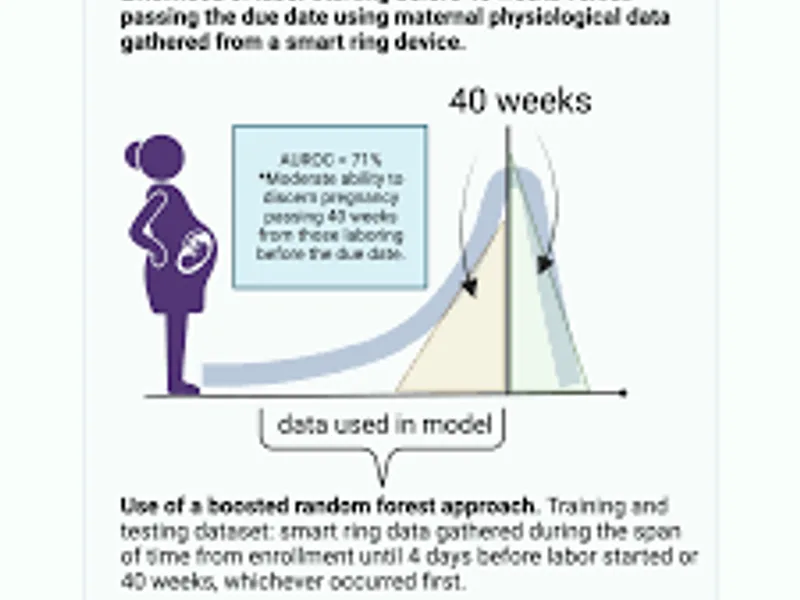
Going past your due date can feel like being stuck in a waiting room with no clock. This guide walks you through what actually happens during monitoring after due date pregnancy — the tests, the decisions, and the emotions nobody really prepares you for.
May 20, 2026
Going past your due date can feel like being stuck in a waiting room with no clock. This guide walks you through what actually happens during monitoring after due date pregnancy — the tests, the decisions, and the emotions nobody really prepares you for.
May 20, 2026
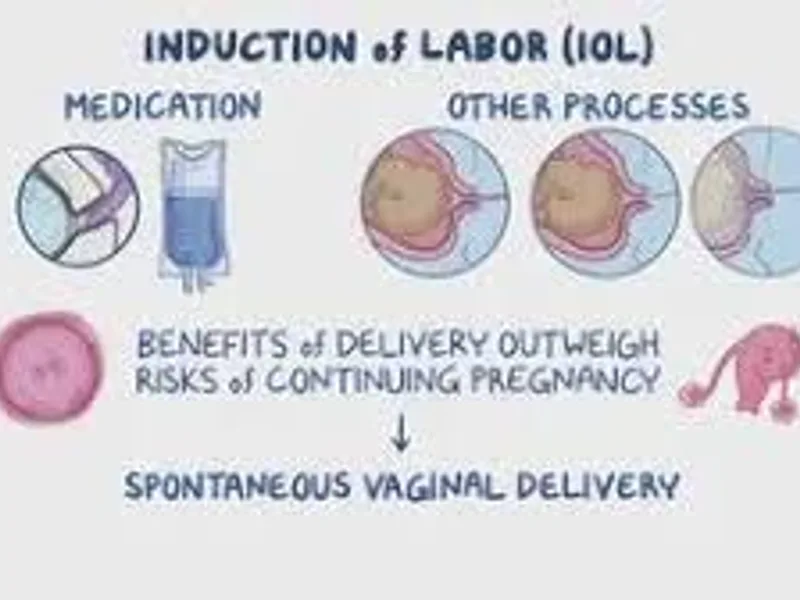
If you’re close to your due date and feeling stuck in waiting mode, this breaks down induction of labor methods in a way that actually makes sense. No jargon, no fluff—just what works, what doesn’t, and what it really feels like from a human perspective.
May 20, 2026