

Emergency & Help
24/7 Emergency & General Advisory
🚨 24/7 Medical Emergency
Non-Emergency Advisory
10:00 AM – 6:00 PM, Mon–Sat
For appointments & general queries.
24/7 Emergency & General Advisory
🚨 24/7 Medical Emergency
Non-Emergency Advisory
10:00 AM – 6:00 PM, Mon–Sat
For appointments & general queries.
Navigate the emotional roller coaster of pregnancy with practical tips for joy and well-being. Discover strategies for happiness, managing anxiety, and embracing this special time.

Pregnancy is a beautiful journey, often filled with anticipation and joy. However, it's also completely normal to experience a wide spectrum of emotions, from excitement and happiness to anxiety and overwhelm. If you're finding yourself struggling to feel your happiest during these nine months, remember you are not alone. This period brings immense physical and emotional changes, and navigating them can be challenging. This guide is designed to help you find more moments of joy and well-being throughout your pregnancy, offering practical tips grounded in what we know about maternal health and happiness. While the desire for a happy pregnancy is common, external factors and internal experiences significantly influence our emotional state. Studies suggest that women who feel supported in their relationships, both romantic and platonic, tend to experience greater satisfaction during this transition. However, pre-existing health conditions, whether physical or mental, can also play a role in how you feel. It's essential to acknowledge that even if you eagerly anticipated becoming pregnant, experiencing mixed feelings is perfectly valid. Pregnancy is a complex time, and honouring all your emotions is part of the process. Understanding Pregnancy Emotions The hormonal shifts during pregnancy can act like a roller coaster, leading to mood swings that can be surprising and sometimes disconcerting. Beyond hormones, the physical discomforts like nausea, fatigue, and back pain can impact your emotional well-being. Add to this the life changes ahead – becoming a mother, adjusting your lifestyle, and financial concerns – and it’s easy to see why a range of feelings is to be expected. It’s not about forcing happiness, but about creating conditions that allow it to flourish. Tips for Cultivating Pregnancy Happiness While every pregnancy is unique, several strategies can help you foster a sense of contentment and joy. These aren't about ignoring difficult emotions but about building resilience and actively seeking out positive experiences. 1. Plan for Labour and Delivery Knowledge is power, and understanding what to expect during labour and delivery can significantly reduce anxiety. Attending antenatal classes provides valuable information about the birthing process, pain management options, and what to anticipate. Learning about these aspects empowers you to make informed decisions about your care. Consider Continuous Support: Research highlights the benefits of continuous support during labour. This could come from your partner, a family member, or a doula. A doula, in particular, offers non-medical support throughout your pregnancy, labour, and postpartum period, providing emotional and physical comfort. Having a trusted support system can ease your worries and contribute to a more positive birth experience. 2. Embrace the Power of Touch Gentle touch, such as massage, can have profound benefits for both physical and emotional well-being during pregnancy. Prenatal massage can help relieve muscle tension, reduce stress hormones, and alleviate common pregnancy discomforts like back pain and swelling. It's a wonderful way to relax, connect with your changing body, and promote a sense of calm. Seeking Professional Help: If you're experiencing significant discomfort or stress, consider seeking a qualified prenatal massage therapist. They are trained to perform massage safely during pregnancy, focusing on areas that provide relief without causing harm. Even a simple hand or foot massage from a loved one can be incredibly soothing. 3. Aromatherapy for Mood Enhancement Certain scents have a remarkable ability to influence our mood and memories. Aromatherapy uses essential oils to promote relaxation and well-being. For pregnant individuals, calming scents like lavender, chamomile, or ylang-ylang can be particularly beneficial. Safe Usage: Always use essential oils safely and sparingly during pregnancy. Dilute them properly with a carrier oil (like coconut or almond oil) before applying to the skin. Diffusing oils in your room can also create a calming atmosphere. Avoid ingesting essential oils and consult your doctor or a certified aromatherapist if you have any concerns or pre-existing conditions. 4. Prioritise Sleep Adequate sleep is fundamental for both your health and your mood. As your pregnancy progresses, finding a comfortable sleeping position can become challenging. Experiment with pregnancy pillows, side sleeping, and using extra cushions to support your body. Establish a Routine: Aim for a consistent sleep schedule, going to bed and waking up around the same time each day, even on weekends. Create a relaxing bedtime routine, perhaps involving a warm bath, a good book, or gentle stretching. Avoid caffeine and heavy meals close to bedtime. 5. Nourish Your Body and Mind A balanced diet plays a vital role in your overall health and can impact your energy levels and mood. Focus on whole foods, including plenty of fruits, vegetables, lean proteins, and whole grains. Staying hydrated is also crucial. Mindful Eating: Pay attention to how different foods make you feel. Sometimes, specific dietary changes can alleviate symptoms like nausea or fatigue. If you're unsure about your nutritional needs, consult a registered dietitian or nutritionist who specialises in prenatal nutrition. 6. Gentle Exercise Regular physical activity can be a powerful mood booster. Low-impact exercises like walking, swimming, prenatal yoga, or gentle aerobics can improve circulation, reduce stress, and enhance your sense of well-being. Exercise releases endorphins, which have natural mood-lifting effects. Listen to Your Body: Always consult your doctor before starting or continuing an exercise program during pregnancy. Choose activities that feel good and avoid overexertion. Pregnancy-specific fitness classes can be a great way to stay active safely and connect with other expectant mothers. 7. Stay Connected Social support is incredibly important during pregnancy. Make time for friends and family who uplift you. Sharing your experiences, fears, and joys with trusted individuals can provide immense comfort and reduce feelings of isolation. Build Your Village: Consider joining a prenatal support group or connecting with other expectant mothers online or in person. Sharing experiences with those going through similar life stages can create a strong sense of community and mutual understanding. 8. Practice Mindfulness and Relaxation Techniques like deep breathing exercises, meditation, and mindfulness can help manage stress and promote a sense of peace. Even a few minutes of focused breathing each day can make a difference. Guided Meditations: Many apps and online resources offer guided meditations specifically for pregnancy. These can help you relax, focus on your breath, and cultivate a positive mindset. Find what works best for you and incorporate it into your daily routine. 9. Manage Expectations It's easy to fall into the trap of believing pregnancy should be a constant state of bliss. Acknowledge that there will be challenging days, and that's perfectly okay. Celebrate the small victories and be kind to yourself during difficult moments. Self-Compassion is Key: Treat yourself with the same kindness and understanding you would offer a close friend. Remind yourself that you are doing an amazing job navigating this significant life transition. 10. Seek Professional Support When Needed If you are experiencing persistent feelings of sadness, anxiety, or overwhelm that interfere with your daily life, don't hesitate to seek professional help. Your doctor, midwife, or a mental health professional can provide support and guidance. Talk to Your Healthcare Provider: They can assess your situation, rule out any underlying medical causes, and recommend appropriate resources, such as therapy or support groups. Remember, seeking help is a sign of strength, not weakness. When to Seek Additional Help While mood swings and emotional ups and downs are common during pregnancy, certain signs may indicate a need for professional intervention. If you experience: Persistent feelings of sadness, hopelessness, or emptiness Loss of interest in activities you once enjoyed Significant changes in appetite or sleep patterns Intense anxiety, panic attacks, or obsessive thoughts Thoughts of harming yourself or your baby Difficulty bonding with your baby during pregnancy These could be signs of perinatal depression or anxiety. It is vital to speak with your healthcare provider immediately if you notice any of these symptoms. Early intervention can make a significant difference in your well-being and the health of your pregnancy. A Real-Life Scenario Meena, in her second trimester, felt increasingly withdrawn. While her friends shared joyful pregnancy updates, she found herself feeling a constant sense of dread and struggling to enjoy the anticipation. She worried about her ability to be a good mother and felt guilty for not feeling as happy as she thought she should. After a difficult conversation with her husband, she decided to speak with her obstetrician, who reassured her that her feelings were valid and referred her to a therapist specializing in perinatal mental health. With support, Meena began to manage her anxiety and reconnect with the positive aspects of her pregnancy. Frequently Asked Questions (FAQs) Q1: Is it normal to feel anxious during pregnancy? Yes, it is very normal to feel anxious during pregnancy. Hormonal changes, the reality of childbirth, and the responsibility of raising a child can all contribute to anxiety. If your anxiety is persistent or overwhelming, speaking with your doctor is recommended. Q2: Can I use essential oils for relaxation during pregnancy? Certain essential oils, like lavender and chamomile, can be used safely for relaxation during pregnancy, typically diffused or diluted in a carrier oil. However, always use them
In summary, timely diagnosis, evidence-based treatment, and prevention-focused care improve long-term health outcomes.
Visit Hospital
Near You

Going past your due date can feel like being stuck in a waiting room with no clock. This guide walks you through what actually happens during monitoring after due date pregnancy — the tests, the decisions, and the emotions nobody really prepares you for.
May 20, 2026
Going past your due date can feel like being stuck in a waiting room with no clock. This guide walks you through what actually happens during monitoring after due date pregnancy — the tests, the decisions, and the emotions nobody really prepares you for.
May 20, 2026
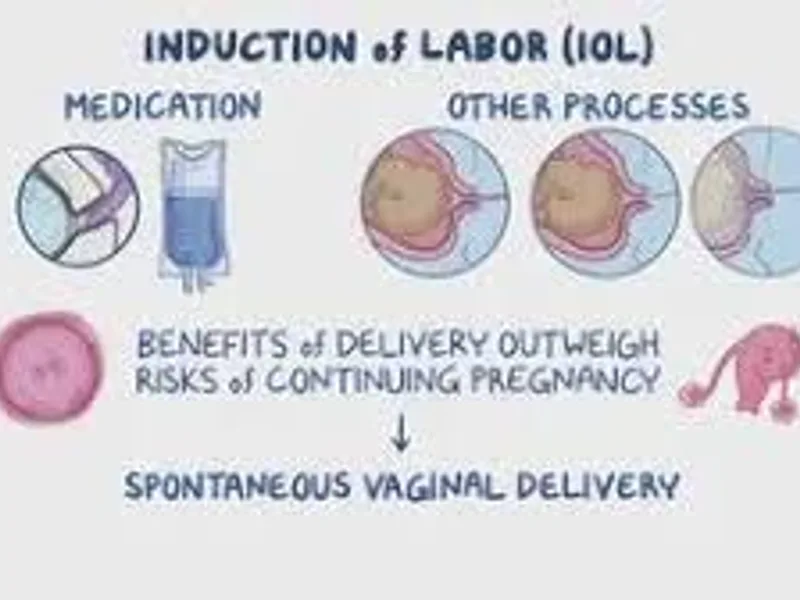
If you’re close to your due date and feeling stuck in waiting mode, this breaks down induction of labor methods in a way that actually makes sense. No jargon, no fluff—just what works, what doesn’t, and what it really feels like from a human perspective.
May 20, 2026