

Emergency & Help
24/7 Emergency & General Advisory
🚨 24/7 Medical Emergency
Non-Emergency Advisory
10:00 AM – 6:00 PM, Mon–Sat
For appointments & general queries.
24/7 Emergency & General Advisory
🚨 24/7 Medical Emergency
Non-Emergency Advisory
10:00 AM – 6:00 PM, Mon–Sat
For appointments & general queries.
Wondering if Emergen-C is safe during pregnancy or nursing? Learn about vitamin C needs, potential risks, and safer alternatives to keep you and your baby healthy. Consult your doctor before taking any supplements.

As a pregnant woman, your health and the health of your developing baby are top priorities. During cold and flu season, or when feeling under the weather, you might be tempted to reach for popular supplements like Emergen-C, which promises a potent dose of vitamin C to support your immune system. But before you mix that fizzy powder into your water, it’s essential to understand if it’s safe and appropriate for you and your baby. This guide will walk you through what you need to know about taking Emergen-C while pregnant or nursing, based on expert advice and current recommendations.
Emergen-C is a brand of dietary supplements primarily known for its high vitamin C content. Available in various forms like powders, gummies, and chewables, it’s often used to boost the immune system, especially during times of increased illness risk. Different Emergen-C products contain varying amounts of vitamin C, with some immune-support formulas offering up to 1,000 milligrams (mg) per serving. Other varieties might include additional vitamins like D and E, electrolytes such as calcium and sodium, and even probiotics, elderberries, melatonin, ginseng, or caffeine.
Vitamin C is a vital nutrient for everyone, playing a role in immune function, collagen production, and antioxidant protection. However, your body’s needs change during pregnancy and breastfeeding. According to the Office of Dietary Supplements (ODS),:
It’s important to note that most prenatal vitamins already contain a significant amount of vitamin C, typically around 85 mg per serving. This amount is usually sufficient to meet your daily requirements under normal circumstances.
While vitamin C is essential, excessive intake can lead to adverse effects. The makers of Emergen-C suggest that consuming more than 2,000 mg of vitamin C per day is not advised. The ODS corroborates this, establishing 2,000 mg as the upper daily limit (UL) for pregnant and breastfeeding women over 19. Short-term consumption above this limit might cause mild digestive issues like nausea or diarrhea. However, long-term intake of very high doses, sometimes referred to as “megadoses,” has been linked in some research to potential problems such as kidney stones or increased iron absorption, which could be problematic.
Your prenatal vitamin is carefully formulated to provide the essential nutrients you need during pregnancy, including vitamin C. It delivers a consistent, appropriate amount that supports your health without exceeding safe limits. Emergen-C, on the other hand, often provides much higher doses of vitamin C, sometimes exceeding the daily recommended intake significantly with just one serving. For instance, a 1,000 mg serving of Emergen-C is more than ten times the daily requirement for a pregnant woman.
The primary concern with supplements like Emergen-C during pregnancy is that they are not regulated by the U.S. Food and Drug Administration (FDA) in the same rigorous way that prescription and over-the-counter medications are. This means their ingredients, purity, and dosage accuracy are not guaranteed. Furthermore, some ingredients found in certain Emergen-C products, beyond vitamin C, might not be suitable for pregnant or breastfeeding women. For example, products containing herbs like ginseng or stimulants like caffeine could pose risks.
Digestive Upset: As mentioned, exceeding the recommended intake can lead to stomach discomfort, diarrhea, or nausea. This can be particularly unpleasant during pregnancy when your digestive system is already sensitive.
Kidney Stones: Although rare, very high, long-term vitamin C intake has been associated with an increased risk of kidney stone formation. Pregnant women are already at a slightly higher risk for kidney stones, so it's best to avoid potential exacerbating factors.
Excess Iron Absorption: Vitamin C can enhance the absorption of iron. While adequate iron is crucial during pregnancy, excessive iron absorption could potentially lead to iron overload in some individuals.
Interactions with Other Ingredients: Some Emergen-C formulations contain other active ingredients like caffeine, herbal extracts, or high levels of electrolytes. The safety and impact of these on pregnancy or breastfeeding are often not well-studied and should be discussed with a healthcare provider.
Similar concerns apply to breastfeeding mothers. While vitamin C is passed into breast milk, the recommended intake for nursing mothers is higher than for pregnant women (120 mg daily for those over 19). However, mega-dosing vitamin C through supplements like Emergen-C is still not recommended without medical guidance. The potential for digestive upset or other side effects remains, and some ingredients could potentially affect the baby through breast milk.
It is always best to consult your doctor or a qualified healthcare provider before starting any new supplement during pregnancy or while breastfeeding, including Emergen-C. Specifically, talk to your doctor if:
Scenario: Priya is in her second trimester and feels a tickle in her throat. Her husband recently had a bad cold, and she’s worried about getting sick. She remembers seeing Emergen-C in the pharmacy and thinks it might help prevent her from catching the cold. She’s unsure if it’s safe, as she’s heard conflicting advice about supplements during pregnancy.
In Priya’s situation, the most prudent step is to call her obstetrician. Instead of self-treating with a high-dose supplement, her doctor can provide guidance on safe symptom relief or preventive measures, ensuring both her well-being and her baby's safety.
Focusing on a balanced diet and healthy lifestyle is the safest and most effective way to support your immune system during pregnancy and nursing. Here’s how:
While vitamin C is essential for a healthy pregnancy and immune function, the high doses found in supplements like Emergen-C are generally not recommended for pregnant or breastfeeding women without explicit medical advice. Your prenatal vitamin likely provides sufficient vitamin C. If you feel you need an extra boost or are experiencing symptoms of illness, your safest course of action is to consult your healthcare provider. They can offer personalized advice and recommend safe, effective strategies to keep you and your baby healthy.
A1: No, if you have symptoms of COVID-19 or a fever during pregnancy, do not attempt to self-treat with vitamin C supplements like Emergen-C. Contact your doctor immediately for guidance on safe diagnosis and management.
A2: No, Emergen-C comes in various formulations. Some focus on immune support with high vitamin C doses (up to 1,000 mg), while others may contain lower vitamin C levels along with probiotics, other vitamins, or ingredients like caffeine and ginseng.
A3: The daily recommended intake for pregnant women over 19 is 85 mg, and the upper limit is 2,000 mg. While 1,000 mg is below the upper limit, it significantly exceeds the recommended daily value and may lead to digestive issues. It's best to discuss such high doses with your doctor, as your prenatal vitamin likely provides sufficient amounts.
A4: While some vitamin C passes into breast milk, taking very high doses of Emergen-C is not recommended for nursing mothers without medical consultation. There’s a potential for digestive upset in the mother, and some ingredients in certain formulations might be a concern for the baby.
A5: Side effects of exceeding the upper daily limit (2,000 mg) can include mild digestive distress such as nausea, diarrhea, and stomach cramps. Long-term, very high intake might increase the risk of kidney stones or excessive iron absorption.
Visit Hospital
Near You
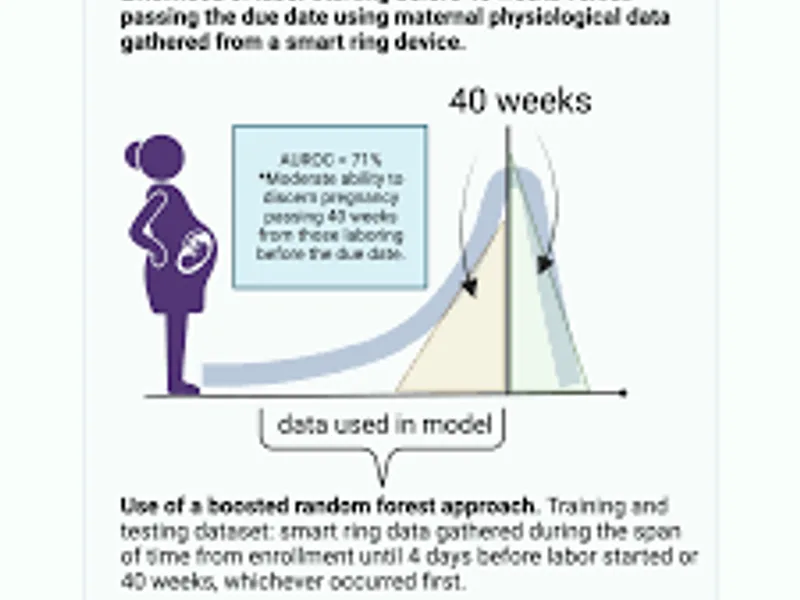
Going past your due date can feel like being stuck in a waiting room with no clock. This guide walks you through what actually happens during monitoring after due date pregnancy — the tests, the decisions, and the emotions nobody really prepares you for.
May 20, 2026
Going past your due date can feel like being stuck in a waiting room with no clock. This guide walks you through what actually happens during monitoring after due date pregnancy — the tests, the decisions, and the emotions nobody really prepares you for.
May 20, 2026
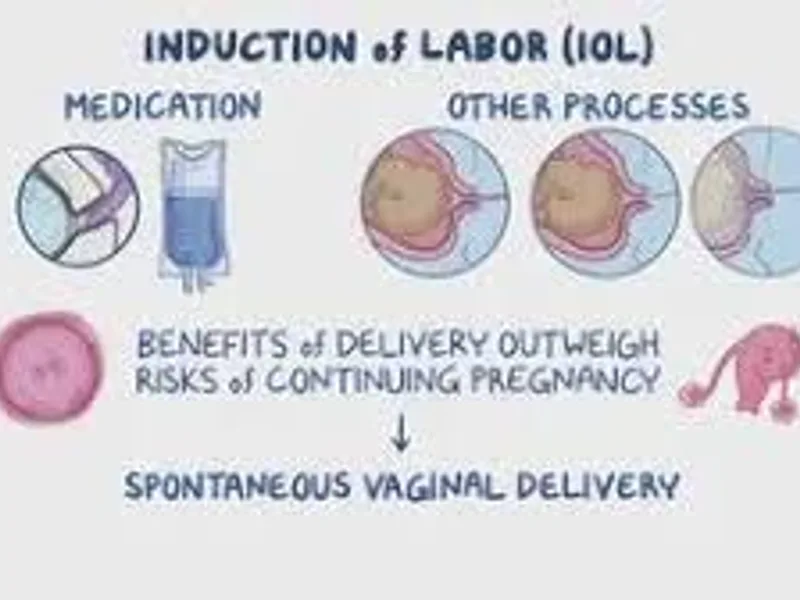
If you’re close to your due date and feeling stuck in waiting mode, this breaks down induction of labor methods in a way that actually makes sense. No jargon, no fluff—just what works, what doesn’t, and what it really feels like from a human perspective.
May 20, 2026