

Emergency & Help
24/7 Emergency & General Advisory
🚨 24/7 Medical Emergency
Non-Emergency Advisory
10:00 AM – 6:00 PM, Mon–Sat
For appointments & general queries.
24/7 Emergency & General Advisory
🚨 24/7 Medical Emergency
Non-Emergency Advisory
10:00 AM – 6:00 PM, Mon–Sat
For appointments & general queries.
Learn about epidural anesthesia for labor pain relief in India. Understand how it works, what to expect during the procedure, how long it lasts, and potential side effects. Make informed decisions for a comfortable childbirth experience.

Giving birth is a monumental experience, and for many expectant mothers in India, managing labor pain effectively is a top priority. While the thought of childbirth often conjures images of intense discomfort, modern medicine offers several safe and effective pain relief options. Among the most popular and widely used is the epidural. Many parents, after experiencing it, swear they don't remember the pain of labor and birth the minute they lay eyes on their new bundle of joy. This isn't surprising, as a significant percentage of pregnant patients opt for an epidural to ease their birthing journey.
In India, as in many parts of the world, epidurals are becoming increasingly common. They offer a way to manage the intense sensations of labor, allowing mothers to remain more comfortable and present during this transformative time. Understanding how an epidural works, what to expect, and how long its effects last can empower you to make informed decisions about your pain management plan.
It's important to understand that an epidural isn't a drug itself, but rather a method of delivering pain-blocking medications precisely where they are needed – in the epidural space of your spine. This procedure, also known as an epidural block or sometimes a spinal epidural, allows for targeted pain relief. It works by administering medications that either lessen pain (analgesics) or completely numb a specific area (anesthetics) by blocking nerve signals. This means you can experience significant pain relief from the waist down, while still retaining enough muscle function to push your baby out effectively and safely.
The timing of an epidural is a key consideration. Generally, you can receive an epidural once you and your doctor confirm that you are in active labor and the baby is progressing. Many women choose to have it administered when labor becomes more intense, while others prefer to wait a bit longer. However, there are a couple of situations where an epidural might not be recommended or feasible. If you are in the very final stages of labor, when you are fully dilated and the baby is about to be born, an epidural might interfere with your ability to push effectively. Additionally, in cases of emergency C-sections where time is critical, a general anesthetic might be necessary instead of an epidural.
Receiving an epidural is a straightforward procedure, and you will typically be awake throughout. Here’s a step-by-step look at what happens:
The entire process typically takes about 20 to 30 minutes to reach its full effect. During this time, you might feel some pressure, but it should not be painful.
One of the significant advantages of an epidural is its duration. An epidural can provide pain relief for several hours, often lasting throughout your labor and even into the immediate postpartum period. This sustained relief is beneficial for several reasons:
When the epidural is stopped or begins to wear off, you might experience a gradual return of sensation. This can include tingling in your legs, a feeling of weakness or wobbliness, or the return of discomfort. It's common to feel numb or even a bit woozy for a few hours after the medication is discontinued. Your medical team will monitor you closely during this time, and you may need to remain seated or lying down until the sensation returns fully.
While epidurals are generally safe, like any medical procedure, they can have potential side effects. It's essential to discuss these with your doctor. Common side effects can include:
Your anesthesiologist and nursing team will take precautions to minimize these risks and will monitor you closely for any adverse reactions.
Priya, a 28-year-old expectant mother in Mumbai, was scheduled for a planned C-section due to her baby's breech presentation. She was anxious about the surgery but wanted to be awake to see her baby for the first time. Her doctor recommended an epidural. During the procedure, Priya felt a brief pinch as the area was numbed, but the epidural itself was pain-free. She remained awake, heard her baby cry, and was able to hold her newborn moments after the surgery, feeling immense relief that she had opted for the epidural.
It’s vital to have an open discussion with your obstetrician or anesthesiologist about your pain management options, including epidurals. They can answer all your questions and help you decide if an epidural is the right choice for your birth plan. Don't hesitate to voice any concerns you have about the procedure, potential side effects, or how long the effects might last. Early discussions are key to a positive birthing experience.
Visit Hospital
Near You

Going past your due date can feel like being stuck in a waiting room with no clock. This guide walks you through what actually happens during monitoring after due date pregnancy — the tests, the decisions, and the emotions nobody really prepares you for.
May 20, 2026
Going past your due date can feel like being stuck in a waiting room with no clock. This guide walks you through what actually happens during monitoring after due date pregnancy — the tests, the decisions, and the emotions nobody really prepares you for.
May 20, 2026
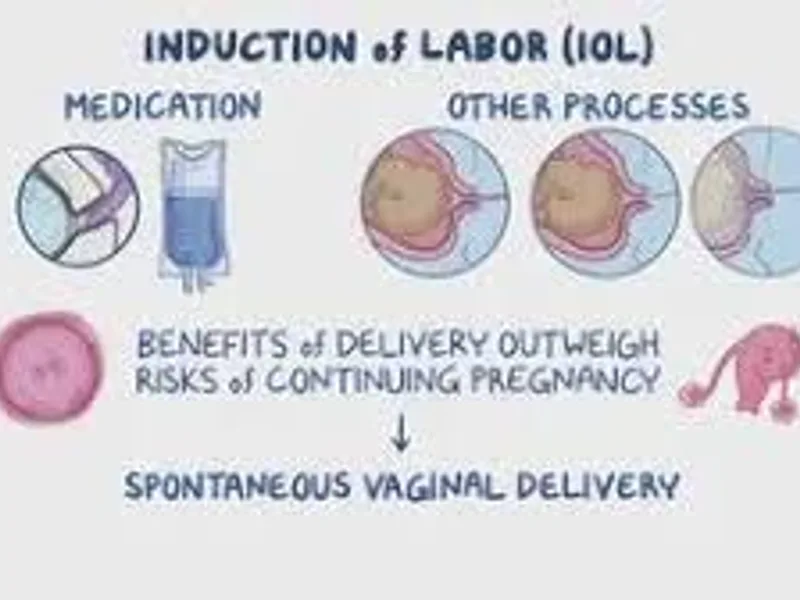
If you’re close to your due date and feeling stuck in waiting mode, this breaks down induction of labor methods in a way that actually makes sense. No jargon, no fluff—just what works, what doesn’t, and what it really feels like from a human perspective.
May 20, 2026