

Emergency & Help
24/7 Emergency & General Advisory
🚨 24/7 Medical Emergency
Non-Emergency Advisory
10:00 AM – 6:00 PM, Mon–Sat
For appointments & general queries.
24/7 Emergency & General Advisory
🚨 24/7 Medical Emergency
Non-Emergency Advisory
10:00 AM – 6:00 PM, Mon–Sat
For appointments & general queries.
Learn about epidurals for labor pain relief: how they work, how long they last, what to expect during the procedure, benefits, and potential side effects.

Bringing a new life into the world is a profound experience, and for many mothers-to-be, managing labor pain is a top priority. If you’re exploring options for pain relief, you’ve likely heard about epidurals. They are incredibly popular, with almost 71 percent of pregnant individuals opting for them. But what exactly is an epidural, how long does it last, and what can you expect during the process? Let’s explore this common and effective method of pain management during childbirth. Understanding Epidurals: More Than Just a Painkiller It’s helpful to understand that an epidural isn’t just a single injection of medication; it’s a procedure that delivers pain-blocking medication precisely where it’s needed – in the epidural space surrounding your spinal cord in your lower back. This procedure is also known by other names like epidural block or spinal epidural. The goal is to numb the nerves that transmit pain signals from your uterus and birth canal to your brain, offering significant relief without making you completely lose consciousness. This allows you to remain awake and alert to experience the birth of your baby while minimizing discomfort. How Epidurals Work: Analgesics vs. Anesthetics The magic of an epidural lies in the types of medications used. Typically, two main categories of drugs are administered: Analgesics: These medications work to reduce pain sensation without causing a complete loss of feeling or motor function. You might still feel pressure, which can be helpful during pushing. Anesthetics: These drugs block pain by numbing a specific area of your body, significantly reducing or eliminating sensation. By carefully balancing these medications, your anesthesiologist or OB-GYN can tailor the epidural to your specific needs, ensuring effective pain relief while allowing you to participate actively in the birth process. A common scenario is feeling the urge to push but not the sharp pain associated with contractions. When Can You Get an Epidural? The timing of an epidural is a key consideration. Generally, you can receive an epidural once your labor is confirmed to be progressing and you and your doctor decide it's the right time. Many women choose to receive it once they are in active labor, while others might wait a little longer. There are, however, a few situations where an epidural might not be recommended: Late Stage of Labor: If you are very close to delivery, perhaps fully dilated and ready to push, an epidural might slow down the pushing stage. Emergency C-Section: In urgent situations requiring a cesarean delivery, there might not be enough time to administer and for the epidural to take effect. In such cases, general anesthesia might be necessary. Certain Medical Conditions: If you have specific health issues, such as certain bleeding disorders or severe spinal abnormalities, your doctor will assess the risks and benefits before proceeding. Always discuss your preferences and medical history with your healthcare provider to determine the best timing for you. What to Expect During the Epidural Procedure The process of receiving an epidural is usually straightforward and performed by an anesthesiologist or a trained OB-GYN. Here’s a general idea of what happens: Positioning: You’ll be asked to either sit up on the edge of the bed, leaning forward, or lie on your side with your knees curled towards your chest. This position helps to open up the spaces between your vertebrae. Cleaning the Area: The lower part of your back, where the injection will be given, will be thoroughly cleaned with an antiseptic solution. Local Anesthesia: A small needle will be used to numb the skin and underlying tissues in the epidural site. You’ll feel a brief sting from this injection. Epidural Catheter Insertion: A thin, flexible tube called a catheter is then carefully inserted into the epidural space. This is done using a slightly larger needle called a तुमचा (tuna) needle, which is removed once the catheter is in place. The catheter remains in your back and is taped securely. Medication Delivery: Pain medication is then administered through the catheter. You might receive a single dose to start, or a continuous infusion to maintain pain relief. Throughout the procedure, your healthcare team will monitor your vital signs and your baby’s heart rate. It’s important to remain as still as possible during the catheter insertion. How Long Does an Epidural Last? This is a question many expectant mothers have! The duration and effectiveness of an epidural can vary, but generally, they are designed to last for several hours. Here’s what you can typically expect: Onset of Effect: It usually takes about 20 to 30 minutes for an epidural to reach its full effect. During this time, you’ll start to feel numbness and pain relief in your lower body. Duration During Labor: An epidural can provide continuous pain relief throughout labor. The medication is often delivered through the catheter via a pump, allowing for adjustments as needed. This continuous relief is invaluable, especially during long labors, helping you conserve energy and rest between contractions. After Delivery: Even after the baby is born, the epidural can continue to provide comfort. If you require an episiotomy or stitches, the numbing effect ensures these procedures are painless. For those undergoing a C-section, an epidural allows you to stay awake and meet your baby immediately. Wearing Off: Once the epidural is stopped or the medication runs out, it will gradually wear off. This process can take a few hours. You might start to feel tingling sensations in your legs, or a return of discomfort. Your legs might feel wobbly or weak as the feeling returns. It’s important to communicate with your nurse or doctor about how you are feeling. A common experience is feeling a sense of relief and being able to relax and even nap during a long labor, only to notice the tingling and weakness in the legs as the effects start to subside after birth. Benefits of an Epidural The popularity of epidurals stems from their significant benefits during childbirth: Effective Pain Relief: They provide substantial relief from labor pain, making the experience more manageable. Allows Rest: Especially in prolonged labor, an epidural can allow the birthing parent to rest and conserve energy. Keeps You Awake: Unlike general anesthesia, an epidural allows you to remain conscious to experience the birth of your baby. Comfort During Procedures: It numbs the area for any necessary interventions like episiotomies or stitches. Facilitates C-Sections: For planned or necessary C-sections, it allows the mother to be awake for the delivery. Potential Side Effects and Risks While epidurals are generally safe, like any medical procedure, they carry potential side effects and risks. It's important to be informed: Low Blood Pressure (Hypotension): This is the most common side effect. Your healthcare team will monitor your blood pressure closely and treat it if it drops. Itching: Some medications used in epidurals can cause itching. Temporary Leg Weakness or Numbness: As the epidural wears off, you might experience temporary weakness or difficulty moving your legs. Headache: In rare cases, a spinal headache can occur if spinal fluid leaks from where the needle was inserted. This is usually treatable. Infection or Bleeding: Though rare, there's a small risk of infection or bleeding at the insertion site. Fever: Some women experience a temporary rise in body temperature. Your doctor will discuss these risks with you in detail before you consent to the procedure. When to Consult Your Doctor It’s essential to maintain open communication with your healthcare provider throughout your pregnancy and labor. Consult your doctor if you: Are considering an epidural and want to discuss your options. Have any pre-existing medical conditions that might affect your suitability for an epidural. Experience any unusual symptoms or concerns during or after the epidural is administered. Feel that the pain relief is not adequate or if you experience unexpected discomfort. Your doctor is your best resource for personalized advice and care. Frequently Asked Questions About Epidurals Can an epidural affect my baby? When administered correctly and monitored closely, epidurals are generally considered safe for the baby. The medication primarily affects the mother’s pain pathways. While a small amount of medication can cross the placenta, it’s usually in amounts that don’t cause significant harm to the baby. Your baby’s heart rate will be monitored throughout the process. Will an epidural make me unable to push? Epidurals can reduce the sensation of pressure, which might make it harder for some women to feel when and how strongly to push. However, with guidance from your healthcare team and the anesthesiologist’s ability to adjust the medication, most women can still push effectively. In some cases, the sensation of pushing might be lessened, but effective pushing is still achievable. Can I move my legs with an epidural? The level of numbness varies. Many epidurals allow for some leg movement and sensation, while others may cause more significant numbness. Your anesthesiologist will aim for a balance that provides pain relief while allowing you to participate in labor as much as possible. If you have significant leg weakness or numbness after
In summary, timely diagnosis, evidence-based treatment, and prevention-focused care improve long-term health outcomes.
Visit Hospital
Near You

Going past your due date can feel like being stuck in a waiting room with no clock. This guide walks you through what actually happens during monitoring after due date pregnancy — the tests, the decisions, and the emotions nobody really prepares you for.
May 20, 2026
Going past your due date can feel like being stuck in a waiting room with no clock. This guide walks you through what actually happens during monitoring after due date pregnancy — the tests, the decisions, and the emotions nobody really prepares you for.
May 20, 2026
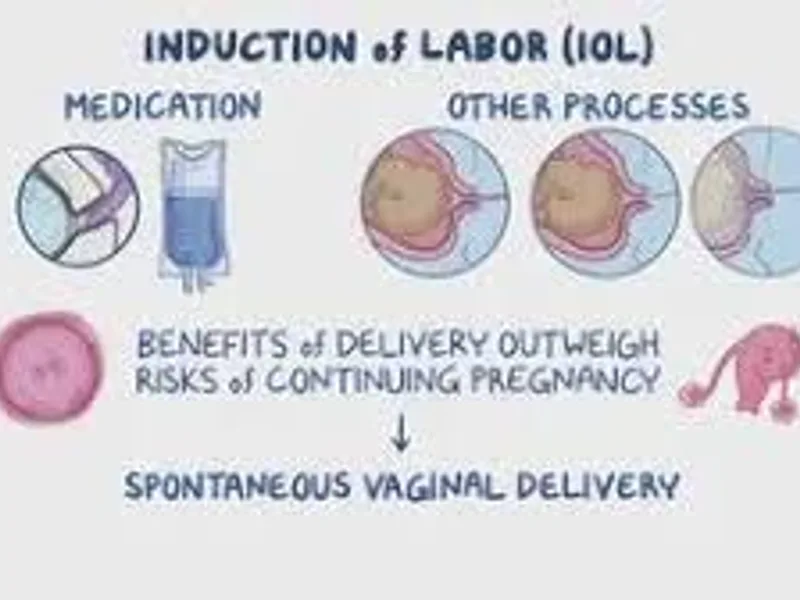
If you’re close to your due date and feeling stuck in waiting mode, this breaks down induction of labor methods in a way that actually makes sense. No jargon, no fluff—just what works, what doesn’t, and what it really feels like from a human perspective.
May 20, 2026