

Emergency & Help
24/7 Emergency & General Advisory
🚨 24/7 Medical Emergency
Non-Emergency Advisory
10:00 AM – 6:00 PM, Mon–Sat
For appointments & general queries.
24/7 Emergency & General Advisory
🚨 24/7 Medical Emergency
Non-Emergency Advisory
10:00 AM – 6:00 PM, Mon–Sat
For appointments & general queries.
Discover how essential oils like lavender, clary sage, and citrus blossom can help ease anxiety, manage pain, and promote calm during labor, while emphasizing safe usage practices.
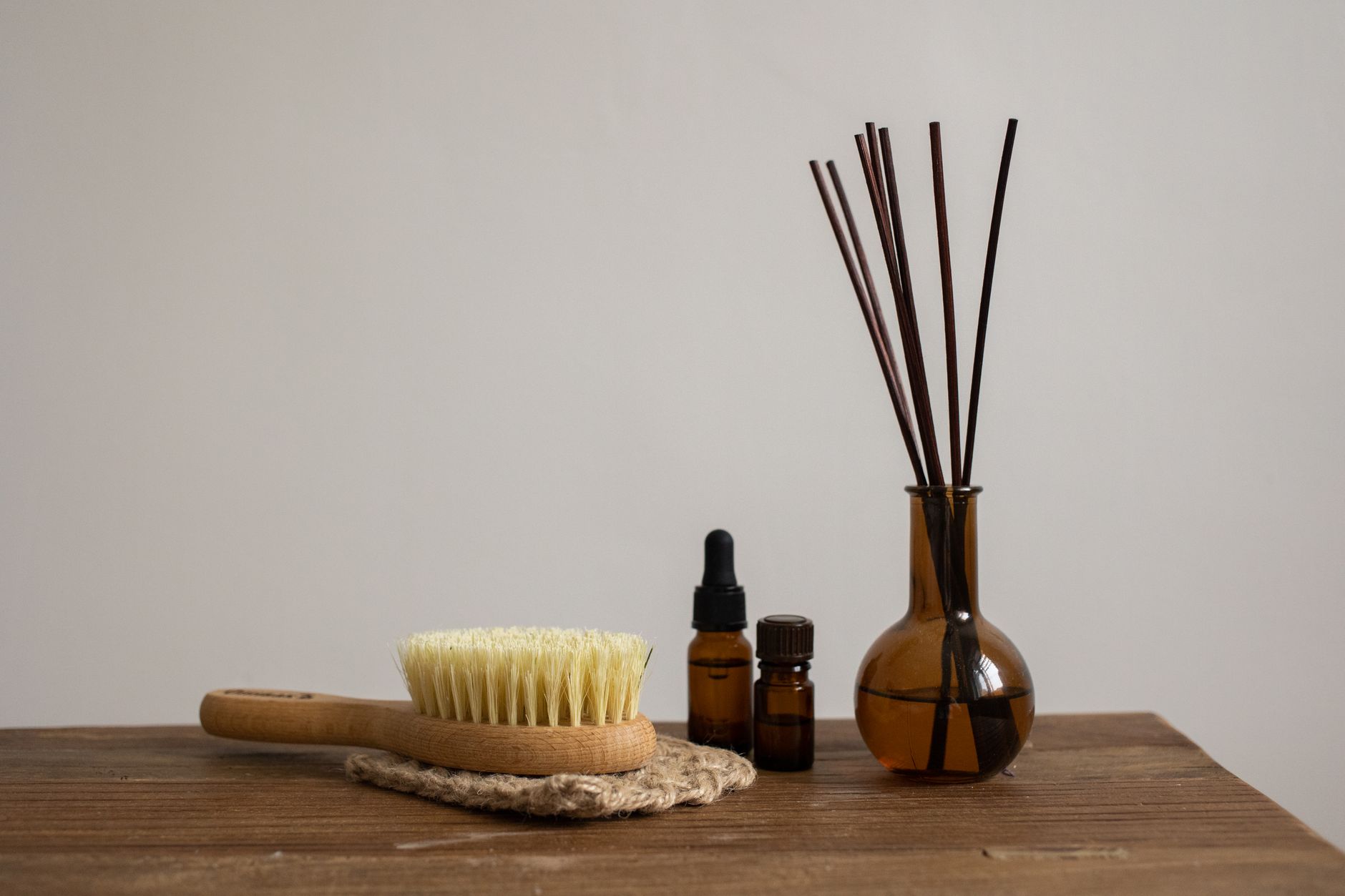
The journey of bringing a new life into the world is profound and often accompanied by a mix of excitement and anxiety. It's completely natural to feel worried as your due date approaches. In fact, research indicates that a significant majority of individuals nearing or in labor experience considerable anxiety. This is a big moment, and feeling a little overwhelmed is understandable.
You might have heard whispers about essential oils being able to kickstart labor. Let's clear the air right away: essential oils cannot induce labor or cause your water to break. While they can't directly start contractions, they offer a different kind of support that can be incredibly beneficial during the birthing process. Think of them not as a magical trigger, but as a gentle companion to help you navigate the physical and emotional landscape of labor.
The power of essential oils lies in aromatherapy – the practice of using scents to promote well-being. When you inhale the aroma of certain essential oils, their molecules can interact with your brain and body, potentially leading to:
It's important to remember that essential oils are potent plant extracts. They should be used with respect and proper knowledge. They are not a replacement for necessary medical care or pain relief options like epidurals, but they can be a valuable complementary therapy.
Your safety and the safety of your baby are paramount. When using essential oils during labor, follow these guidelines:
While many oils exist, a few have gained recognition for their potential benefits during labor:
Also known as neroli oil, this fragrant oil is derived from the blossoms of the orange tree. Research has shown that women who inhaled citrus blossom oil during labor reported lower levels of anxiety compared to those who did not. Its bright, uplifting scent can help to ease tension and promote a sense of calm.
Clary sage is perhaps one of the most traditionally used essential oils during labor. Its herbaceous aroma is known for its calming and potentially pain-relieving properties. Some find it helps to ease stress and discomfort. It's generally considered safe for use during labor when diffused.
Lavender is a well-loved essential oil for its universally calming and relaxing effects. Its soothing scent can help reduce anxiety, promote sleep, and create a peaceful atmosphere. Many find diffusing lavender oil in their birthing space incredibly comforting.
If nausea is a concern, peppermint oil can be a lifesaver. Its strong, refreshing aroma can help combat feelings of sickness. A few drops in a diffuser or a tissue to inhale can provide quick relief. However, use sparingly, as its strong scent can be overwhelming for some.
Frankincense has a grounding and centering aroma, often used to promote a sense of peace and spiritual connection. It can be helpful in calming the mind and encouraging deep, steady breathing during contractions.
Priya was nearing her due date and feeling a knot of anxiety tighten with each passing day. She had heard about essential oils helping with labor and decided to try diffusing lavender and clary sage in her room during her contractions. She found the gentle aroma helped her focus on her breathing and made the intensity of each wave feel more manageable, allowing her partner to focus on supporting her without added stress.
While essential oils can offer comfort, they are a complementary therapy. Always maintain open communication with your healthcare provider. You should consult your doctor or midwife if:
Yes, you can still benefit from the calming effects of essential oils through inhalation even if you are having a C-section. Discuss with your medical team about using a diffuser in your room before and after the procedure.
When used correctly through inhalation and properly diluted for topical use on the mother, essential oils are generally considered safe. Avoid direct contact or application on the baby. Always ensure the baby is not directly exposed to a strong concentration of the scent.
Typically, 3-5 drops of essential oil per 100ml of water in an electric diffuser is sufficient. Start with a lower concentration and increase if needed, ensuring the room is well-ventilated.
Visit Hospital
Near You

Going past your due date can feel like being stuck in a waiting room with no clock. This guide walks you through what actually happens during monitoring after due date pregnancy — the tests, the decisions, and the emotions nobody really prepares you for.
May 20, 2026
Going past your due date can feel like being stuck in a waiting room with no clock. This guide walks you through what actually happens during monitoring after due date pregnancy — the tests, the decisions, and the emotions nobody really prepares you for.
May 20, 2026

If you’re close to your due date and feeling stuck in waiting mode, this breaks down induction of labor methods in a way that actually makes sense. No jargon, no fluff—just what works, what doesn’t, and what it really feels like from a human perspective.
May 20, 2026