

Emergency & Help
24/7 Emergency & General Advisory
🚨 24/7 Medical Emergency
Non-Emergency Advisory
10:00 AM – 6:00 PM, Mon–Sat
For appointments & general queries.
24/7 Emergency & General Advisory
🚨 24/7 Medical Emergency
Non-Emergency Advisory
10:00 AM – 6:00 PM, Mon–Sat
For appointments & general queries.
Discover common causes of eye twitching during pregnancy, including stress, fatigue, and nutritional factors. Learn practical relief strategies and know when to consult a doctor.

Pregnancy is a time of incredible transformation, bringing with it a whirlwind of emotions, physical changes, and sometimes, unexpected symptoms. While you might be prepared for the common discomforts like morning sickness, swollen feet, and fatigue, an annoying eye twitch can add another layer of concern. If you've found yourself dealing with a fluttering or spasming eyelid during your pregnancy journey, rest assured that you are not alone. This phenomenon, though often harmless, can be quite bothersome. Let's explore why it happens, what you can do to find relief, and when it's time to consult your doctor.
That involuntary, repetitive fluttering or spasming of your eyelid is medically known as eyelid myokymia. It typically affects the lower eyelid but can also occur in the upper eyelid, sometimes causing the lid to close momentarily. While it can happen at any time, certain factors, especially those amplified during pregnancy, can make it more frequent.
While the exact mechanisms are still being studied, several factors are known to trigger eye twitches. During pregnancy, these triggers can become more pronounced:
Pregnancy is a period of significant physical and emotional adjustment. The anticipation of a new life, coupled with hormonal shifts and the general anxieties that can accompany this time, can lead to increased stress levels. Stress is a well-known catalyst for muscle twitches, including those in the eyelids. Your body is working hard to nurture a growing baby, and this can manifest in various ways, with eye twitching being one of them.
With a baby on the way, quality sleep can become a luxury. Disrupted sleep patterns, frequent trips to the bathroom, and general discomfort can lead to significant fatigue. When you're overtired, your body is more susceptible to various symptoms, including eye twitches. Your nervous system might be a bit more on edge, making those delicate eyelid muscles more prone to spasms.
A balanced intake of vitamins and minerals is essential during pregnancy, not just for the baby's development but also for your overall well-being. Deficiencies in certain nutrients can contribute to eye twitching. Specifically, imbalances in magnesium and potassium can play a role. Magnesium is vital for over 300 enzyme systems in your body, including those that regulate muscle contractions. Potassium is equally important for proper nerve impulse transmission. Prenatal vitamins are designed to help bridge nutritional gaps, but sometimes dietary intake needs a boost.
In our digital age, prolonged screen time is almost unavoidable. Whether you're working on a computer, scrolling through social media, or reading on a tablet, you tend to blink less often. This reduced blinking means your eyes don't get the lubrication they need, leading to dryness and irritation. Hormonal changes during pregnancy can exacerbate dry eye symptoms, making your eyes more vulnerable to twitches. The glare from screens can also be more bothersome when you're pregnant.
While moderate caffeine consumption is generally considered safe during pregnancy, excessive intake can act as a stimulant. For some individuals, too much caffeine can lead to increased muscle excitability, potentially triggering eyelid spasms. It's wise to monitor your caffeine intake and consider reducing it if you notice an increase in eye twitches.
Fortunately, most pregnancy-related eye twitches are temporary and can be managed with simple self-care measures. Here are some practical steps you can take:
This might sound easier said than done, but making rest a priority is paramount. Listen to your body's signals. If you feel tired, lie down for a nap. If stress is a factor, find small moments for relaxation. This could be as simple as listening to calming music, practicing deep breathing exercises, or spending a few minutes meditating. Even short breaks can make a difference.
Ensure you're getting enough magnesium and potassium through your diet. Include magnesium-rich foods like avocados, nuts (almonds, cashews), seeds (pumpkin, chia), whole grains, and dark chocolate (in moderation, of course!). For potassium, incorporate bananas, sweet potatoes, spinach, beans, and yogurt into your meals. Continue taking your prenatal vitamins as prescribed by your doctor.
If you spend a lot of time in front of screens, implement the 20/20/20 rule: Every 20 minutes, look at something 20 feet away for at least 20 seconds. This simple exercise helps your eyes refocus and reduces strain. Consider reducing your screen time where possible. An anti-glare screen for your computer or anti-glare glasses can also help minimize discomfort. Ensure your workspace is well-lit to further reduce eye fatigue.
Artificial tears (preservative-free options are best) can provide immediate relief for dry eyes. For a natural approach, try placing chilled cucumber slices over your closed eyelids for 10-15 minutes. Cucumbers have hydrating and anti-inflammatory properties that can soothe tired eyes. This also provides a wonderful excuse to lie down and relax!
Review your daily intake of coffee, tea, and other caffeinated beverages. If you consume more than 200 mg per day (about one 12-ounce cup of coffee), consider cutting back. Opt for decaffeinated versions or herbal teas that are safe for pregnancy.
Sometimes, a gentle massage can help relax the spasming muscle. With clean hands, lightly tap or gently massage the affected eyelid area.
While eye twitching during pregnancy is usually benign, there are instances when you should seek medical advice. It's important to contact your doctor or an eye specialist if:
In rare cases, persistent and severe eye twitching, especially if accompanied by other facial spasms, could be a sign of a neurological condition like blepharospasm. This condition affects women more often than men and requires medical evaluation and management.
Priya, 30 weeks pregnant, started noticing her left eyelid twitching uncontrollably, especially in the evenings. She was already stressed about work deadlines and not getting enough sleep due to discomfort. She worried if this was a sign of something serious for her baby. After reading about common pregnancy symptoms, she decided to try resting more, cutting back on her evening tea, and ensuring she ate plenty of bananas and almonds. Within a few days, the annoying twitching began to subside, giving her much-needed relief.
Yes, eye twitching, also known as eyelid myokymia, is quite common during pregnancy. It's usually a harmless side effect of the various changes your body is undergoing.
No, in almost all cases, eye twitching during pregnancy does not pose any risk to your developing baby. It is a maternal symptom.
The duration varies from person to person. For many, it's a temporary nuisance that resolves on its own once the underlying triggers are addressed or after delivery when stress and fatigue levels decrease.
While there aren't specific 'exercises' for the twitch itself, practices like the 20/20/20 rule help reduce eye strain, which can indirectly help. Gentle eyelid massage can also provide relief.
Dealing with an eye twitch during pregnancy can be an annoyance, but understanding its causes and implementing simple relief strategies can help you manage it effectively. Remember to listen to your body, prioritize self-care, and don't hesitate to reach out to your healthcare provider if you have any concerns.
Visit Hospital
Near You
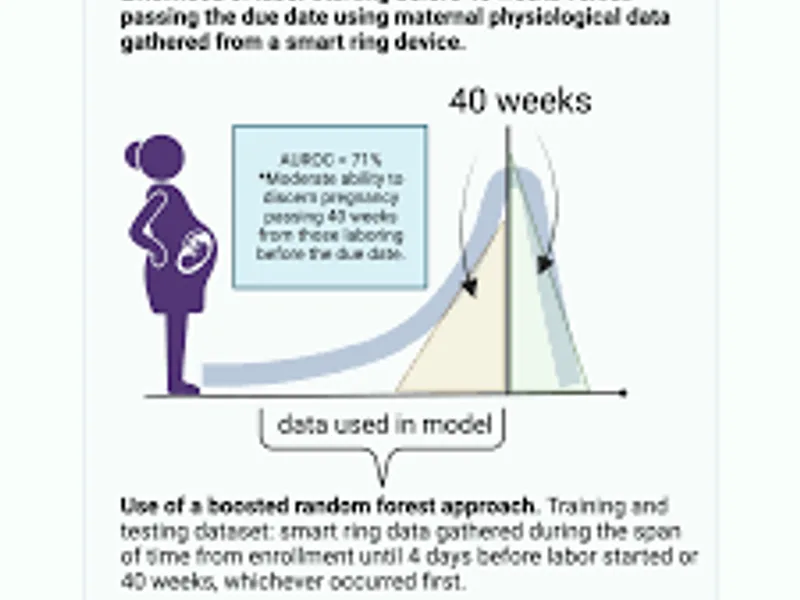
Going past your due date can feel like being stuck in a waiting room with no clock. This guide walks you through what actually happens during monitoring after due date pregnancy — the tests, the decisions, and the emotions nobody really prepares you for.
May 20, 2026
Going past your due date can feel like being stuck in a waiting room with no clock. This guide walks you through what actually happens during monitoring after due date pregnancy — the tests, the decisions, and the emotions nobody really prepares you for.
May 20, 2026
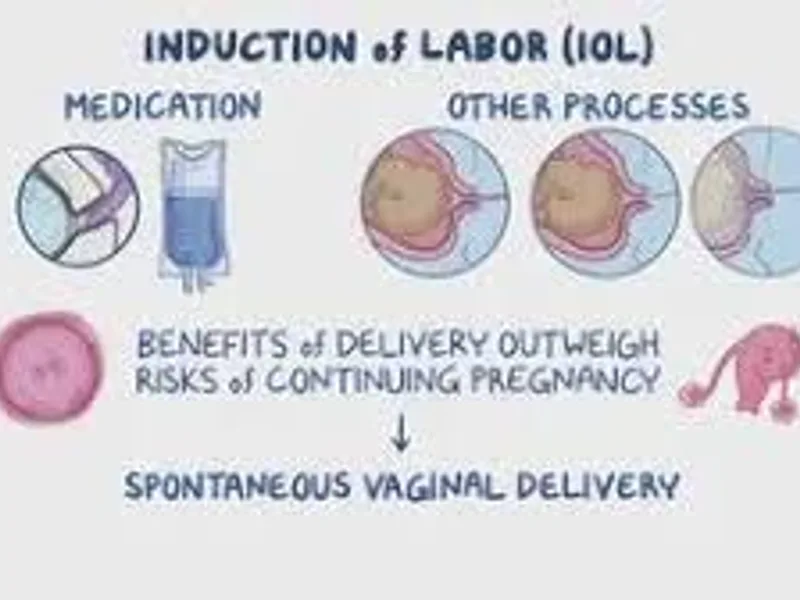
If you’re close to your due date and feeling stuck in waiting mode, this breaks down induction of labor methods in a way that actually makes sense. No jargon, no fluff—just what works, what doesn’t, and what it really feels like from a human perspective.
May 20, 2026