

Emergency & Help
24/7 Emergency & General Advisory
🚨 24/7 Medical Emergency
Non-Emergency Advisory
10:00 AM – 6:00 PM, Mon–Sat
For appointments & general queries.
24/7 Emergency & General Advisory
🚨 24/7 Medical Emergency
Non-Emergency Advisory
10:00 AM – 6:00 PM, Mon–Sat
For appointments & general queries.
Seeking the best obstetrician in Munger? Our guide offers expert advice on choosing a specialist for your pregnancy journey.
Selecting the right specialist in maternal care is a vital step for expectant mothers. This decision ensures you receive optimal support throughout your gestation, labour, and delivery.
In the Munger area, many skilled practitioners are available, but finding the perfect fit requires careful consideration. Consider it this way: your chosen healthcare provider is your primary partner in navigating one of life's most significant journeys.
A specialist in obstetrics is a physician focusing on gestation, childbirth, and the postpartum period (the time immediately following birth). These professionals manage all aspects of maternal and fetal well-being.
This involves routine check-ups, prenatal screenings, and managing any complications that may arise. They are trained to assist with vaginal births and perform necessary surgical interventions, such as Caesarean sections (C-sections).
Start by asking for recommendations from friends, family, or your general practitioner. Online platforms and healthcare directories can also provide lists of experts in the Munger region.
Many leading hospitals in the area have their own panel of experienced childbirth specialists. Consider scheduling initial consultations with a few potential practitioners to gauge compatibility.
Each journey to parenthood is unique. Some women may have pre-existing conditions, like diabetes or hypertension (high blood pressure), that require specialized attention. Others might have a history of complicated gestations. Identifying your specific requirements helps narrow down the search for a suitable care provider.
It sounds simple. It rarely is.
Regular prenatal visits are crucial. These appointments allow your chosen care provider to monitor your well-being and your baby's development closely. They track vital signs, order necessary tests, and provide guidance on nutrition and lifestyle. Adhering to the WHO guidelines for antenatal care is standard practice.
Discuss your preferences for labour and delivery early on. Your specialist can explain the benefits and risks of different approaches, including vaginal birth and C-sections. Understanding these options empowers you to make informed decisions.
Care doesn't conclude after delivery. Postpartum check-ups are essential for monitoring your recovery and addressing any physical or emotional changes. Many women experience the 'baby blues' or postpartum depression; your physician can provide support and resources.
Certain signs warrant immediate clinical attention. These include severe abdominal pain, vaginal bleeding, or a notable decrease in fetal movement. Such indicators can sometimes signal serious complications that require prompt intervention by a specialist in maternal care.
That alone changes everything.
This means being proactive about your well-being is paramount. Do not hesitate to voice concerns or ask clarifying questions during appointments. Trust your instincts; if something feels amiss, seek professional advice immediately. A little vigilance goes a long way in ensuring a safe and healthy gestational period.
Choosing a specialist for childbirth in the Munger region is a personal decision. Prioritize finding a practitioner who offers not just clinical expertise but also empathy and clear communication. A supportive care provider can significantly enhance your experience, making it a more positive and less anxious time.
High-danger gestations may present with indicators like advanced maternal age (over 35), pre-existing health challenges (e.g., diabetes, hypertension), a history of previous complicated deliveries, or multiple fetuses. Your chosen maternal care provider will monitor you closely for any such signs.
Typically, you will see your maternal care provider monthly during the first and second trimesters. In the third trimester, appointments become more frequent, often every two weeks, and then weekly as your due date approaches, following standard protocols like those recommended by the Indian Council of Clinical Research (ICMR).
That alone changes everything.
While some childbirth specialists also focus on reproductive endocrinology and infertility, their primary role is managing the gestational period. If you are experiencing challenges with conception, you might need to consult a separate fertility specialist or a gynecologist with a focus on reproductive well-being.
Bring your medical background, a list of current medications, any previous gynecological documentation, and questions you have prepared. This initial visit helps the professional understand your history to provide personalized care.
Always consult a qualified practitioner before making clinical decisions.
Visit Hospital
Near You

Going past your due date can feel like being stuck in a waiting room with no clock. This guide walks you through what actually happens during monitoring after due date pregnancy — the tests, the decisions, and the emotions nobody really prepares you for.
May 20, 2026
Going past your due date can feel like being stuck in a waiting room with no clock. This guide walks you through what actually happens during monitoring after due date pregnancy — the tests, the decisions, and the emotions nobody really prepares you for.
May 20, 2026
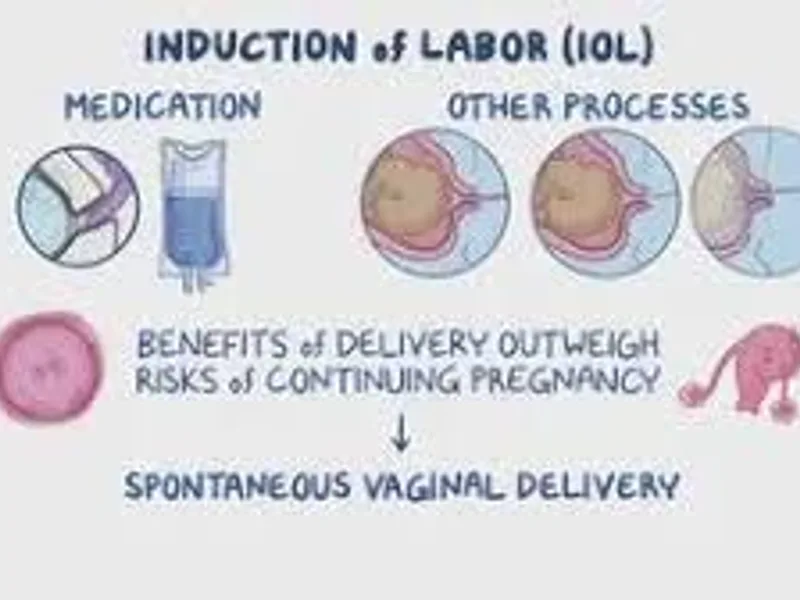
If you’re close to your due date and feeling stuck in waiting mode, this breaks down induction of labor methods in a way that actually makes sense. No jargon, no fluff—just what works, what doesn’t, and what it really feels like from a human perspective.
May 20, 2026