

Emergency & Help
24/7 Emergency & General Advisory
🚨 24/7 Medical Emergency
Non-Emergency Advisory
10:00 AM – 6:00 PM, Mon–Sat
For appointments & general queries.
24/7 Emergency & General Advisory
🚨 24/7 Medical Emergency
Non-Emergency Advisory
10:00 AM – 6:00 PM, Mon–Sat
For appointments & general queries.
Learn how to measure your nipple and choose the right breast pump flange size for comfortable and effective milk expression. Essential tips for new mothers.

As a new mother, especially in India, you're navigating a beautiful journey of nurturing your baby. Breastfeeding is a cornerstone of this, and for many, expressing milk using a breast pump becomes a necessary or convenient tool. But have you ever thought about the part of the pump that actually touches your skin – the flange? It might seem small, but getting the right breast pump flange size is incredibly important for comfortable, efficient milk expression and maintaining your breast health. Let's break down why this seemingly simple piece of equipment matters so much and how you can find your perfect fit.
Think of the flange as the funnel-shaped part of your breast pump that directly contacts your breast. Its job is twofold: to create a seal around your areola and to guide your nipple into the pump's tunnel. This seal is what allows the pump to create suction, mimicking a baby's latch, and drawing out the milk. The size of the flange refers to the diameter of the narrow tunnel at the end that fits around your nipple. If this part is too small or too large, it can cause a host of problems.
Using a flange that doesn't fit correctly can lead to more than just discomfort. It can significantly affect your milk supply and even cause injury. Here’s why finding the right size is so critical:
Finding the correct size might take a little effort, but it's well worth it. Here’s a step-by-step approach:
Many breast pump manufacturers provide specific sizing guides. These are often available on their websites or within the product manual. This is the best place to start, as flanges are designed to work optimally with their specific pumps.
If a manufacturer's guide isn't readily available, you can measure your nipple yourself. You'll need a ruler or a soft measuring tape that shows millimeters.
Scenario Example: Priya is back at work and trying to pump for her 6-month-old. She's been experiencing sore nipples and feels like she's not getting much milk. She measures the base of her nipple and finds it's about 20mm. Her pump came with a 24mm flange, which now seems too big.
Once you have your nipple measurement, you can start looking for flanges. As a general rule of thumb:
While you measure your nipple, also take note of your areola size. Some flanges are designed to accommodate different areola sizes, and this can play a role in comfort and suction efficiency.
Measurement is a starting point, but the real test is how the flange feels and performs when you pump. Here’s what to look for:
It’s very common to need a different flange size than what comes with your pump. Don't hesitate to:
While finding the right flange size is often a process of trial and error, don't hesitate to reach out for help. If you experience persistent pain, nipple damage, or concerns about your milk supply, consult:
Remember, your breastfeeding and pumping journey is unique. Taking the time to ensure your breast pump flange fits correctly is a simple yet powerful step towards making your experience more comfortable, effective, and healthy for both you and your baby. Happy pumping!
A: Yes, absolutely. Your breast size and nipple size can fluctuate due to hormonal changes, engorgement, and even the progression of your milk supply. It's a good idea to re-evaluate your flange fit periodically, especially if you notice discomfort or reduced milk output.
A: Start by carefully measuring your nipple base. If possible, try to borrow or rent different flange sizes if your pump allows, or purchase one or two sizes close to your measurement. Many online retailers have generous return policies on unused items, but always check first.
A: Yes, besides standard plastic flanges, you can find silicone flanges, which are often softer and more flexible. There are also different shapes and lengths. However, the most critical factor for comfort and efficiency remains the correct diameter for your nipple.
Visit Hospital
Near You
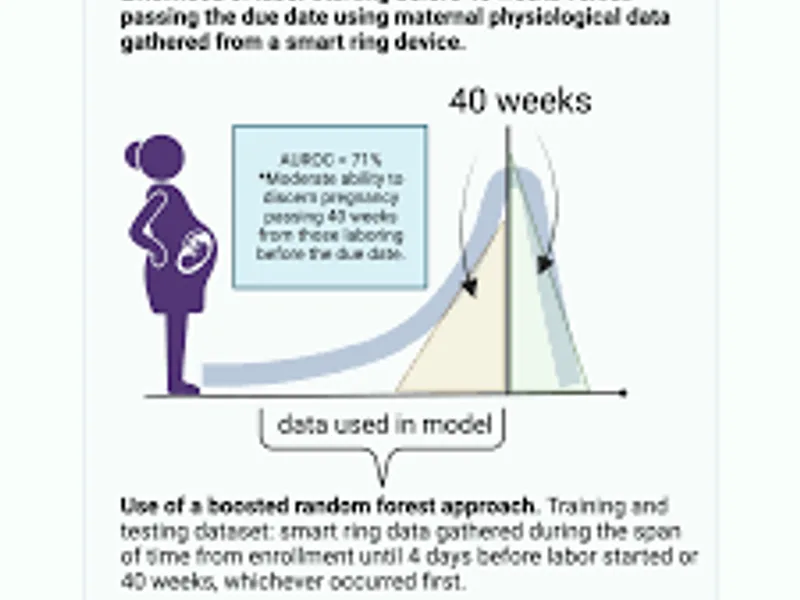
Going past your due date can feel like being stuck in a waiting room with no clock. This guide walks you through what actually happens during monitoring after due date pregnancy — the tests, the decisions, and the emotions nobody really prepares you for.
May 20, 2026
Going past your due date can feel like being stuck in a waiting room with no clock. This guide walks you through what actually happens during monitoring after due date pregnancy — the tests, the decisions, and the emotions nobody really prepares you for.
May 20, 2026

If you’re close to your due date and feeling stuck in waiting mode, this breaks down induction of labor methods in a way that actually makes sense. No jargon, no fluff—just what works, what doesn’t, and what it really feels like from a human perspective.
May 20, 2026