

Emergency & Help
24/7 Emergency & General Advisory
🚨 24/7 Medical Emergency
Non-Emergency Advisory
10:00 AM – 6:00 PM, Mon–Sat
For appointments & general queries.
24/7 Emergency & General Advisory
🚨 24/7 Medical Emergency
Non-Emergency Advisory
10:00 AM – 6:00 PM, Mon–Sat
For appointments & general queries.
Discover what to expect at 5 months pregnant, including your baby's development, common physical changes, and tips for a healthy pregnancy journey.

Congratulations! You've reached the halfway point of your pregnancy – five months in! Many women find this period to be a delightful phase, often referred to as the "honeymoon" stage. Your energy levels may have increased, and the more uncomfortable symptoms of early pregnancy might be fading. Your baby is growing rapidly, and you might be starting to feel those first precious kicks. Let's explore what this exciting month holds for both you and your little one.
By the fifth month, your pregnancy is likely very apparent to others. Your belly will have grown noticeably, but hopefully, it won't yet hinder your daily activities. For individuals with a typical pre-pregnancy weight, the recommended weight gain is generally between 25 to 35 pounds, as advised by the CDC. However, it's essential to remember that every pregnancy is unique, and healthy weight gain can vary significantly based on individual circumstances. Don't stress if your gain is a little more or less; your doctor will monitor your progress.
A common scenario: Priya, a first-time mom-to-be, noticed her favorite jeans no longer fit comfortably around the four-month mark. By month five, she happily embraced maternity wear, appreciating the extra room and comfort as her baby bump became more prominent and her appetite increased significantly.
Your baby is undergoing remarkable development during this month. They are growing in size and refining their senses and physical abilities. By 5 months, your baby typically measures around 6 to 7 inches from crown to rump and weighs approximately 10 ounces. This makes them about the size of a small banana!
Feeling your baby move for the first time is an incredibly special experience. These initial movements are known as "quickening." While it's exciting, it's also normal not to recognize these subtle sensations immediately, especially if it's your first pregnancy. The size and position of your baby, as well as the location of your placenta, can influence how easily you feel these movements. If you're concerned about your baby's movements at any point, always reach out to your doctor or midwife. They are there to provide reassurance and guidance.
The fifth month of pregnancy is often a time of renewed energy, making it a great time to focus on a balanced diet and regular, safe exercise. Continue to eat a nutritious diet rich in fruits, vegetables, whole grains, and lean proteins to support your baby's growth and your own well-being.
Focus on nutrient-dense foods. Good choices include:
Stay well-hydrated by drinking plenty of water throughout the day. Limit processed foods, excessive sugar, and caffeine.
Regular physical activity can help manage weight gain, improve sleep, reduce backaches, and boost your mood. Aim for at least 30 minutes of moderate-intensity exercise most days of the week. Safe options include:
Always listen to your body and avoid activities that involve a high risk of falling or abdominal trauma. Consult your doctor before starting or continuing any exercise program.
If you are carrying twins, your pregnancy journey will have some unique aspects. By five months, your twin babies will be growing and developing similarly in length to singletons. However, they might weigh slightly less than single babies, which is perfectly normal as they share the uterine space and may need to work a bit harder to gain weight.
Your physical changes will also be more pronounced. It's unlikely anyone will have to guess that you're pregnant! While your body is adapting, hopefully, you still have enough flexibility to sleep comfortably, exercise, and manage your daily tasks without excessive discomfort. If you are carrying twins, close monitoring by your healthcare provider is especially important.
While the fifth month is often a period of well-being, it's always wise to stay informed and communicate any concerns with your healthcare provider. Contact your doctor immediately if you experience any of the following:
Regular prenatal check-ups are vital. These appointments allow your doctor to monitor your health and your baby's development, address any emerging issues, and answer all your questions.
A: For individuals with a normal pre-pregnancy BMI, the recommended total weight gain is 25-35 pounds. By 5 months, you would typically have gained around 10-15 pounds, but this can vary. Always discuss your weight gain with your doctor.
A: First-time mothers usually feel their baby's first movements (quickening) between 16-20 weeks. If this is not your first pregnancy, you might feel it sooner, around 13-14 weeks. It can be subtle at first!
A: Yes, it's very common! As your uterus expands, it can push your belly button outwards, turning an 'innie' into an 'outie' or making an existing 'outie' more prominent.
A: Absolutely! Moderate exercise is generally safe and beneficial. Activities like walking, swimming, and prenatal yoga are excellent choices. However, always consult your doctor before starting or continuing any exercise routine.
A: Don't panic. If you haven't felt movement yet, it's likely still too early or the movements are very subtle. However, if you are concerned or if you've felt movement before and it has significantly decreased, contact your doctor immediately for advice and reassurance.
Visit Hospital
Near You
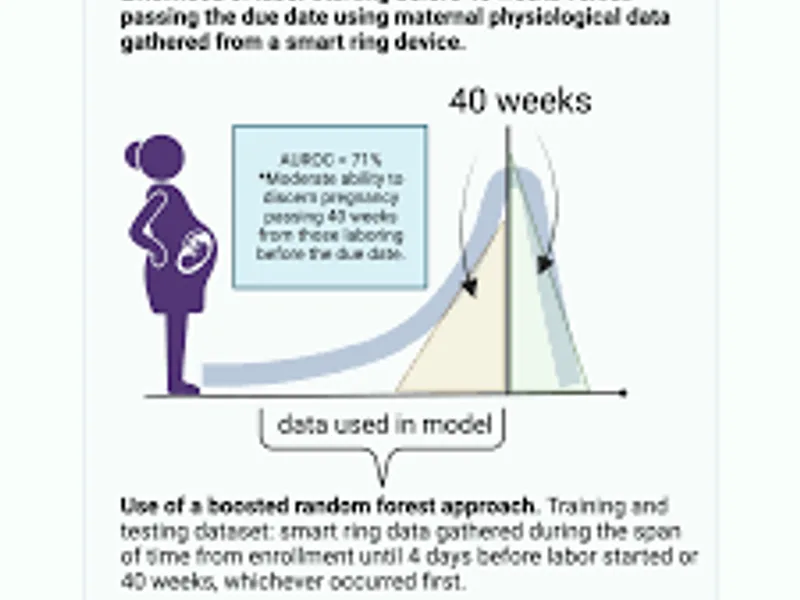
Going past your due date can feel like being stuck in a waiting room with no clock. This guide walks you through what actually happens during monitoring after due date pregnancy — the tests, the decisions, and the emotions nobody really prepares you for.
May 20, 2026
Going past your due date can feel like being stuck in a waiting room with no clock. This guide walks you through what actually happens during monitoring after due date pregnancy — the tests, the decisions, and the emotions nobody really prepares you for.
May 20, 2026
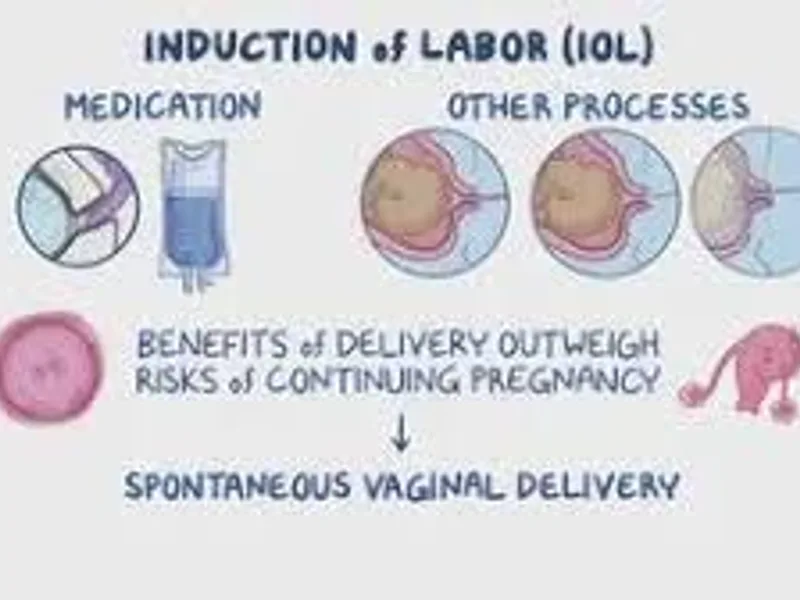
If you’re close to your due date and feeling stuck in waiting mode, this breaks down induction of labor methods in a way that actually makes sense. No jargon, no fluff—just what works, what doesn’t, and what it really feels like from a human perspective.
May 20, 2026