

Emergency & Help
24/7 Emergency & General Advisory
🚨 24/7 Medical Emergency
Non-Emergency Advisory
10:00 AM – 6:00 PM, Mon–Sat
For appointments & general queries.
24/7 Emergency & General Advisory
🚨 24/7 Medical Emergency
Non-Emergency Advisory
10:00 AM – 6:00 PM, Mon–Sat
For appointments & general queries.
Learn how to manage weight gain with gestational diabetes during pregnancy. Discover dietary tips, exercise recommendations, and when to seek medical advice for a healthier pregnancy journey.
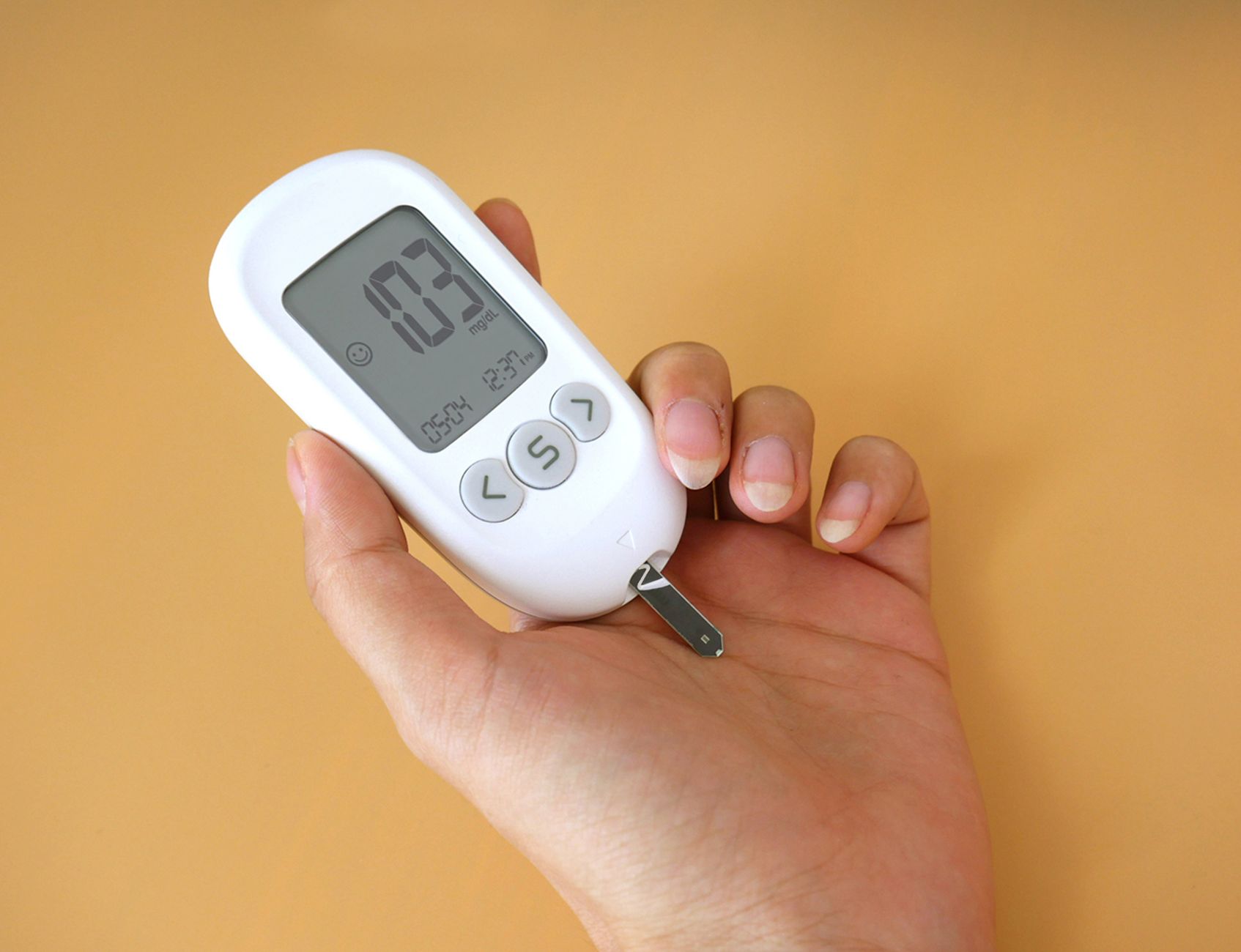
Understanding Gestational Diabetes and Weight Gain During Pregnancy Gestational diabetes mellitus (GDM) is a condition that affects some women during pregnancy. It is characterized by high blood sugar levels that develop during pregnancy and usually disappear after the baby is born. While it is a common condition, affecting between 2-10% of pregnancies in the United States each year, it can lead to serious health complications for both the mother and the baby if not managed properly. One of the concerns that often arises with gestational diabetes is weight gain. This article delves into the relationship between gestational diabetes and weight gain, offering practical advice for Indian readers on how to manage this aspect of their pregnancy. Can You Gain Weight with Gestational Diabetes? Yes, it is possible to gain weight with gestational diabetes, and in some cases, excessive weight gain can occur. Women with any type of diabetes, including gestational diabetes, are more prone to gaining extra weight. This is because elevated blood sugar and insulin levels in the bloodstream can signal the body to store excess sugar as fat. Excessive weight gain during pregnancy, especially after a GDM diagnosis, can pose risks to your health and the pregnancy's outcome, potentially leading to complications. Can You Be Slim and Still Have Gestational Diabetes? It's a common misconception that only overweight individuals can develop gestational diabetes. However, this is not true. Women of all body types can develop GDM. In fact, because women diagnosed with gestational diabetes often make conscious efforts to manage their blood sugar levels by avoiding sugary foods and engaging in regular exercise, they may maintain their current weight or even lose some weight. This highlights the importance of monitoring blood sugar levels and overall health, regardless of pre-pregnancy weight. Weight Gain During Pregnancy: What's Normal? A healthy pregnancy typically involves a certain amount of weight gain, usually around 25 pounds (approximately 11-12 kg). However, the ideal weight gain can vary based on your pre-pregnancy Body Mass Index (BMI) and whether you are carrying a single baby or multiples. Your doctor will provide personalized guidance on appropriate weight gain targets for your specific situation. It's crucial to discuss any concerns about not gaining enough weight or gaining too much weight with your healthcare provider. The Link Between Gestational Diabetes and Postpartum Weight Loss Losing weight after giving birth is an important aspect of recovery and long-term health, especially for women who have had gestational diabetes. Research suggests that even small amounts of weight loss can make a significant difference. For every kilogram (about 2.2 pounds) lost, the risk of developing diabetes can decrease by approximately 16%. This is particularly relevant as about 50% of women who experience gestational diabetes go on to develop type 2 diabetes later in life. A study from 2019 indicated that losing more than 2 kg (about 4.4 pounds) postpartum could lead to improvements in insulin resistance and cholesterol levels, further reducing the chances of developing chronic health issues. However, some studies have found that women with gestational diabetes may retain similar amounts of weight postpartum compared to those who did not have GDM. The reasons for this can be complex and multifactorial, not always directly linked to GDM itself. Factors such as increased sedentary behavior (e.g., caring for a newborn), reduced opportunities for physical activity during recovery, and challenges in maintaining a healthy lifestyle due to time and financial constraints can all play a role. Will Weight Gain from Gestational Diabetes Resolve After Pregnancy? In most instances, gestational diabetes resolves on its own shortly after delivery. However, this does not mean that the weight gained during pregnancy will automatically disappear. To achieve and maintain a recommended weight, continuing healthy lifestyle habits even after the baby is born is essential. This includes maintaining a balanced diet and regular physical activity. Managing Weight Gain with Gestational Diabetes: A Practical Approach The good news is that the same lifestyle changes recommended to manage blood sugar levels in gestational diabetes can also help prevent excessive weight gain. Here’s how you can approach it: 1. Nutrition and Diet: The Cornerstone of Management Balanced Meals: Focus on consuming a balanced diet rich in whole grains, lean proteins, healthy fats, and plenty of fruits and vegetables. Divide your meals into smaller, more frequent portions throughout the day to help stabilize blood sugar levels and manage hunger. Limit Sugary Foods and Refined Carbohydrates: Minimize your intake of sugary drinks, sweets, processed snacks, and refined grains like white bread and white rice. These can cause rapid spikes in blood sugar. Portion Control: Be mindful of portion sizes to manage calorie intake and prevent excessive weight gain. Hydration: Drink plenty of water throughout the day. Avoid sugary beverages. Consult a Dietitian: Working with a registered dietitian or a nutritionist can provide you with a personalized meal plan tailored to your needs and preferences, ensuring you get adequate nutrition while managing GDM and weight. 2. Regular Physical Activity: Stay Active Safely Regular exercise is crucial for managing blood sugar levels and promoting healthy weight. Aim for at least 30 minutes of moderate-intensity exercise most days of the week, as approved by your doctor. Safe and effective options include: Walking: A simple yet effective way to stay active. Prenatal Yoga: Can improve flexibility, strength, and relaxation. Swimming: A low-impact exercise that is gentle on the joints. Light Strength Training: Using light weights or resistance bands
In summary, timely diagnosis, evidence-based treatment, and prevention-focused care improve long-term health outcomes.
Visit Hospital
Near You

Going past your due date can feel like being stuck in a waiting room with no clock. This guide walks you through what actually happens during monitoring after due date pregnancy — the tests, the decisions, and the emotions nobody really prepares you for.
May 20, 2026
Going past your due date can feel like being stuck in a waiting room with no clock. This guide walks you through what actually happens during monitoring after due date pregnancy — the tests, the decisions, and the emotions nobody really prepares you for.
May 20, 2026

If you’re close to your due date and feeling stuck in waiting mode, this breaks down induction of labor methods in a way that actually makes sense. No jargon, no fluff—just what works, what doesn’t, and what it really feels like from a human perspective.
May 20, 2026