

Emergency & Help
24/7 Emergency & General Advisory
🚨 24/7 Medical Emergency
Non-Emergency Advisory
10:00 AM – 6:00 PM, Mon–Sat
For appointments & general queries.
24/7 Emergency & General Advisory
🚨 24/7 Medical Emergency
Non-Emergency Advisory
10:00 AM – 6:00 PM, Mon–Sat
For appointments & general queries.
Exploring the safety of glycolic acid during pregnancy. Learn about concentrations, potential side effects, and when to consult your doctor for skincare advice.
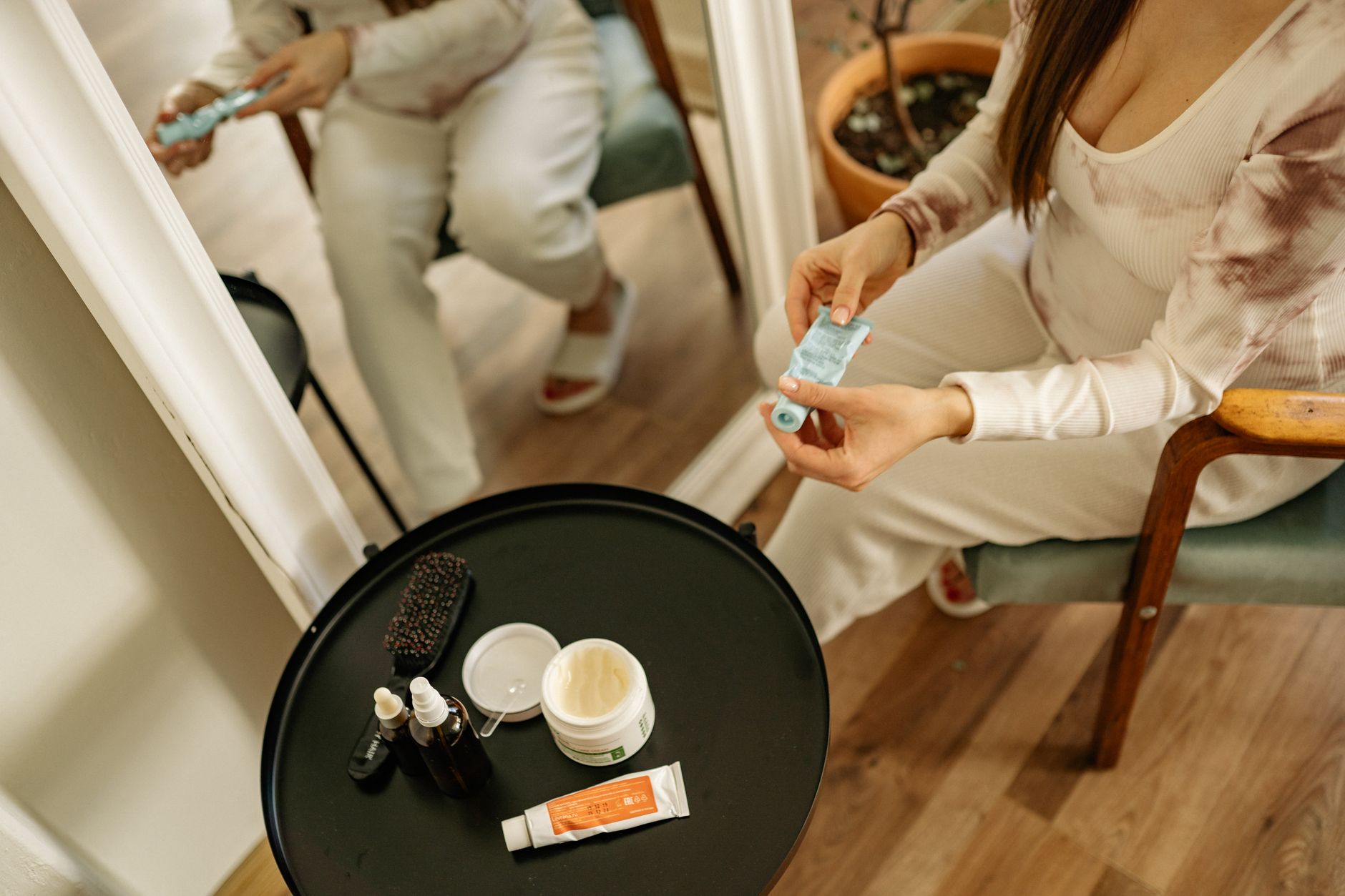
Pregnancy can bring about a whirlwind of changes, not just in your body but also in your routine. You might start scrutinizing the ingredients in your food, the air you breathe, and yes, even the skincare products you use. If you're a fan of smooth, glowing skin, you've likely heard of glycolic acid. It's a star ingredient in many popular exfoliants, promising to tackle dullness, fine lines, and acne scars. But when you're expecting, the question naturally arises: Is glycolic acid safe during pregnancy?
Let's break down what glycolic acid is, why it's so popular, and what the current understanding is regarding its use when you're pregnant. We'll explore the science, the precautions, and what your doctor might recommend.
Glycolic acid is a type of alpha hydroxy acid (AHA). AHAs are chemical compounds derived from natural sources, like sugar cane in the case of glycolic acid. Their primary job in skincare is to act as exfoliants. They work by loosening the bonds between dead skin cells on the surface of your skin, allowing them to shed more easily. This process, known as cell turnover, helps reveal the fresher, healthier skin underneath.
Why do so many people love glycolic acid? It's incredibly effective. It can:
You can find glycolic acid in a range of products, from daily cleansers and serums to more intensive chemical peels available at spas and salons.
Understanding the safety of any substance during pregnancy often involves looking at scientific studies. However, when it comes to skincare ingredients like glycolic acid, research involving pregnant individuals can be limited. This is primarily due to ethical considerations; researchers are often hesitant to conduct trials that might pose even a theoretical risk to a developing baby.
What the studies suggest:
It's important to note that while research is ongoing, the available evidence points towards glycolic acid being generally safe when used topically in appropriate concentrations.
This is perhaps the most critical piece of advice when considering glycolic acid during pregnancy: concentration is key.
Most dermatologists and skincare experts recommend sticking to products containing glycolic acid at concentrations lower than 10 percent. Higher concentrations, particularly those used in professional chemical peels, might carry a greater risk and are often best avoided during pregnancy unless specifically cleared by your doctor.
What to do:
For instance, if you notice a product lists glycolic acid as one of its first few ingredients, it likely contains a higher concentration. Conversely, if it's further down the list, the percentage is probably lower.
Pregnancy can make your skin more sensitive than usual. Hormonal shifts can lead to increased reactivity, even to products you've used without any issues before.
Be aware of these potential side effects:
If you experience any of these, it's best to stop using the product immediately and consult your healthcare provider.
Maya, who is 20 weeks pregnant, had been using a glycolic acid serum for years to manage her acne and dull skin. She continued using it in her first trimester without thinking much of it. However, around her second trimester, she noticed her skin becoming unusually red and sensitive after applying her usual serum. Even a gentle moisturizer started to sting. This experience made her pause and decide to seek advice from her gynecologist before continuing any active skincare ingredients.
It's always wise to err on the side of caution during pregnancy, especially when it comes to skincare. Here’s when you should definitely talk to your OB-GYN or dermatologist:
Your doctor can assess your individual skin type, pregnancy stage, and overall health to provide the most accurate guidance.
If you're concerned about using glycolic acid or if your doctor advises against it, there are other safe and effective options for improving your skin during pregnancy:
Remember, pregnancy often causes skin changes, and sometimes patience is the best remedy. Your skin might look and feel different, but many of these changes are temporary.
Yes, generally, a face wash containing glycolic acid at a concentration below 10 percent is considered safe for use during pregnancy. However, always monitor your skin for any signs of irritation and consult your doctor if you have concerns.
Similar to face washes, lotions and creams with glycolic acid concentrations under 10 percent are typically considered safe. The key is to ensure the product isn't too harsh for your pregnancy-sensitive skin.
Professional chemical peels, especially those with higher concentrations of glycolic acid, are often best avoided during pregnancy. It's essential to discuss this with your doctor or dermatologist, as they may recommend a milder alternative or advise against it altogether.
Signs of sensitivity include excessive redness, stinging, burning, peeling, or itching after application. If you notice any of these, discontinue use immediately and consult your healthcare provider.
Visit Hospital
Near You

Going past your due date can feel like being stuck in a waiting room with no clock. This guide walks you through what actually happens during monitoring after due date pregnancy — the tests, the decisions, and the emotions nobody really prepares you for.
May 20, 2026
Going past your due date can feel like being stuck in a waiting room with no clock. This guide walks you through what actually happens during monitoring after due date pregnancy — the tests, the decisions, and the emotions nobody really prepares you for.
May 20, 2026

If you’re close to your due date and feeling stuck in waiting mode, this breaks down induction of labor methods in a way that actually makes sense. No jargon, no fluff—just what works, what doesn’t, and what it really feels like from a human perspective.
May 20, 2026