

Emergency & Help
24/7 Emergency & General Advisory
🚨 24/7 Medical Emergency
Non-Emergency Advisory
10:00 AM – 6:00 PM, Mon–Sat
For appointments & general queries.
24/7 Emergency & General Advisory
🚨 24/7 Medical Emergency
Non-Emergency Advisory
10:00 AM – 6:00 PM, Mon–Sat
For appointments & general queries.
Learn about the safety and importance of Hepatitis B vaccination during pregnancy for protecting both mother and baby from this serious liver infection. Understand risks, symptoms, and when to consult a doctor.
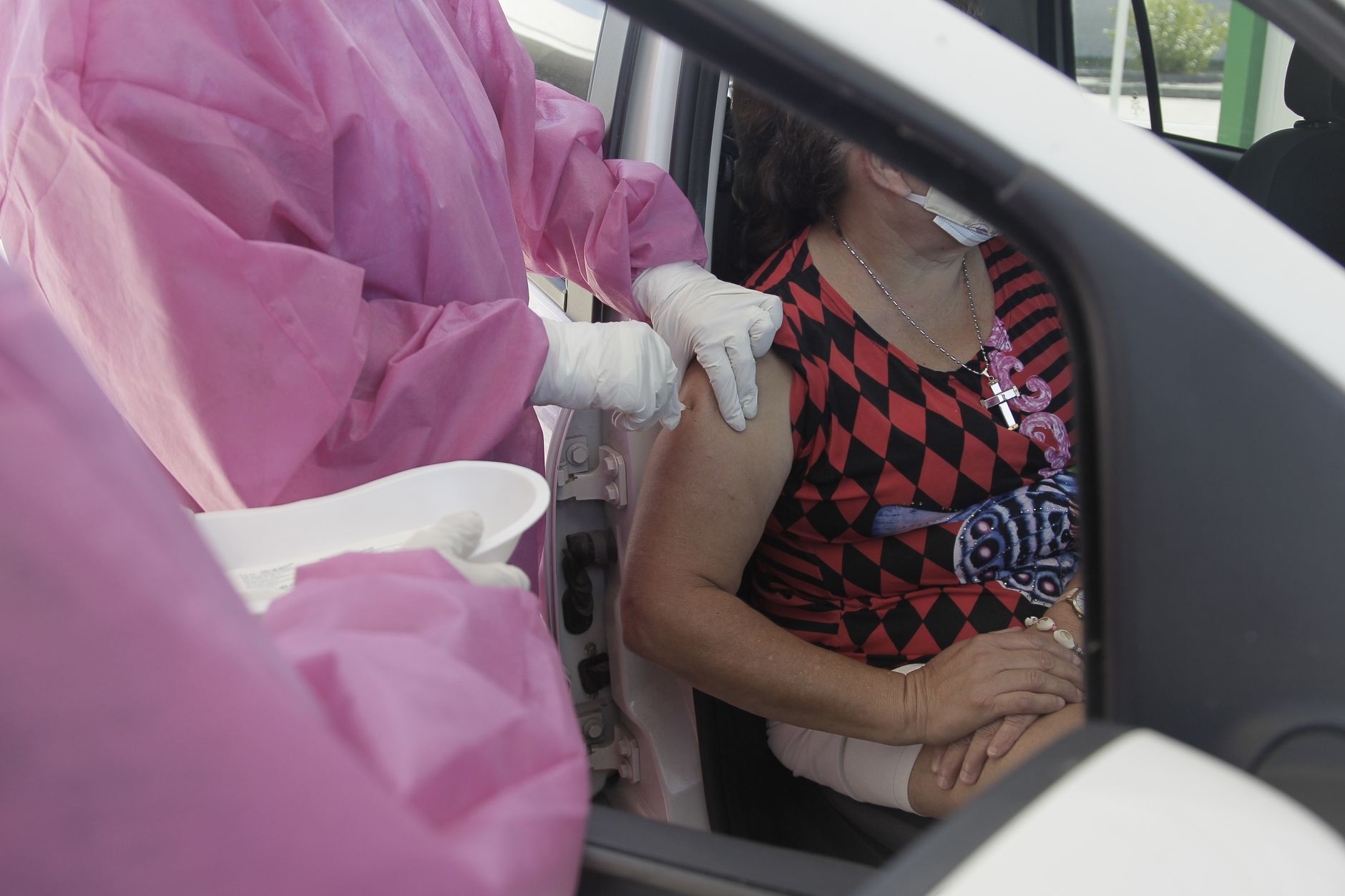
Hepatitis B is a serious viral infection that primarily affects the liver. It is caused by the Hepatitis B virus (HBV). Globally, an estimated 296 million people are living with chronic HBV infection. In India, the prevalence can vary, but it remains a significant public health concern. For pregnant women, contracting Hepatitis B can pose substantial risks, not only to their own health but also to their developing baby. Without proper preventive measures, the transmission rate from an infected mother to her newborn can be as high as 90%. This can lead to chronic HBV infection in the infant, significantly increasing the risk of severe liver diseases like cirrhosis and liver cancer later in life, and even premature death. Therefore, understanding the importance of Hepatitis B vaccination during pregnancy is crucial for expectant mothers in India.
The Hepatitis B vaccine is a safe and effective way to prevent HBV infection. It is recommended for all individuals who have not been vaccinated and are at risk, including pregnant women. The vaccine works by stimulating the body's immune system to produce antibodies against the Hepatitis B virus. It's ideal to get vaccinated before pregnancy, but if you are pregnant and not immune, it is highly recommended to get the vaccine. The vaccine does not contain live or whole Hepatitis B virus; instead, it contains a laboratory-made protein found on the surface of the virus. This means there is absolutely no risk of the vaccine causing Hepatitis B infection in you or your unborn baby. Studies have consistently shown that administering the Hepatitis B vaccine during pregnancy poses no health risks to either the mother or the fetus.
Contracting Hepatitis B during pregnancy can have severe consequences. The virus is highly transmissible through blood and other bodily fluids. If a pregnant woman contracts HBV, there is a very high likelihood of transmitting the infection to her baby during childbirth. As mentioned, this can lead to chronic infection in the infant, which can have lifelong health implications. Furthermore, both pregnancy and HBV infection can put a strain on the mother's liver and potentially increase the risk of certain pregnancy complications. Early detection and prevention are key to safeguarding maternal and child health.
Many people with Hepatitis B, especially in the chronic stage, may not experience any symptoms for years. This is why it is often called a 'silent' infection. However, when symptoms do occur, they can include:
It's important to note that these symptoms can also be indicative of other health issues, so a proper medical diagnosis is essential.
Hepatitis B is diagnosed through blood tests that detect specific antibodies and antigens related to the virus. These tests can determine if you have a current infection, have had a past infection, or are immune to the virus. If you are pregnant, your doctor will likely screen you for Hepatitis B as part of your routine prenatal care, especially if you belong to a high-risk group.
The Hepatitis B vaccine is part of the routine immunization schedule for infants in many countries, including India. However, for adults, especially pregnant women who may not have been vaccinated earlier, it's crucial to discuss vaccination with your healthcare provider. If you are pregnant and have not been vaccinated or are unsure of your immune status, you should get the vaccine as soon as possible. There is no need to wait to get pregnant after receiving the Hepatitis B vaccine; it is safe to conceive immediately after vaccination.
For infants born to mothers with Hepatitis B, prompt medical intervention is vital. All infants born to birthing parents who have HBV generally receive a Hepatitis B vaccine and Hepatitis B Immune Globulin (HBIG) within 12 hours of birth. These injections are highly effective in preventing the baby from contracting the virus, reducing the risk by up to 95%. Continuing with the full vaccine series as recommended by your doctor further strengthens the baby's immunity.
It is essential to consult your doctor if:
Your doctor can provide accurate information, perform necessary tests, and recommend the best course of action for your health and the health of your baby. Early consultation and adherence to medical advice are paramount in managing Hepatitis B during pregnancy.
Hepatitis B is a preventable disease, and vaccination is a cornerstone of prevention. For pregnant women in India, understanding the risks associated with HBV and the safety and efficacy of the Hepatitis B vaccine is vital. By taking proactive steps and consulting with healthcare professionals, expectant mothers can protect themselves and their newborns from the potentially devastating effects of Hepatitis B, ensuring a healthier future for their families.
Visit Hospital
Near You

Going past your due date can feel like being stuck in a waiting room with no clock. This guide walks you through what actually happens during monitoring after due date pregnancy — the tests, the decisions, and the emotions nobody really prepares you for.
May 20, 2026
Going past your due date can feel like being stuck in a waiting room with no clock. This guide walks you through what actually happens during monitoring after due date pregnancy — the tests, the decisions, and the emotions nobody really prepares you for.
May 20, 2026

If you’re close to your due date and feeling stuck in waiting mode, this breaks down induction of labor methods in a way that actually makes sense. No jargon, no fluff—just what works, what doesn’t, and what it really feels like from a human perspective.
May 20, 2026