

Emergency & Help
24/7 Emergency & General Advisory
🚨 24/7 Medical Emergency
Non-Emergency Advisory
10:00 AM – 6:00 PM, Mon–Sat
For appointments & general queries.
24/7 Emergency & General Advisory
🚨 24/7 Medical Emergency
Non-Emergency Advisory
10:00 AM – 6:00 PM, Mon–Sat
For appointments & general queries.
Considering hibiscus tea during pregnancy? Understand the potential risks, including concerns about fetal development and miscarriage, and explore safe alternatives for a healthy pregnancy.
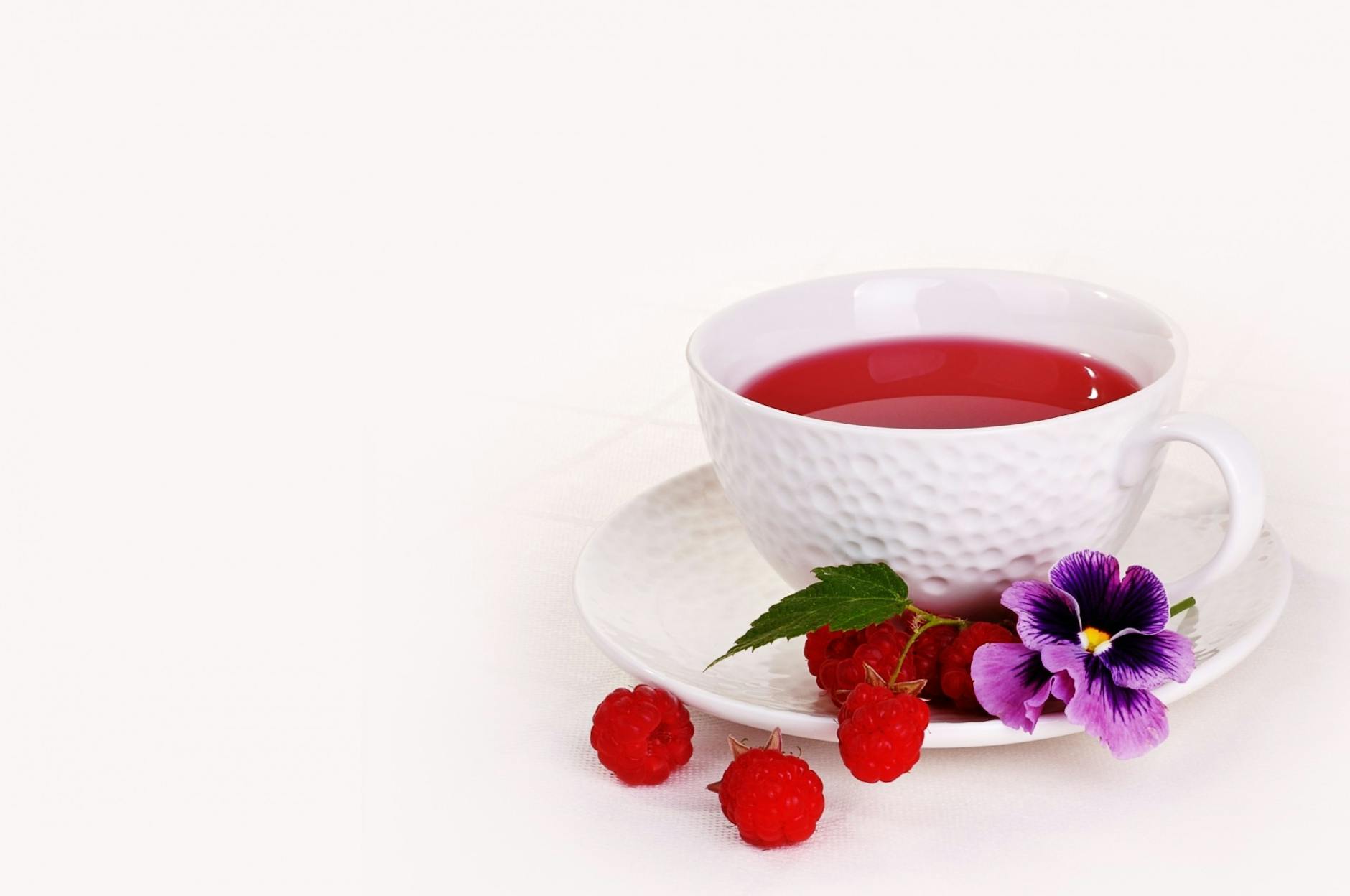
Pregnancy is a beautiful journey, a time of immense joy and anticipation. However, it also brings a whirlwind of questions, especially concerning what you can safely consume. From your daily cup of chai to that refreshing juice, every choice is scrutinised. You're likely aware of the big no-nos like alcohol and certain raw foods. But what about those seemingly innocent herbal teas? You might be eyeing hibiscus tea as a caffeine-free alternative to your usual coffee, a refreshing drink that's both delicious and potentially good for you. After all, hibiscus is celebrated for its vibrant flavour and a host of health benefits. It's packed with antioxidants, can aid digestion, may help lower blood pressure, and some studies even suggest it could play a role in fighting certain cancers.
Hibiscus tea is brewed from the dried petals of the hibiscus plant, a beautiful flowering shrub native to tropical climates worldwide. Beyond its aesthetic appeal in gardens, the hibiscus plant boasts a rich history of medicinal and practical uses. Different parts of the plant have been traditionally employed to create paper, rope, and various folk remedies. The tea itself, often enjoyed hot or iced, is known for its tart, cranberry-like flavour and striking crimson colour. Its popularity stems from its perceived health advantages, making it a go-to choice for many seeking natural wellness solutions.
Let's talk about why hibiscus tea has captured so many imaginations. It's more than just a pretty drink. This herbal infusion is a powerhouse of nutrients and beneficial compounds. We're talking significant amounts of vitamin C, essential for immune function, and anthocyanins, powerful antioxidants that give the tea its vibrant hue and combat cellular damage. Some research suggests hibiscus may contribute to:
These potential benefits paint a picture of a truly remarkable plant. However, when it comes to pregnancy, the narrative shifts dramatically. The very properties that make hibiscus tea appealing for general wellness can pose risks during this delicate period.
Pregnancy is a unique physiological state where the body is undergoing profound changes to support a growing life. What might be perfectly safe, or even beneficial, for a non-pregnant individual could have unintended consequences for you and your baby. When it comes to hibiscus tea, the scientific research is limited, especially concerning human pregnancies. Much of the existing data comes from animal studies, which, while informative, aren't always directly translatable to humans. Nevertheless, the findings from these studies are significant enough to warrant extreme caution.
Several animal studies have raised red flags regarding hibiscus consumption during pregnancy. A notable study from 2016, involving pregnant rats, found that hibiscus extract had the potential to:
These findings are not isolated. An earlier study in 2008, also on pregnant rats, corroborated these concerns. Researchers observed not only the delay in puberty but also instances of maternal malnutrition, highlighting potential adverse effects on the mother's health as well.
Perhaps one of the most significant concerns surrounding hibiscus tea during pregnancy is its potential to act as an emmenagogue. This means it can encourage blood flow to the uterus, stimulating menstruation. While this effect might be desirable for individuals with irregular periods, it's precisely what makes it risky during pregnancy. The stimulation of uterine blood flow could theoretically lead to:
This potential to disrupt the hormonal balance and physically stimulate the uterus is a major reason why medical professionals advise against hibiscus tea consumption during pregnancy.
As you approach your due date, the desire to hasten labour can become overwhelming. You might wonder if a cup of hibiscus tea could be the gentle nudge your body needs. However, the answer is a firm no. Even if you are full-term, relying on hibiscus tea to induce labour is not recommended. The same properties that raise concerns earlier in pregnancy can pose risks even at the end. Instead of a gentle push, it could potentially lead to unpredictable contractions or other complications. It's always best to let labour begin naturally or discuss induction methods with your doctor.
It's important to note that most studies focusing on hibiscus and pregnancy risks involve concentrated hibiscus extracts or herbal blends that include hibiscus alongside other herbs. Commercially available hibiscus teas often contain lower concentrations of the active compounds compared to these supplements. However, the principle of caution remains. Because the exact concentration can vary widely, and the potential risks are serious, it's safest to assume that any form of hibiscus could pose a threat during pregnancy.
The good news is that you don't have to give up on enjoying warm, comforting beverages or refreshing cold drinks during pregnancy. Many herbal teas are considered safe and can offer similar soothing or hydrating benefits. Always double-check with your healthcare provider before trying any new herbal tea, but here are some commonly accepted options:
Remember, even with safe teas, moderation is key. Listen to your body and consult your doctor if you have any doubts.
Navigating pregnancy health can feel complex, and seeking professional advice is always the wisest course of action. You should consult your doctor or a qualified healthcare provider in the following situations:
While hibiscus tea offers a range of potential health benefits for the general population, the current scientific evidence, primarily from animal studies, suggests a significant risk of adverse effects during pregnancy. These include potential impacts on fetal development and the risk of miscarriage due to its emmenagogue properties. Given these concerns, the safest approach is to avoid hibiscus tea and hibiscus-containing products throughout your pregnancy. Prioritise your well-being and your baby's by sticking to known safe beverages and always consulting with your healthcare provider for personalised guidance. Enjoying a healthy and safe pregnancy is paramount, and making informed choices about your diet and drink is a vital part of that journey.
Q1: Is all herbal tea safe during pregnancy?
A: Not necessarily. While many herbal teas are considered safe, some can have side effects or lack sufficient research for pregnant women. Always verify with your doctor before consuming any herbal tea.
Q2: Can I drink hibiscus tea in my third trimester?
A: No, it is best to avoid hibiscus tea throughout your entire pregnancy, including the third trimester. The potential risks remain present.
Q3: What are the main risks of drinking hibiscus tea during pregnancy?
A: The primary concerns are the potential for delayed puberty in the baby, increased risk of obesity, and the risk of miscarriage or early labor due to hibiscus's ability to stimulate menstruation.
Q4: Are there any benefits to drinking hibiscus tea while pregnant?
A: Based on current research, the potential risks during pregnancy far outweigh any purported benefits. It is not recommended for pregnant individuals.
Q5: What drinks are safe alternatives to hibiscus tea during pregnancy?
A: Safe alternatives include water, milk, and certain herbal teas like ginger, peppermint, and rooibos, after consulting with your doctor.
Visit Hospital
Near You

Going past your due date can feel like being stuck in a waiting room with no clock. This guide walks you through what actually happens during monitoring after due date pregnancy — the tests, the decisions, and the emotions nobody really prepares you for.
May 20, 2026
Going past your due date can feel like being stuck in a waiting room with no clock. This guide walks you through what actually happens during monitoring after due date pregnancy — the tests, the decisions, and the emotions nobody really prepares you for.
May 20, 2026

If you’re close to your due date and feeling stuck in waiting mode, this breaks down induction of labor methods in a way that actually makes sense. No jargon, no fluff—just what works, what doesn’t, and what it really feels like from a human perspective.
May 20, 2026