

Emergency & Help
24/7 Emergency & General Advisory
🚨 24/7 Medical Emergency
Non-Emergency Advisory
10:00 AM – 6:00 PM, Mon–Sat
For appointments & general queries.
24/7 Emergency & General Advisory
🚨 24/7 Medical Emergency
Non-Emergency Advisory
10:00 AM – 6:00 PM, Mon–Sat
For appointments & general queries.
Learn how to protect yourself and your baby from HIV transmission during pregnancy. Discover the latest medical advancements and essential steps for a healthy journey.

Receiving an HIV diagnosis can bring a wave of emotions, and if you're planning a pregnancy or discover you're pregnant while living with HIV, your concerns might intensify. It’s completely natural to wonder about the implications for your health and, more importantly, for your baby's well-being. But here's some incredibly hopeful news: with today's medical advancements, the outlook is brighter than ever.
You are not alone. A significant number of people living with HIV become parents each year, and medical science has made remarkable strides. HIV, the human immunodeficiency virus, is a condition that impacts your immune system. It's primarily transmitted through specific bodily fluids, often via sexual contact, or through blood exposure. It's vital to understand that having HIV does not automatically mean you have AIDS (acquired immunodeficiency syndrome). AIDS is a more advanced stage of HIV infection that can develop if HIV is left untreated, leading to a severely compromised immune system.
HIV attacks your body's CD4 cells, which are critical components of your immune system. These cells help your body fight off infections and diseases. When HIV damages these cells, your body becomes more vulnerable. Many people can live with HIV for years without showing any symptoms, which is why regular testing is so important, especially if you've ever been at risk. Early detection is key to effective management and preventing the progression to AIDS, which occurs when your CD4 count drops below a certain level.
The good news? There's no cure for HIV yet, but with consistent and effective antiretroviral therapy (ART), individuals can manage the virus, maintain a strong immune system, and live long, healthy lives. ART works by reducing the amount of HIV in your body, known as the viral load. A lower viral load means the virus is less active, and crucially, it significantly reduces the risk of transmitting HIV to others, including your baby.
Absolutely! The answer is a resounding yes. Medical research and countless real-life experiences confirm that people living with HIV can conceive and have healthy children. Your fertility is not inherently affected by HIV. Modern HIV treatments have advanced to a point where pregnancy for someone with HIV is considered safe, with minimized risks of transmission. In many places, HIV testing is a standard part of prenatal care for all expectant mothers, ensuring that anyone who is positive receives the necessary support and guidance promptly.
Perinatal transmission refers to the passing of HIV from a mother to her child. While the risk exists, it's important to know that it can be dramatically reduced. There are three main ways HIV can be transmitted from mother to baby:
Certain factors can increase the risk of transmission. These might include having a high viral load (a large amount of HIV in your blood) or a low CD4 count (indicating a weaker immune system) during pregnancy. Other untreated infections, like sexually transmitted infections (STIs) or conditions like tuberculosis, can also raise the risk.
The most empowering aspect of managing HIV during pregnancy is the ability to significantly reduce the risk of transmission to your baby. The goal is to achieve an undetectable viral load, which means the amount of HIV in your blood is so low that it cannot be detected by standard tests. When your viral load is undetectable, the risk of transmitting HIV to your baby is less than 1%.
If you are pregnant or planning to become pregnant and have HIV, or if you have any concerns about your HIV status, it is absolutely essential to speak with your doctor or a healthcare provider specializing in HIV care as soon as possible. Early consultation ensures you can start or continue treatment, implement preventive measures, and have a healthy pregnancy journey.
Don't hesitate to discuss any questions or fears you have. Your healthcare team is there to support you every step of the way, providing personalized care and ensuring the best possible outcomes for both you and your baby. Remember, with the right medical care and adherence to treatment, you can have a healthy pregnancy and a healthy child.
Yes! With proper medical care and treatment, the vast majority of babies born to HIV-positive mothers are healthy and do not contract HIV. The risk of transmission has been reduced to less than 1% with effective ART.
If you are on effective HIV treatment and have an undetectable viral load, the chances of passing HIV to your baby are less than 1%. Without treatment, the risk is significantly higher.
An undetectable viral load means that the amount of HIV in your blood is so low that it cannot be detected by a standard viral load test. This is the goal of HIV treatment, as it keeps you healthy and dramatically reduces the risk of transmission.
Healthcare providers generally advise against breastfeeding or chestfeeding if you have HIV to eliminate the risk of transmitting the virus to your baby through breast milk. Formula feeding is the recommended safe alternative.
Visit Hospital
Near You
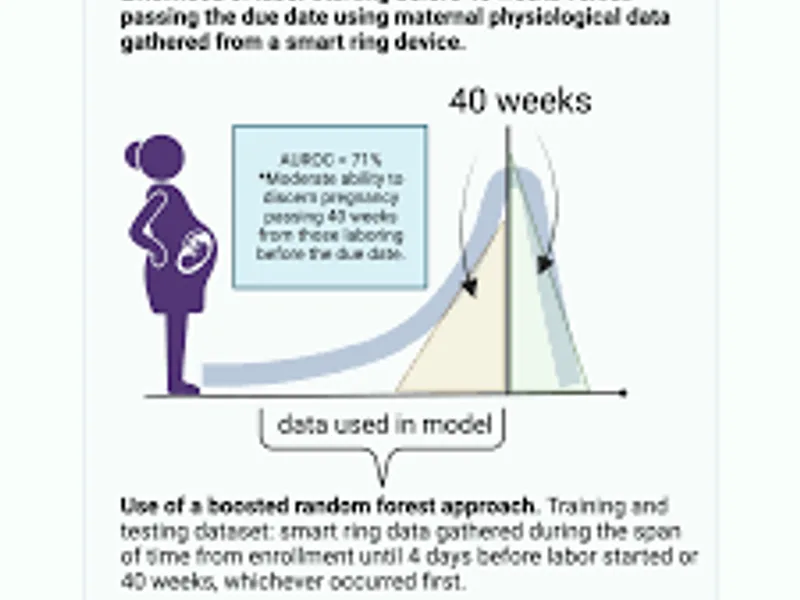
Going past your due date can feel like being stuck in a waiting room with no clock. This guide walks you through what actually happens during monitoring after due date pregnancy — the tests, the decisions, and the emotions nobody really prepares you for.
May 20, 2026
Going past your due date can feel like being stuck in a waiting room with no clock. This guide walks you through what actually happens during monitoring after due date pregnancy — the tests, the decisions, and the emotions nobody really prepares you for.
May 20, 2026
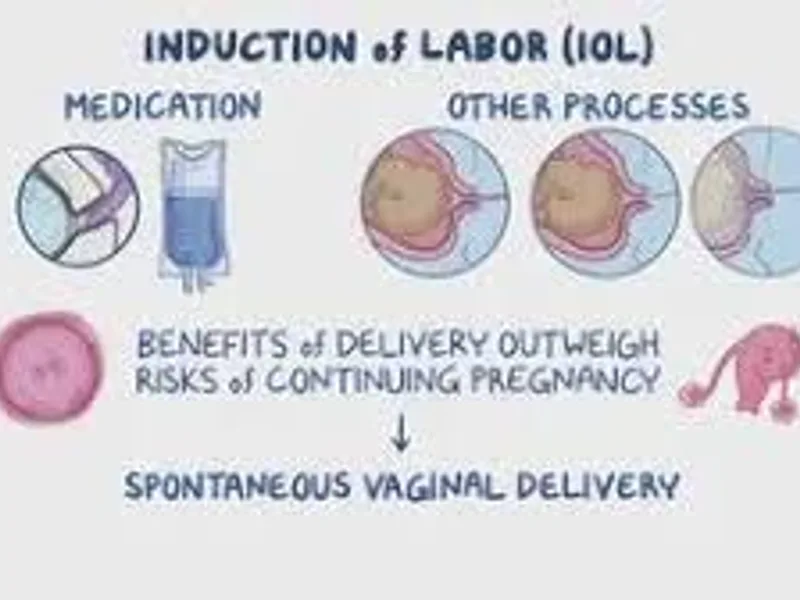
If you’re close to your due date and feeling stuck in waiting mode, this breaks down induction of labor methods in a way that actually makes sense. No jargon, no fluff—just what works, what doesn’t, and what it really feels like from a human perspective.
May 20, 2026