

Emergency & Help
24/7 Emergency & General Advisory
🚨 24/7 Medical Emergency
Non-Emergency Advisory
10:00 AM – 6:00 PM, Mon–Sat
For appointments & general queries.
24/7 Emergency & General Advisory
🚨 24/7 Medical Emergency
Non-Emergency Advisory
10:00 AM – 6:00 PM, Mon–Sat
For appointments & general queries.
Learn about home pregnancy tests, when to take them for accurate results, and what they detect.

The days, weeks, or even months of wondering if you're pregnant can feel incredibly long. There's a whirlwind of emotions that often accompanies the anticipation of pregnancy, and for good reason – it signifies a life-changing event. Fortunately, a reliable at-home pregnancy test can offer a swift answer to that all-important question. It can also guide you on when to schedule that crucial appointment with your doctor or midwife and help you decide if it's time to put those celebratory cocktails on hold.
At their core, home pregnancy tests are designed to detect a specific hormone in your urine: human chorionic gonadotropin, or hCG. This hormone is produced by the cells that will eventually form the placenta shortly after a sperm fertilizes an egg and conception occurs. As pregnancy progresses, hCG levels typically rise quite rapidly. Home pregnancy tests essentially look for the presence of this hormone to indicate a potential pregnancy.
The process is generally straightforward. Most tests involve either holding a stick directly in your urine stream – ideally with your first morning urine, as it's the most concentrated – or urinating into a clean cup and then dipping the test stick into the collected urine. The test then analyzes the urine for hCG. The result is usually displayed after a short waiting period, typically between one and five minutes, as indicated on the test's packaging.
Timing is everything when it comes to getting an accurate result from a home pregnancy test. While many tests claim up to 99 percent accuracy, this can be misleading if you test too early. External studies have suggested that for some mainstream tests, accuracy can be lower in the days leading up to a missed period. The most reliable time to test is generally considered to be starting on the day your period is due, and ideally, the week following your missed period. Before this point, the hCG levels in your urine might simply not be high enough for the test to detect.
Scenario: Priya is convinced she might be pregnant after unprotected intercourse. Her period is due in five days. She's anxious to know and considers buying a test today. However, knowing that testing too early can lead to a false negative, she decides to wait until the day her period is expected, or even a few days after, to ensure the most accurate result.
Several factors can influence the accuracy of your home pregnancy test:
The market offers a variety of home pregnancy tests, each with its own advantages:
These are the most common type. You typically hold them in your urine stream or dip them into a collected sample. Results appear as lines or symbols on a display window.
These tests offer a clear, written result (e.g.,
Most people do not notice early warning signs right away. That is common. A simple symptom diary, basic routine checks, and timely follow-up visits can prevent small problems from becoming serious.
If you are already on treatment, stay consistent with medicines and lifestyle advice. If your symptoms change, do not guess. Check with a qualified doctor and update your plan early.
Write down symptoms, triggers, and timing for a few days.
Carry old prescriptions and test reports to your consultation.
Ask clearly about side effects, red-flag signs, and follow-up dates.
Seek urgent care for severe pain, breathing trouble, bleeding, fainting, or sudden worsening.
Visit Hospital
Near You
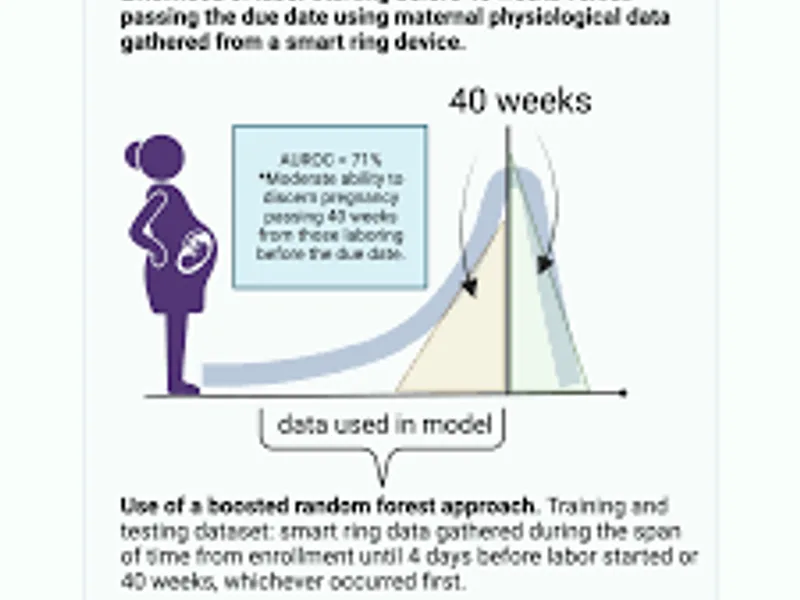
Going past your due date can feel like being stuck in a waiting room with no clock. This guide walks you through what actually happens during monitoring after due date pregnancy — the tests, the decisions, and the emotions nobody really prepares you for.
May 20, 2026
Going past your due date can feel like being stuck in a waiting room with no clock. This guide walks you through what actually happens during monitoring after due date pregnancy — the tests, the decisions, and the emotions nobody really prepares you for.
May 20, 2026
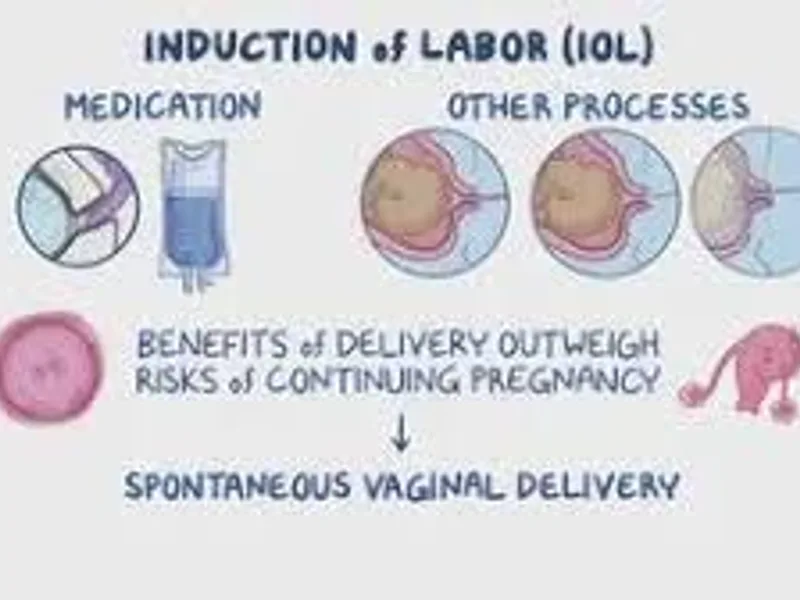
If you’re close to your due date and feeling stuck in waiting mode, this breaks down induction of labor methods in a way that actually makes sense. No jargon, no fluff—just what works, what doesn’t, and what it really feels like from a human perspective.
May 20, 2026