

Emergency & Help
24/7 Emergency & General Advisory
🚨 24/7 Medical Emergency
Non-Emergency Advisory
10:00 AM – 6:00 PM, Mon–Sat
For appointments & general queries.
24/7 Emergency & General Advisory
🚨 24/7 Medical Emergency
Non-Emergency Advisory
10:00 AM – 6:00 PM, Mon–Sat
For appointments & general queries.
Discover the factors influencing your chances of getting pregnant, from age and health conditions to lifestyle choices. Learn when to seek help.
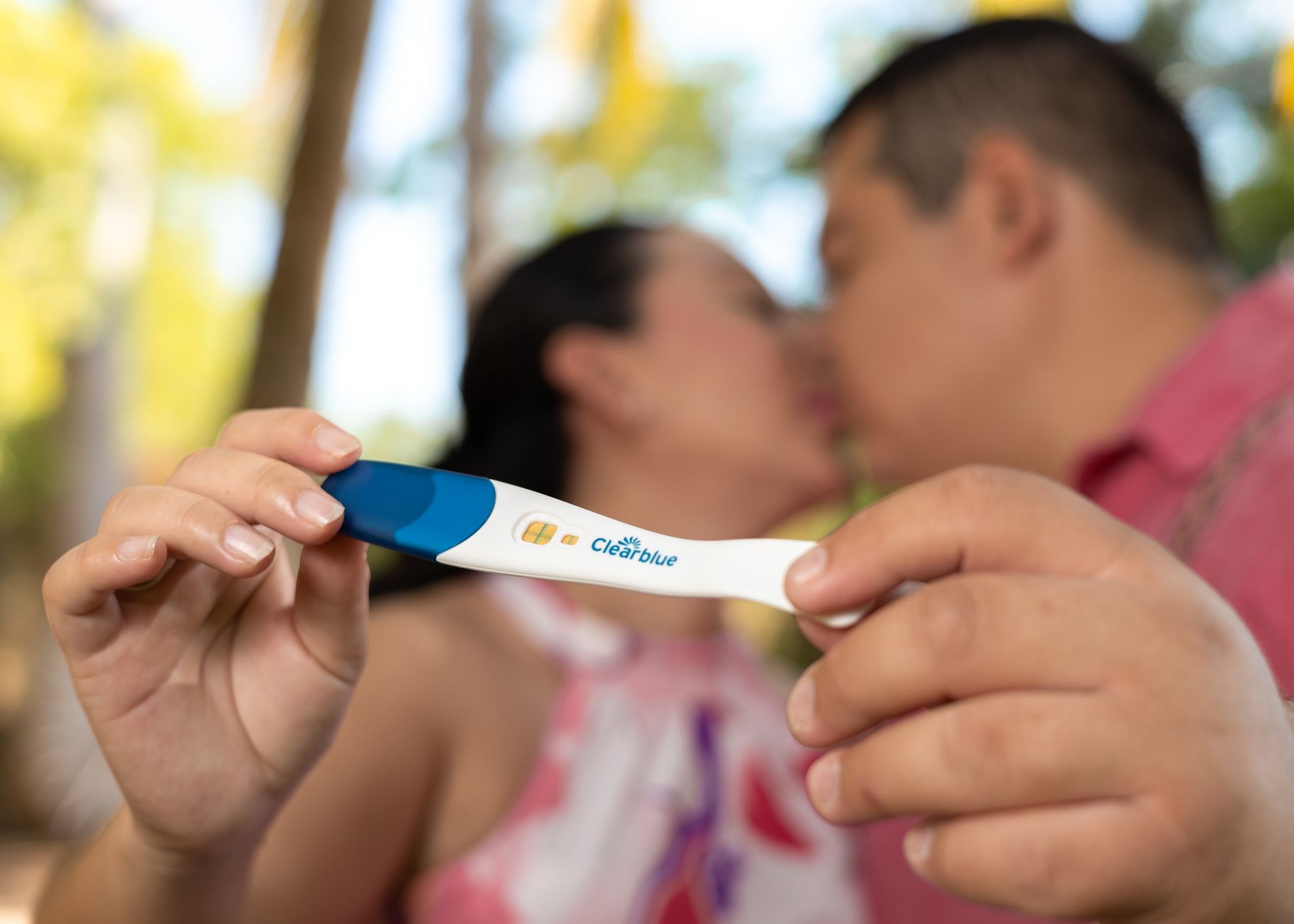
Thinking about starting a family or perhaps trying to avoid one? The journey to pregnancy can feel like a mystery for many. While it might seem like everyone around you is conceiving effortlessly, the reality is that getting pregnant involves a complex dance of biological factors, timing, and sometimes, a bit of luck. Let's break down what influences your chances of conceiving and what you can do to support your fertility journey.
At its core, pregnancy requires several key events to happen successfully:
It's a remarkable process, and while millions of babies are born each year (nearly 3.8 million in the US in 2018 alone!), it's not always as straightforward as it seems. Many couples face challenges, and understanding the factors involved can be empowering.
Age plays a substantial role in a woman's ability to conceive. As women get older, their egg supply and quality naturally decline.
Men's fertility also declines with age, though typically at a slower and less predictable rate than women's. While men can produce sperm throughout their lives, the quality can decrease over time, potentially increasing the risk of genetic defects in offspring. Issues with libido or ejaculation can also occur at any age.
Certain health conditions can significantly affect fertility for both men and women.
Your daily habits and lifestyle choices can have a surprising impact on your fertility.
Real-life Scenario: Priya, 32, and Rohan, 34, have been trying to conceive for a year. They lead busy lives, often eating takeout and rarely exercising. Priya has irregular periods, which her doctor suspects might be PCOS. They feel stressed and discouraged with each negative pregnancy test.
While conception can take time, there are recommended timelines for seeking medical advice:
Don't hesitate to discuss your concerns with your doctor. They can conduct tests to evaluate your fertility, identify potential issues, and discuss treatment options if needed. These might include lifestyle changes, medication to stimulate ovulation, or assisted reproductive technologies (ART) like IUI or IVF.
For healthy couples in their 20s and early 30s, there's about a 25% chance of conception each month. However, it can take up to a year for many couples to conceive naturally.
No, not impossible. While PCOS can make conception more challenging due to irregular ovulation, many women with PCOS successfully conceive, often with medical support like lifestyle changes, medication, or fertility treatments.
A man's fertility does decline with age, but it's usually a gradual process. While sperm quality can decrease, many men in their 60s and even 70s can still father children, especially with younger partners.
Timing is very important! Sperm can live inside the female reproductive tract for up to 5 days, and an egg is viable for about 12-24 hours after ovulation. Having intercourse during the fertile window (the days leading up to and including ovulation) significantly increases your chances of conception.
Understanding the factors that influence fertility can demystify the process. While some aspects like age are beyond our control, many lifestyle and health choices can positively impact your journey towards parenthood. If you have concerns, speaking with a healthcare provider is always the best next step.
Visit Hospital
Near You
Going past your due date can feel like being stuck in a waiting room with no clock. This guide walks you through what actually happens during monitoring after due date pregnancy — the tests, the decisions, and the emotions nobody really prepares you for.
May 20, 2026
Going past your due date can feel like being stuck in a waiting room with no clock. This guide walks you through what actually happens during monitoring after due date pregnancy — the tests, the decisions, and the emotions nobody really prepares you for.
May 20, 2026
If you’re close to your due date and feeling stuck in waiting mode, this breaks down induction of labor methods in a way that actually makes sense. No jargon, no fluff—just what works, what doesn’t, and what it really feels like from a human perspective.
May 20, 2026