I remember a friend calling me at 40 weeks and three days, half laughing, half panicking — “Is this baby ever coming out?” That strange stretch after the due date feels endless. You’re done being pregnant, but your body hasn’t got the memo yet. And somewhere between well-meaning relatives and Google searches, one question keeps coming up: how long pregnancy can safely continue after due date without risking the baby or yourself?
The short answer? A little past your due date is normal. But not forever. And the details matter more than people think.
So… how late is still considered “normal”?
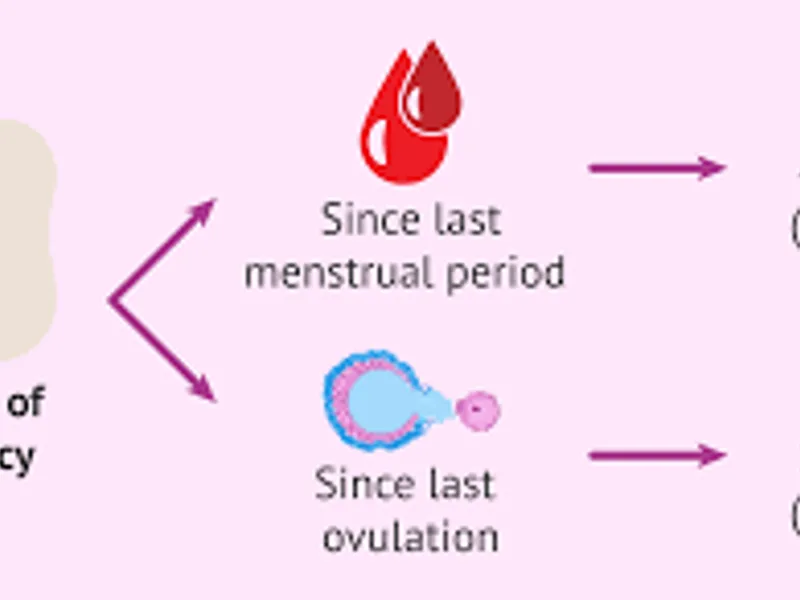
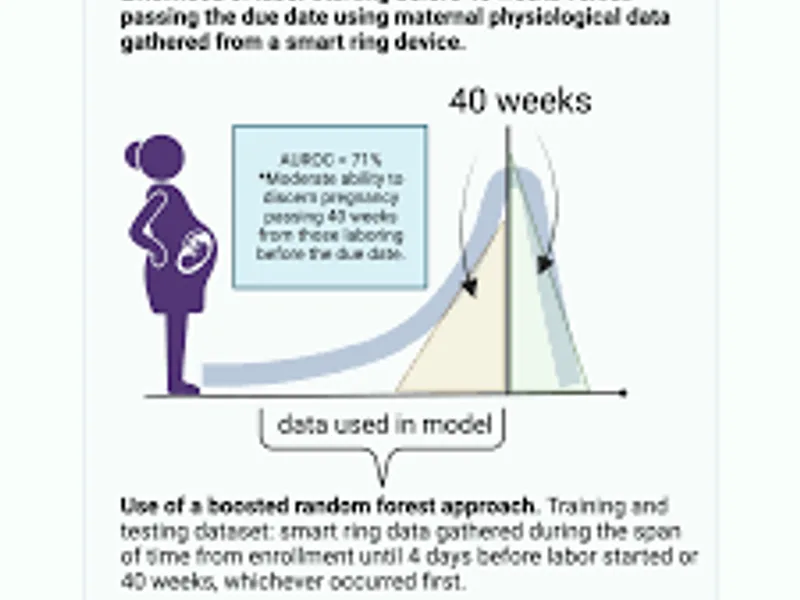
Most people assume the due date is a deadline. It’s not. It’s more like a rough estimate — and honestly, not always an accurate one. In real life, many healthy pregnancies go beyond 40 weeks. Doctors usually start calling it “late-term” after 41 weeks and “post-term” after 42.
From what I’ve seen and heard from obstetricians, a pregnancy can safely continue for about 7–10 days after the due date without much concern, as long as everything is being monitored. That’s the key part people skip over — monitoring.
After 41 weeks, things get a bit more serious. The placenta, which has been doing all the heavy lifting, can start aging. It doesn’t fail suddenly, but it may not work as efficiently. That can affect oxygen and nutrients reaching the baby. Not always. But enough that doctors pay close attention.
And here’s what most guides won’t tell you: the “risk” doesn’t spike overnight. It creeps up gradually. That’s why you’ll notice more frequent check-ups, scans, and heart rate monitoring if you go overdue.
What actually happens if you go past your due date?
This is where things shift from theory to real decisions.
If you cross 40 weeks, your doctor usually doesn’t rush anything. You’re encouraged to wait, stay active, and watch for natural signs of labor. But once you approach 41 weeks, the conversation changes.
You’ll likely be asked to come in more often. They’ll check amniotic fluid levels. They’ll monitor the baby’s heartbeat. Sometimes they’ll do what’s called a “non-stress test,” which sounds scary but really just means tracking how your baby responds to movement.
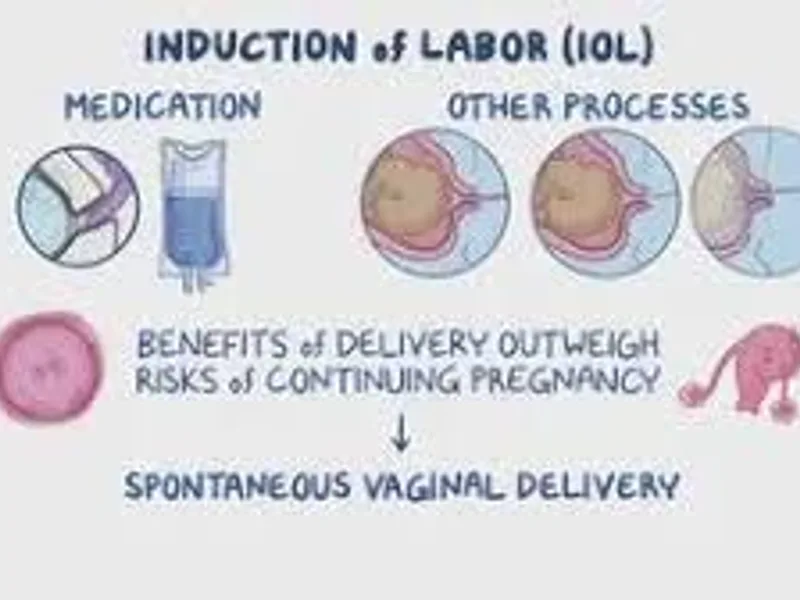
If everything looks good, many doctors will still give you a little more time. But once you get close to 42 weeks, induction often becomes the safer option. Not because something is definitely wrong — but because the chances of complications start outweighing the benefits of waiting.
And yes, induction can feel intimidating. But in most cases, it’s a controlled, well-managed process. The idea isn’t to rush your body. It’s to avoid preventable risks.
The part people don’t talk about enough
Here’s the honest bit: not every overdue pregnancy is risky, and not every early induction is necessary. There’s a grey zone, and it depends heavily on your individual situation — your health, your baby’s condition, even your first-trimester scan accuracy.
I’ve seen people stress themselves out unnecessarily just because they hit 40 weeks and one day. That’s not helpful. But I’ve also seen others delay decisions out of fear of medical intervention, even when doctors were clearly concerned.
That balance is tricky. You’re not just “waiting for labor.” You’re actively deciding how long to wait.
Conclusion
The truth about how long pregnancy can safely continue after due date isn’t a fixed number — it’s a window. A healthy pregnancy can go a bit beyond 40 weeks, often up to 41 weeks safely, with careful monitoring. Beyond that, the margin for error gets thinner.
If there’s one takeaway, it’s this: don’t treat the due date like a finish line, but don’t ignore the signals after it either. Stay informed, stay in touch with your doctor, and trust the process — just not blindly.