I remember a woman in her 39th week telling me, half laughing, half exhausted, “Everyone said I’d be begging for labour to stop… but mine hasn’t even started.” That moment sticks because it’s so common. Reaching full term with no pain or contractions can feel confusing, even a bit worrying. If you’re wondering how to start labour pain naturally, you’re already in that in-between space—ready, impatient, and maybe a little anxious. The good news? Your body usually knows what it’s doing. But yes, there are a few things that can gently nudge it along.
So… is it normal to have no labour pain at 9 months?
Short answer: yes, more often than people admit.
Most due dates aren’t exact deadlines. They’re estimates. In fact, many healthy pregnancies go up to 40–41 weeks without any dramatic signs. No pain doesn’t mean something is wrong. It usually just means your body isn’t ready yet.
What nobody mentions is how quietly labour can begin. You might expect movie-style contractions, but early labour can feel like mild cramps, backache, or just a strange heaviness. Easy to miss. I’ve seen women come in thinking nothing’s happening, and they’re already a few centimetres dilated.
That said, if you’ve crossed your due date or you’re close, it’s natural to start thinking about ways to induce labour naturally. Just keep one thing in mind—these methods don’t “force” labour. They only encourage a body that’s already preparing.
What actually helps to start labour pain naturally
Let’s skip the myths and talk about what tends to work in real life.
Walking is probably the simplest and most underrated thing. Not power walking. Just slow, steady movement. It helps your baby move down, puts gentle pressure on your cervix, and can trigger contractions. Even 20–30 minutes a day makes a difference.
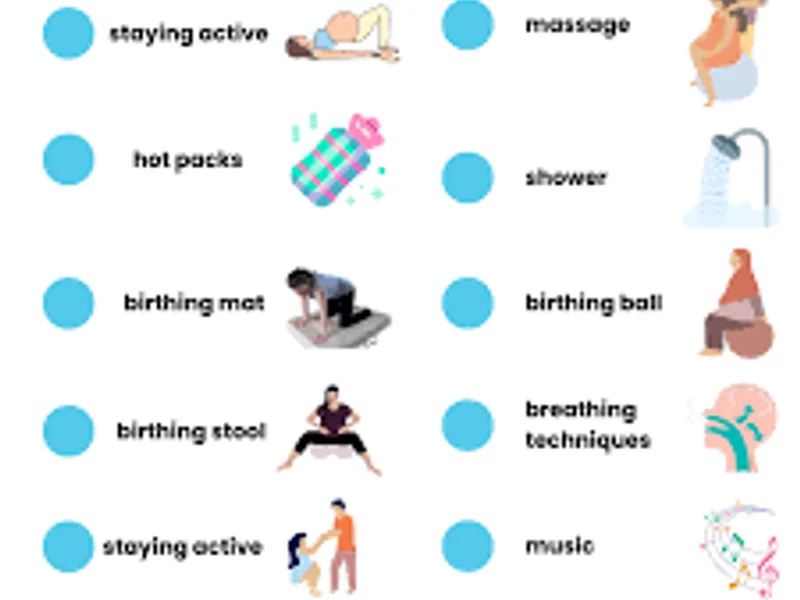
Then there’s staying upright. Sitting on a birthing ball, doing light household movement, or even just avoiding lying down all day can help gravity do its job.
Many people talk about nipple stimulation—and yes, there’s some logic behind it. It releases oxytocin, the hormone that triggers contractions. But you have to be careful. Too much, too fast, and it can cause very strong contractions. Always check with your doctor before trying this.
Sex is another one that comes up often. It’s not a magic switch, but semen contains prostaglandins, which can soften the cervix. Plus, orgasm can stimulate uterine activity. Sounds awkward to discuss, but it’s part of the conversation for a reason.
And hydration matters more than you’d think. Dehydration can actually slow down contractions. So drink water. Regularly.
What people try… but doesn’t always work (or needs caution)
Here’s where things get messy.
You’ll hear about castor oil, spicy food, herbal remedies—honestly, I’d be careful. Castor oil especially can cause severe stomach cramps and dehydration. I’ve seen cases where it created more distress than progress.
Spicy food? It might upset your stomach, but there’s no strong evidence it starts labour.
Some traditional methods passed down through families can be harmless, but others aren’t. And when you’re this close to delivery, it’s not the time to experiment blindly.
The reality is simple. If your cervix isn’t ready, no home remedy will magically change that overnight.
When to stop waiting and talk to your doctor
This part matters more than all the tips combined.
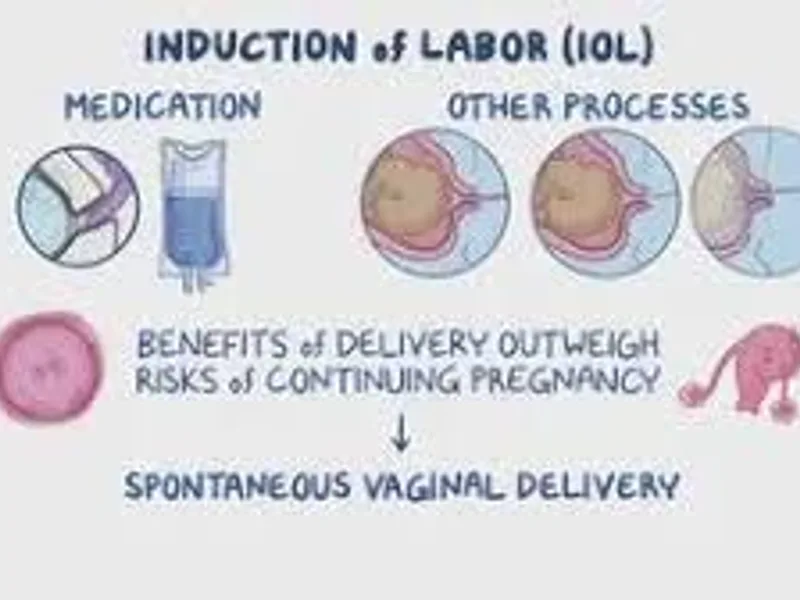
If you’ve crossed 40 weeks, your doctor will usually start monitoring you more closely. Around 41 weeks, many recommend medical induction depending on your condition.
Also, don’t ignore signs like reduced baby movement, unusual discharge, or severe discomfort. Those aren’t “wait and see” situations.
Natural methods are fine—but only when everything is low-risk and normal.
Conclusion
Reaching the end of pregnancy without labour pain can test your patience in ways you didn’t expect. You’ve done everything right, and still—nothing. That’s frustrating. But your body isn’t stuck; it’s just on its own timeline. Gentle movement, staying relaxed, and a bit of patience usually go further than aggressive tricks. If you’re trying to figure out how to start labour pain naturally, think of it less as forcing the process and more as supporting it. Sometimes, the hardest part is simply letting it begin.